










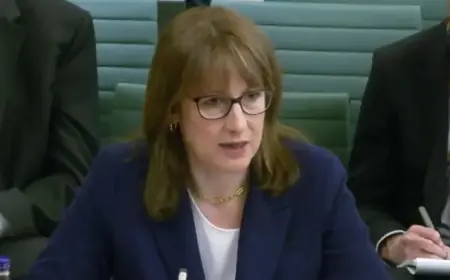














Uk Government Budget Surplus of £30.4bn in January hands Reeves a surprise boost


The uk government budget surplus reached £30. 4bn in January, the largest monthly total since records began in 1993, giving Chancellor Rachel Reeves a clear fiscal uplift ahead of her 3 March Spring Statement.
Uk Government Budget Surplus driven by a spike in capital gains tax
The Office for National Statistics said tax receipts in January totalled £133. 3bn, 13. 8% higher than the previous January, and that a near £17bn haul from capital gains tax was a major factor in the £30. 4bn surplus. Jason Hollands, managing director at Evelyn Partners, said the near-£17bn capital gains tax figure reflected investors disposing of assets ahead of an expected tax rise introduced in the October 2024 Budget.
Self-assessment and income tax pushed receipts higher
January is typically the month when self-assessed tax payments arrive, and this year self-assessment and higher income tax receipts widened the gap between income and spending: income tax brought in £3. 6bn more than last January, while National Insurance contributions rose by £2. 9bn in the month. Analysts had expected a surplus nearer £23. 8bn, but the £30. 4bn outcome nearly doubled last January's £15. 4bn figure.
The surplus also exceeded an Office for Budget Responsibility forecast of about £24bn for the month, and Chief Secretary to the Treasury James Murray highlighted the wider fiscal context, saying the government will work to reduce borrowing so more money can go to policing, schools and the NHS. Paul Dales, chief UK economist at Capital Economics, said the big reduction in public borrowing and a surge in retail sales in January suggested the year had started in a healthier position.
Borrowing, the wider fiscal picture and what comes next
While borrowing in the 10 months to January was £112. 1bn — 11. 5% lower than the same period a year earlier — the Office for National Statistics noted it remained among the higher totals for that stretch. HM Treasury has forecast borrowing for 2026 as "the lowest since before the pandemic, " but economists cautioned that slow wage growth and weak broader economic momentum left public finances "finely balanced. "
Grant Fitzner, chief economist at the ONS, said January saw the highest surplus since monthly records began because revenue rose strongly while spending was little changed, with lower debt interest payments largely offsetting higher costs on public services and benefits. Martin Beck and other commentators referenced the remaining budget challenges even with the record monthly figure.
The immediate consequence of the January numbers is political as well as fiscal: the surplus gives Chancellor Rachel Reeves a concrete figure to cite at the Spring Statement on 3 March, and it reduces the gap between current borrowing and forecasts for the financial year. Policymakers will still watch next month's wider fiscal and economic data to see whether the January surge represents a sustained improvement or a one-off seasonal peak.