

















Lord Of The Rings The Hunt For Gollum could reshape the franchise — Aragorn leads while Gollum becomes the psychological center

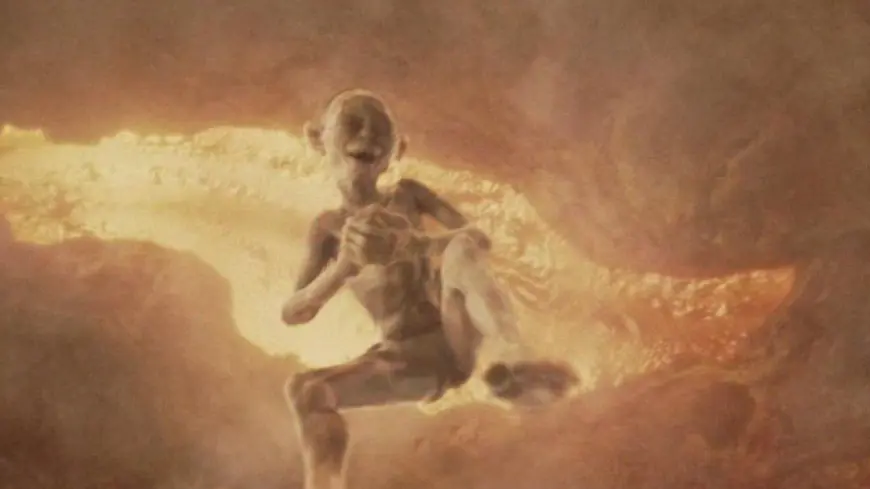
If this new framing holds, lord of the rings the hunt for gollum will redirect the franchise’s priorities: the ranger Aragorn takes primary responsibility for tracking Gollum while the creature’s backstory turns into the emotional engine. That shift from wizard-in-the-field to mission-controller and from fragmentary lore to a character-driven origin story changes the sort of movie this is and raises immediate questions about tone, audience appetite, and how far the franchise can expand.
Lord Of The Rings The Hunt For Gollum redraws the franchise’s center — consequences for tone and scope
The creative choices mentioned in recent coverage point to two clear consequences. First, the narrative point of gravity moves from an ensemble mythic sweep toward a tightly focused psychological study. One of the film’s writers describes the project as carrying a strong interior story; the production notes also emphasize the physical, performed aspect of the lead creature. Second, the onscreen role of the established wizard character is being adjusted so he directs from the sidelines while Aragorn handles the boots-on-the-ground search. Those choices together reframe the movie as both an origin piece and a character test for a future king.
Here’s the part that matters for fans and the franchise: the creative team behind the original trilogy is credited with writing and producing this film, and a familiar actor has moved into the director’s chair. That alignment signals a deliberate attempt to tie the new film to the earlier movies while trying a different narrative approach.
- The project foregrounds Sméagol/Gollum’s early arc, treating it like an origin story rather than a brief backstory fragment.
- Aragorn is presented as the active lead in the hunt, with the wizard advising from a distance rather than leading the search.
- The film is being directed by the performer long associated with the creature and keeps a heavy emphasis on motion-captured physical performance.
- This combination of psychological focus and physical performance suggests a hybrid: part intimate character study, part adventure quest.
What’s easy to miss is that framing the tale as a psychological origin raises immediate production stakes: a Gollum-centered plot demands sustained interiority and technical fidelity in performance capture to sell the character’s transformation without relying only on spectacle.
Event details embedded: what’s been revealed about the film and its approach
The synopsis that circulated describes a pre-Fellowship period in which a young Sméagol—drawn to trinkets and mischief—leaves his cave after the Ring is lost, prompting a search that could determine Middle-earth’s balance. The hunt is led by Aragorn, summoned to find the creature whose knowledge might point to the Ring, while the wizard remains a directing presence rather than the field leader. The creative credits listed link the project to the original trilogy’s team: the film is directed by the actor who built the role of Gollum on screen, produced by a principal producer from the earlier films, and written and produced by two writers from the original trilogy’s team.
The film is slated for release on December 17, 2027. Commentary from the writing team frames the story as both adventure and a warm, inward-facing psychological arc; production anecdotes emphasize that the director remains physically involved in performance work on the mo-cap stage despite the different directorial responsibilities.
The real question now is whether that dual aim—deep psychological exploration plus an Aragorn-led quest—will satisfy audiences who expect either sweeping mythic drama or tight character portraiture, and whether expanding a minor mention from the original works into a full-length origin will feel enriching or excessive.
Key signals to watch for that could confirm this approach include how the film balances screen time between the hunt and internal scenes for Sméagol, and how the performance capture is used to convey psychological fragmentation rather than spectacle alone. Recent comments from the creative team make clear the project intends to be both physically exacting and interiorly focused, but details about execution remain limited.
What follows next for the franchise will depend less on branding and more on whether this tonal gamble lands: does a Gollum-origin story deepen the mythos or stretch it thin? That determination will emerge as marketing materials, early footage, and critical reaction begin to reveal how tightly this new film threads its psychological and adventure elements.
It’s worth noting that details may evolve as the film progresses toward release.
What’s easy to miss is how a simple change in who leads the hunt shifts the film’s entire narrative promise.