



















Youth Hockey Team Draws Inspiration From Hilary Knight After U.S. Women's Olympic Gold

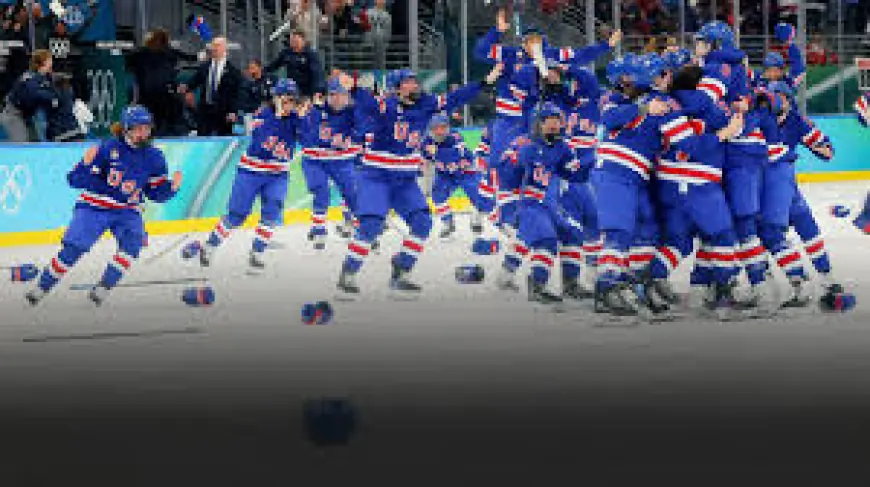
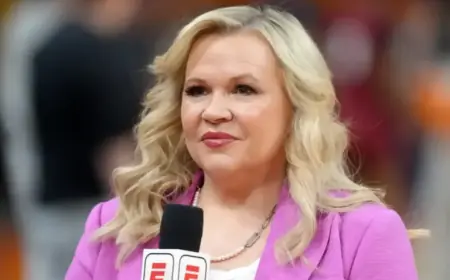
hilary knight and Megan Keller are prominent names in recent headlines about the U. S. women's hockey team's gold-medal win at the 2026 Winter Olympics, a result that youth coach Andy Mandel and his team publicly reacted to during a morning television segment. The display of leadership and a last-minute goal have become touchpoints for younger players seeking a roadmap to elite performance.
What happened and what’s new
The U. S. women's hockey team secured the Olympic gold at the 2026 Winter Olympics, with headlines highlighting an overtime goal that decided the final and pointing to a rally led by hilary knight and Megan Keller. Youth hockey coach Andy Mandel and his team joined a national morning television segment to react to the victory and described the outcome as a spur for local development and inspiration.
Hilary Knight: behind the headline
Headlines positioned hilary knight alongside a teammate as central figures in the U. S. comeback and ultimate victory. That framing has immediate resonance for youth programs: coaches see high‑profile leadership moments as teachable examples for preparation, resilience and situational decision‑making.
- Context: The Olympic gold finish and a decisive overtime goal are now part of a narrative youth teams are using to motivate players.
- Incentives and constraints: At the youth level, the incentive is to translate elite examples into practice habits; constraints include differing resources, seasonal schedules and the gap between elite international play and local programs.
- Stakeholders: Young players who seek role models; coaches like Andy Mandel who curate motivational material; and organizers whose programs may see increased interest after high‑profile wins.
- Consistent elements: Multiple public items highlighted the overtime goal and leadership by hilary knight and another key player, and documented youth team reactions on a morning broadcast.
What we still don’t know
- Exact details of the on‑ice sequence that produced the overtime goal beyond that it decided the final.
- How long or in what specific ways local youth programs will change training or enrollment following the Olympic outcome.
- Any formal plans by national or local governing bodies to capitalize on the gold medal for development initiatives.
- Specific comments from hilary knight or Megan Keller beyond their inclusion in headline coverage.
What happens next
- Increased local engagement: Youth programs could see a short‑term rise in interest and inquiries, triggered by the Olympic win and the visibility of role models.
- Programmatic emphasis on leadership: Coaches may incorporate situational drills and leadership training drawing on the comeback narrative; the trigger would be coaching staff meetings or offseason planning sessions.
- Media and motivational usage: Teams and organizers might feature clips or summaries of the Olympic final in outreach and camps; uptake will depend on access to broadcast highlights and licensing arrangements.
- Assessment and follow‑through: Some programs may pilot targeted clinics inspired by the gold‑medal team; expansion beyond pilots will hinge on enrollment and budget decisions.
Why it matters
The Olympic outcome provides a visible example of elite performance that youth coaches can use to frame goals and expectations. For players, seeing hilary knight and teammates positioned as leaders in a championship moment offers a concrete model of resilience and impact in high‑pressure situations. Near term, the most tangible effects will be motivational: shifts in practice focus, talk of leadership roles, and potential short‑term spikes in interest among young skaters. Over time, persistent attention could translate into program changes if organizers commit resources to capitalize on the momentum.
While the narrative momentum is clear, concrete programmatic shifts will depend on decisions by coaches and organizers who must weigh resources and priorities against the opportunity created by the Olympic gold.