















Hilary Knight and Megan Keller’s Olympic rally: why U.S. gold is already reshaping youth hockey practice and coaching

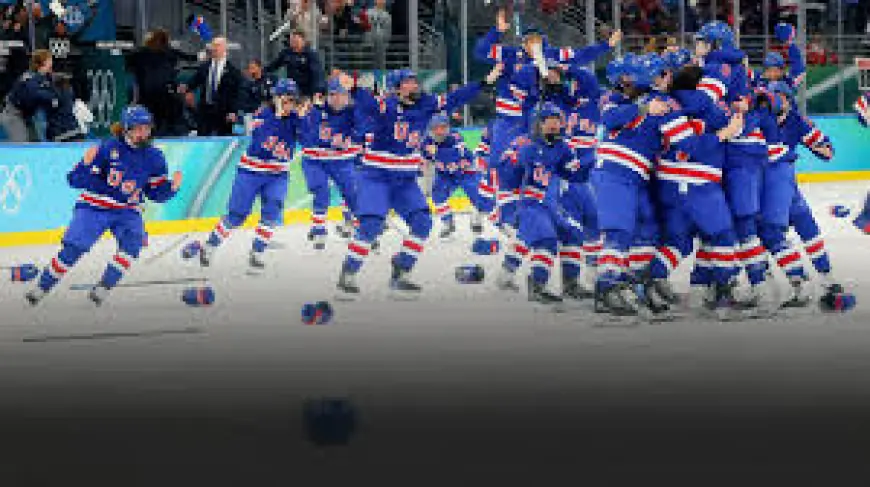
The image of hilary knight redirecting a late point shot to force overtime — followed by Megan Keller’s overtime winner — matters first and most to youth hockey coaches and players looking for a concrete playbook. This comeback frames teaching moments about leadership under pressure, bold offensive choices in 3-on-3, and the value of situational practice that younger teams can copy in drills and game plans.
Hilary Knight’s tying goal reframes late-game teaching moments for coaches
Here’s the part that matters: coaching at the youth level often focuses on structure and safety; the U. S. rally highlights how to coach purposeful risk when trailing late. Teams and coaches reacting publicly after the gold-medal game singled out the captain’s decision to get to the front of the net and convert a point rocket — a simple, high-impact play that can be rehearsed in practice.
Coaches can translate this into actionable lesson plans: timed pull-the-goalie scrimmages, point-shot execution with traffic in front, and decision drills that prioritize net presence. If you're wondering why this keeps coming up among youth programs, it’s because the sequence compresses several teachable skills into one short clip: communication, situational positioning, and finishing under pressure.
What’s easy to miss is the role of pre-planned structure: the team earned the attacking faceoff, the point shot was available, and the captain’s instinct to occupy the crease turned offense into a goal. Those are reproducible practice outcomes — not only instincts.
Game snapshot and specific plays that youth teams are copying
Rather than a play-by-play, focus on three high-value elements youth programs are adopting from the match:
- Pulling the goalie to create a high-pressure attacking zone and train faceoff-winning under time crunch.
- Point-shot scenarios with practiced deflections and forwards rehearsing net-front presence.
- 3-on-3 overtime strategy that rewards aggressive attacking and creative one-on-one attempts rather than conservative puck protection.
The final sequence that decided gold began with a late attacking zone faceoff, a point blast redirected by the captain to tie the game, and an overtime finish created by a length-of-the-ice pass leading to a skilled individual move and a one-on-one conversion. Coaches and youth teams are isolating each of those moments into short, repeatable drills.
- Key takeaways for practices and small-sided games:
- Run 3-on-3/4-on-4 drills that reward risk-taking and quick transitions.
- Practice point-shot + front-of-net redirection scenarios with timed pressure on the puck carrier.
- Teach quick-change communication for late-game pulling of the goalie and goalie-replacement drills.
- Include one-on-one attack drills to build the confidence needed for decisive moves in overtime-style play.
Youth coach Andy Mandel and his team joining a national morning show to react underscores how quickly clubs seize on a single game as a curriculum prompt; this gold-medal sequence is already being folded into offseason plans. The real question now is whether programs make these elements permanent parts of practice culture or only temporary highlight-reel drills.
Longer-term signals to watch for: increased use of 3-on-3 formats in local tournaments, a rise in net-front deflection drills at camps, and coaches prioritizing late-game situational reps. None of those shifts need national mandates — they can start with one coach deciding to teach the play the way the national captain executed it.
Micro timeline (simple, practice-focused):
- Late attacking-zone faceoff leads to a point shot.
- Captain redirects the shot to tie the game and force overtime.
- Overtime play opens with a stretch pass, an individual move, and a one-on-one finish for the win.
The bigger signal here is how an elite-level late-game sequence becomes a tactical template for development at lower levels almost immediately. For youth hockey, the lesson is practical: teach the moments that win games, not just the moments that avoid mistakes.
Writer’s aside: Coaches will be tempted to copy the highlight; the smarter move is to break it into drills that match your team’s skill level rather than trying to replicate pro-level speed overnight.