





















Greens win Stoneygate seat from Labour as Stoneygate Leicester Council By Election spotlights hustings no-shows and local scrutiny

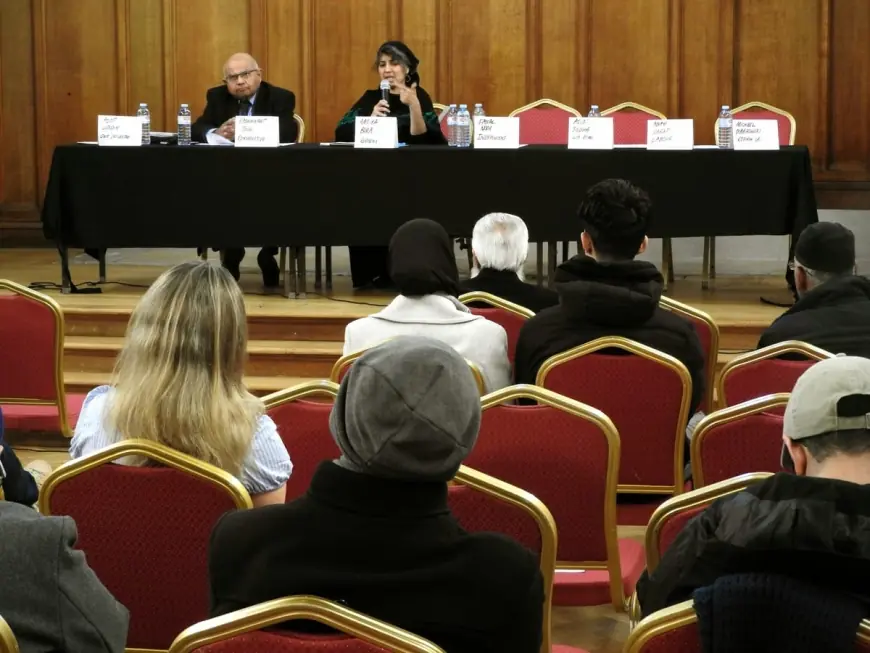
The Stoneygate Leicester Council By Election delivered a seat gain for the Green Party and intensified discussion about candidate engagement after a pre-election hustings was attended by only two of the eight standing candidates. The outcome shifts one ward seat and has prompted local organisers and residents to question how prospective councillors engage with voters.
Stoneygate Leicester Council By Election — what happened and what’s new
Green candidate Aasiya Bora won the contest for the Stoneygate ward, securing 1, 195 votes and finishing ahead of the Labour candidate Adam Sabat, who took 1, 089 votes. The result increases the Green representation on the city council to four seats.
The seat had been vacant following the death of long-serving Labour councillor Manjula Sood in December at the age of 80. Sood had served the city for many years and was noted for becoming the first female Asian lord mayor in the UK during her career.
Eight candidates were listed for the by-election. Other named candidates included Asif Udin, who placed third; a Conservative candidate identified in accounts with slightly different spellings; an independent candidate Faisal Noor; and Liberal Democrat Asit Sodha, who finished narrowly ahead of another independent candidate, Michael Barker. One account lists the city council as controlled by Labour with 30 of 54 seats; other accounts list Labour with 31 of 54 seats, a discrepancy that is not clarified in the available material. The city’s elected mayor is Peter Soulsby.
Behind the headline
What transpired on the ground combined a close vote in Stoneygate with a separate local controversy over candidate availability at a community hustings. The Green victor described the campaign as positive and said the result reflected a substantial swing in voter preference, citing a 22% swing in the ward.
A community organisation convened a nonpartisan hustings ahead of polling with the intention of giving residents a chance to question the candidates. Only two candidates attended that public event: the Green candidate and the Conservative candidate. Several others did not appear; explanations in the available accounts range from last-minute unforeseen circumstances to an assertion by one campaign team that they were unaware the hustings would take place. One party sent a family member in place of its candidate.
Organisers and some attendees expressed concern that the absences signalled a reluctance to face public scrutiny. During the hustings, discussion ranged from local services to international issues, and one audience member publicly challenged the Conservative candidate’s phrasing on the subject of Gaza, insisting stronger language was needed.
What we still don’t know
- Precise turnout figures for the by-election are not provided in the available material.
- There is an unresolved discrepancy in accounts over the exact current party seat totals on the council (one account lists Labour with 30 seats, another with 31).
- The Conservative candidate’s name appears with differing spellings across accounts; that inconsistency is not clarified in the material.
- Detailed explanations for each candidate’s absence from the hustings are incomplete; some campaigns cited unforeseen issues while one campaign said it was not aware of the event.
- The timetable for the winner’s formal induction to the council is not specified in the available information.
What happens next
- Green group participation: The newly elected councillor is expected to join the Green group on the council and to work with allies. Trigger: formal swearing-in and first appearance at a council meeting.
- Local scrutiny of candidate engagement: Community organisers may press parties to ensure fuller participation at future hustings and public events. Trigger: follow-up community meetings or public statements from party branches.
- Internal party responses: Parties with absent candidates may review their local campaign processes in response to criticism about no-shows. Trigger: internal debriefs or public responses from party representatives.
- Ward representation and priorities: The new councillor will set local priorities and pursue casework in the ward, with scope to collaborate across groups. Trigger: publication of the councillor’s local priorities or ward action plan.
Why it matters
The by-election changes the composition of the council by one seat, increasing Green presence while Labour retains overall control of the authority. For residents of Stoneygate, the result brings a new councillor who has signalled intent to work with the Green group and other allies. Separately, the low turnout of candidates at a public hustings has fuelled local debate about democratic accountability and how candidates engage with constituents in the run-up to elections. Near-term implications include heightened attention on how parties manage local campaigns and how community forums are organised to secure broader participation.