














Punch The Monkey: Abandoned Baby Macaque Finds Comfort and Fans

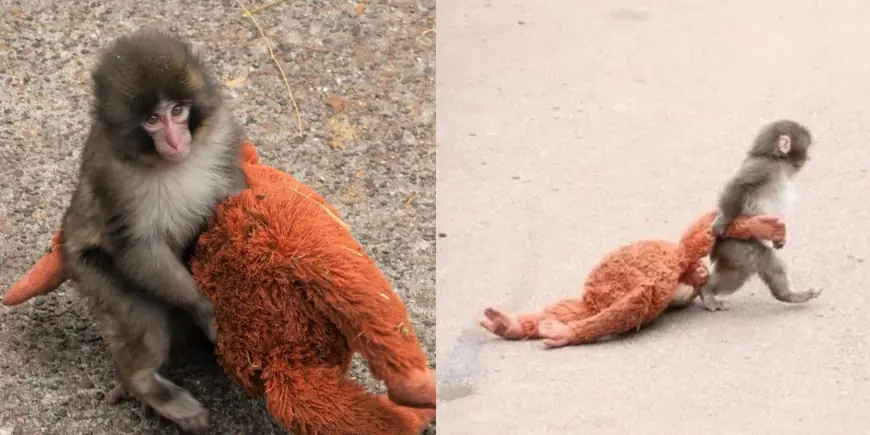
The Ichikawa City Zoo’s six-month-old macaque, known online as punch the monkey, has moved from isolation to a surge of public attention after the zoo posted his life story and photographs on its social account. The images and clips captured immediate sympathy, sparked adoption requests and prompted outside help that appears to be improving his prospects.
Punch The Monkey's viral moment
Photos and short videos showing the infant macaque alone with a stuffed orangutan toy and the zoo’s keepers drew wide engagement and emotional reactions. Footage shared by the zoo included tender scenes of the baby clutching the plush toy and walking around the enclosure, as well as a distressing clip of another monkey pushing him away. Some observers questioned the images’ authenticity, while others turned them into reaction memes that spread rapidly online. The zoo’s post asked visitors to “Please watch over Punch’s growth with warm support, ” a message that helped fuel the global response.
Recovery and social steps for punch the monkey
Local staff say the youngster was rejected by his mother at birth and initially relied on human caregivers and the stuffed toy for comfort. After the public reaction, several interventions arrived: adoption requests poured in and brands tied to the viral moment supplied help. The maker of the baby’s favorite plush sent additional toys to the zoo, and zoo footage later showed the macaque being hugged by a peer and receiving his first grooming from another monkey. Those clips eased concerns that he would remain isolated, though some commentators noted that the new attention has prompted lighthearted accusations that others are seeking association with the enclosure’s newfound celebrity.
Next steps and public interest
Visitor numbers have risen, with images showing lines of fans waiting to see the macaque in person. That influx and the donations of plush toys are concrete indicators of ongoing public interest. If visitor attention and offers of help continue, the zoo will likely need to manage increased foot traffic while balancing the young macaque’s social integration with his peers. Officials have not announced a formal adoption plan or long-term changes to his care that are publicly confirmed; the available updates focus on short-term comforts and evidence of emerging bonding with other monkeys.
Observers and the zoo’s posts have framed the episode as a reminder that early isolation can be mitigated when a community responds. For now, the macaque’s most visible signs of progress are the additional soft toys, the peer grooming clip and the growing number of visitors who have come to check on his wellbeing. Those developments offer a cautious, observable basis for optimism about the infant’s near-term prospects.