























Bloomington Tornado: Severe weather leaves its mark as tornado watch was extended across central Indiana then expired

Reports of a bloomington tornado included damage at the Monroe County Airport and to some homes and businesses, as a tornado watch that had been extended across much of central Indiana later expired. The developments matter because the region saw multiple warnings and watch-area adjustments on the same day, underscoring a period of concentrated severe weather activity.
What happened and what’s new
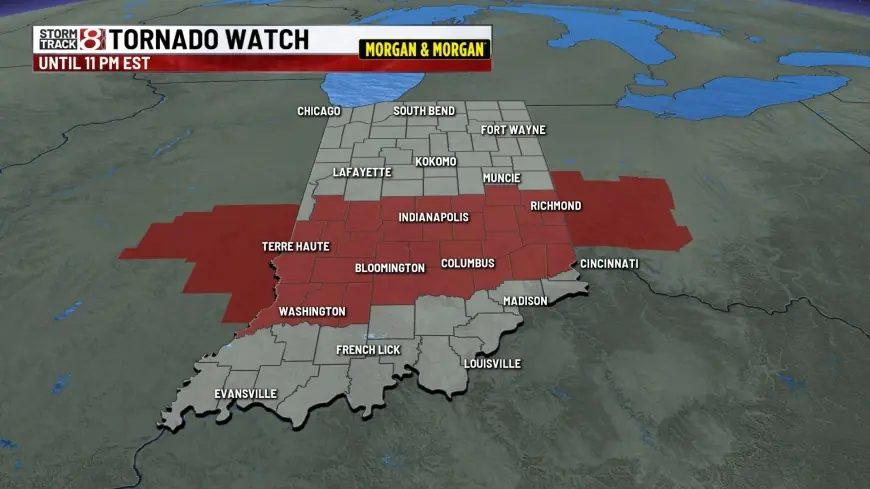
A tornado watch that had been expected to end at 9: 00 p. m. ET was extended to 11: 00 p. m. ET before ultimately expiring later that evening. The extended watch area encompassed Indianapolis and a wide swath of counties across central and southern Indiana, with parts of Kentucky and Illinois also included in the broader watch area earlier in the day.
Tornado damage was reported in Bloomington at the Monroe County Airport and to some homes and businesses. Separately, emergency management in Sullivan County reported damage to homes and to cars caused by fallen trees. At least a dozen tornado warnings were issued in the state during the period of severe weather activity.
Watch-area adjustments occurred through the afternoon and evening: the initial watch was issued shortly after noon ET, several counties near Indianapolis were added shortly after 4: 20 p. m. ET, and Indianapolis and additional counties were added about 6: 21 p. m. ET. A small number of counties along the Ohio River were removed from the watch area as of 6: 21 p. m. ET.
Bloomington Tornado — Behind the headline
The sequence of extensions, additions and removals in the watch area reflects a dynamic threat environment across much of the state. Local emergency management entities relayed damage assessments for their jurisdictions, and multiple tornado warnings were issued as storms moved through.
Stakeholders named in assessments and watch notices include residents and business owners in affected counties, operators at the Monroe County Airport, county emergency management offices that noted damage, and the regional agencies responsible for issuing watches and warnings. Those groups have direct responsibilities for immediate response, damage assessment and public safety communications.
What we still don’t know
- Comprehensive casualty or injury counts for Bloomington and the wider watch area remain unconfirmed.
- The full extent and dollar value of damage to the Monroe County Airport, homes and businesses has not been released.
- Detailed maps tying specific warnings to verified ground damage have not been published.
- Timing and scope of cleanup or recovery operations in affected counties have not been provided.
What happens next
- Official damage assessments and briefings: Local emergency management and aviation authorities will complete initial surveys and may issue formal statements when assessments are available.
- Cleanup and restoration: Utility and public works crews will likely prioritize clearing fallen trees and making roads passable in affected communities.
- Follow-up watches or warnings if storms redevelop: Weather authorities could issue additional notices if conditions warrant further alerts.
- Insurance and repairs: Property owners will begin filing claims and arranging repairs as assessments are finalized.
- After-action reviews: Local agencies may conduct reviews of warning performance and public communication once the immediate response phase ends.
Why it matters
The bloomington tornado reports and the broader pattern of watches and warnings had immediate implications for public safety, transportation and local infrastructure. Damage at a regional airport can disrupt operations and recovery timelines, while damage to homes and vehicles affects residents’ short-term shelter and mobility. The concentrated issuance of warnings and the extension of a statewide watch window indicate a period during which many communities faced heightened risk and emergency-management resources were mobilized.
Near-term implications include the need for coordinated damage assessment, prioritized restoration of critical services, and clear public information about recovery timelines and safety precautions. Monitoring official updates from county emergency management offices and regional weather authorities will be essential to understanding the evolving situation.