

























Caleb Flynn name central as a Tipp City household, school and two children absorb immediate shock of fatal home invasion

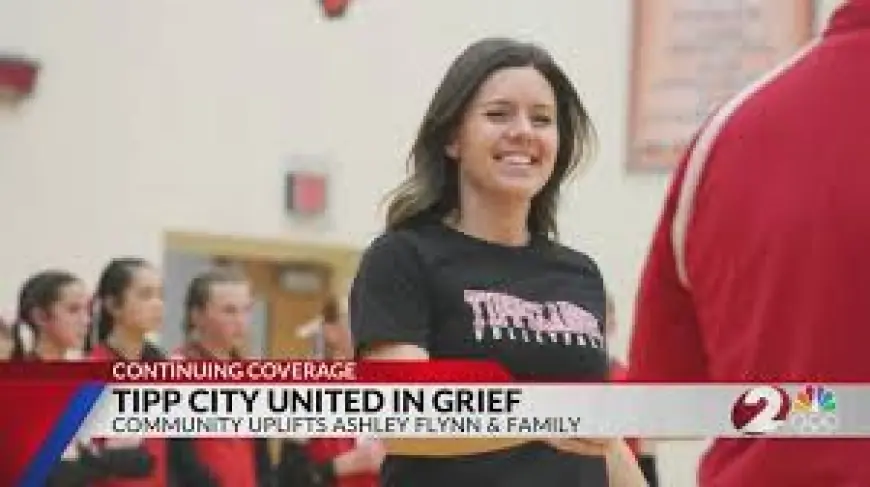
The people most immediately affected are the two children who were asleep in the house, neighbors who woke to an emergency response, and students who knew the teacher. The case places caleb flynn and his family at the center of a homicide investigation that law enforcement has called an isolated, targeted attack, and it is changing how the local community thinks about safety and school support in real time.
Immediate impact on the Flynn family, the children and the local school community — Caleb Flynn connected to the scene
Here’s the part that matters: the household consequences are both personal and procedural. Parents, siblings, classmates and school staff are now coping with the loss of a substitute teacher and coach while investigators secure the scene and collect evidence. The two juveniles who were in the home were described as asleep in their separate rooms during the incident; family members were involved in the initial 911 contact that led officers to the residence.
What’s easy to miss is that law enforcement expressly rejected early public claims that an arrest and confession had already occurred, underscoring uncertainty around many circulating details and the department’s intent to resolve the case through the criminal justice system rather than in public discussion.
Scene and investigation details
Police dispatch logs show an early-morning call for a burglary at the Flynn residence, with a dispatcher noting a garage door open and a female inside who was not responding after a gunshot. The husband made the 911 call that alerted officers. Investigators say only the homeowner, the husband, and the two children were in the house when the break-in was reported.
- Emergency responders were dispatched and prepared to enter; initial messages referenced a single person on scene for first responders.
- At least one autopsy has been completed as part of a homicide investigation.
- Multiple investigative partners are assisting local police; officials described the event as targeting the specific residence and stated there is no information suggesting a broader public threat.
A brief timeline embedded in the reporting:
• Early morning, Monday: dispatch records show a burglary call for the Flynn home and officers respond.
• Monday: investigators identify the victim and confirm two children and the husband were in the home; the husband made the 911 call.
• Thursday: police leadership pushed back on claims of an arrest or confession; the investigation continued with assistance from other agencies and an autopsy was completed.
Public updates so far emphasize process over publicity: the department has said it will pursue answers through the courts rather than the media, and has cautioned that some social posts and early claims are inaccurate.
For readers wondering who is affected beyond the immediate household: the school community where the victim worked will face the short-term practical challenges of replacing teaching and coaching duties and the longer emotional work of supporting students and staff. Neighbors and local parents are likely to reassess safety practices at home in the days after a widely publicized violent incident like this.
A useful signal of how the case will move next would be formal criminal filings or a publicly confirmed arrest, along with any release of forensic findings that clarify the sequence of events. Those developments would shift the story from investigation to prosecution and give clearer answers to the family and community.
The real question now is how quickly investigators can translate evidence into a public case while protecting the integrity of the probe and the privacy of the children involved. Expect official bulletins from law enforcement to be the primary reliable updates as the inquiry continues.
The bigger signal here is that officials are treating this as an isolated, targeted attack on a single residence rather than a random threat to the public; that framing affects both resource allocation and community messaging.