























Keely Hodgkinson breaks long-standing indoor 800m world record in Lievin

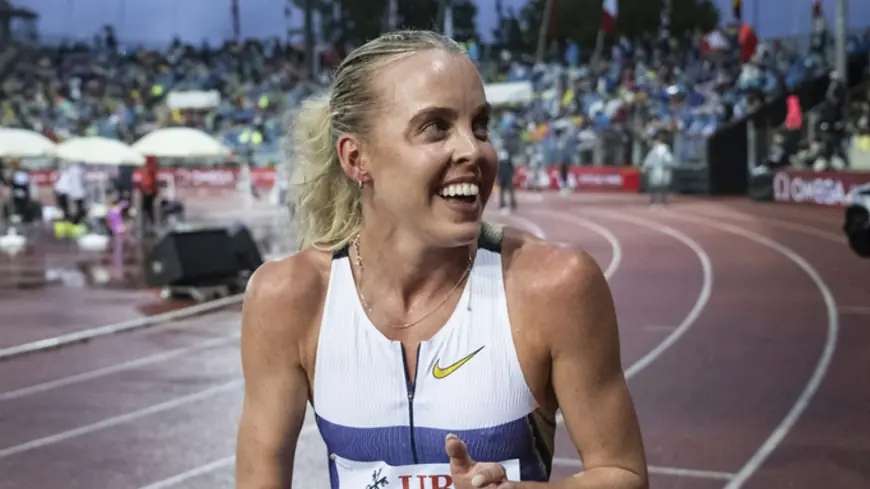
Keely Hodgkinson has shattered the women's indoor 800m world record, crossing the line in 1: 54. 87 in Lievin, France, a performance that resets a near-24-year benchmark and follows a national mark she set days earlier.
Keely Hodgkinson: What happened and what’s new
The 23-year-old Olympic champion completed the indoor 800m in one minute 54. 87 seconds in Lievin, taking nearly a full second off the previous record of 1: 55. 82 set on 3 March 2002. The record-breaking run came five days after Hodgkinson lowered the British 800m record at the UK Indoor Championships in Birmingham. She passed 400 metres in 55. 56 seconds, with a designated pacemaker assigned to hit a 55. 8-second halfway split, then pushed clear and maintained the pace to the finish.
Hodgkinson shared an immediate emotional response trackside, and was later adorned with ceremonial recognition. The performance moved her to the very top of the indoor all-time list, displacing earlier times that had stood for more than two decades.
Behind the headline
This achievement arrives after a period of physical setbacks and purposeful preparation. Hodgkinson had targeted the indoor record previously at an event bearing her name, plans that were interrupted by serious hamstring injuries in the season that followed. Recovery and gym-focused strength work preceded a return to competition that included a podium finish late last year after a prolonged gap before racing as the reigning Olympic champion.
Key actors in the immediate performance include the assigned pacemaker who set the opening tempo, rival athletes who shared the start line and assisted the rhythm of the race, and Hodgkinson’s coaching and support team present at the meet. The record also alters the competitive landscape of the event, replacing a long-standing benchmark that had been subject to controversy in the past because some athletes connected to that era later served doping bans.
What we still don’t know
- Exact schedule for Hodgkinson’s next races this season.
- Whether the athlete intends to target specific upcoming championships or to defend national marks.
- Details on any long-term training adjustments made since the hamstring injuries beyond references to increased strength and gym work.
- Official confirmation on any changes in pacemaking or technology use beyond the wavelight pacing present at this event.
What happens next
- Consolidation and paced competition: Hodgkinson continues to build through indoor and early-season races to maintain form; a trigger would be entries in upcoming indoor meetings or championships.
- Targeting major championships: the athlete shifts focus to major outdoor or global championship goals later in the season; a trigger would be formal season targets announced by her team.
- Conservative management: with a history of hamstring tears, her team could prioritise limited racing and reinforced recovery protocols; a trigger would be medical guidance or adjusted race entries.
- Record validation and legacy discussion: given the previous controversies around the long-standing mark, there may be renewed attention on the integrity of the event and the record’s place in the all-time lists; a trigger would be official reviews or commentary from governing bodies.
Why it matters
The new indoor world record reshuffles historical rankings in the women’s 800m and highlights the athlete’s return to top form following injury interruptions. For competitors, it raises the performance standard and alters tactical considerations for future races that may seek similar pacing setups. For the sport, the achievement replaces a record that had stood for nearly 24 years and that carried its own controversies, offering a fresh benchmark set under current competition conditions.
Near-term implications include increased attention on Hodgkinson’s programme and selections for major meetings, potential commercial and sporting recognition tied to holding a world record in a championship event, and heightened spectator interest in middle-distance races where pacemaking and controlled tempo can produce landmark times.
This article is based solely on the confirmed details from the event in Lievin and recent indoor championship performances.