






















Kaori Sakamoto’s silver finish after a tearful final skate reshapes the moment for the women’s field

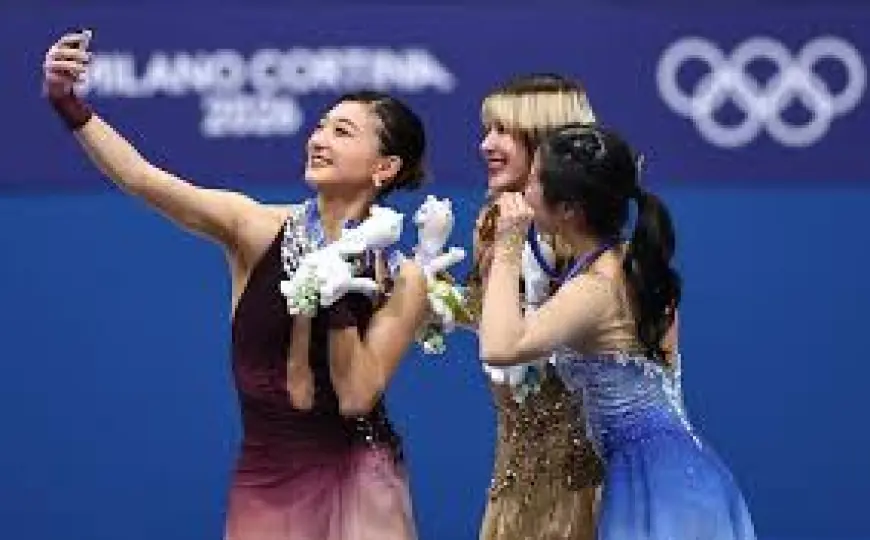
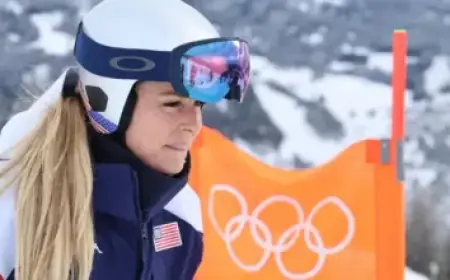
kaori sakamoto’s final Olympic skate ended in tears and silver, and that result lands as a clear inflection point for this competition. The short program had already supplied joy while a 17-year-old named Nakai Ami arrived early and drew attention; now the podium result reframes expectations for the remaining segments and raises immediate questions about momentum, depth and who carries pressure into the free skate.
Kaori Sakamoto’s silver: who feels the immediate impact
Here’s the part that matters: a silver from what was billed as a final Olympic skate does more than add a medal to a record. It concentrates emotional weight on the skater and on the narrative arc of the event — turning tears into a public punctuation mark for a decisive moment. The short program’s upbeat mood collided with this heavier outcome, shifting headlines and attention toward how the free skate will resolve remaining uncertainties.
What’s easy to miss is that the competition’s emotional swings are now part of its story; a single podium result can change where viewers, judges and competitors focus their expectations even before the free skate unfolds.
Event context, immediate timeline and the road ahead
The competition sequence has already produced contrasting notes: an analysis of the short program described it as delivering joy, while a younger athlete’s earlier-than-expected arrival added fresh intrigue. The most recent result — kaori sakamoto leaving the ice with silver and visible emotion — compresses those threads into a new narrative going into the free skate.
- 2 days ago: Women’s short program described as delivering joy.
- 24 hours ago: A 17-year-old named Nakai Ami made an early arrival on the Olympic stage.
- 6 hours ago: Kaori Sakamoto’s final Olympic skate ended in tears and silver.
Timeline is presented from recent updates; details may evolve as the competition continues.
The real question now is how this silver and the emotional close will shape reactions and strategy in upcoming routines. Skaters who rode the short program’s momentum may now be viewed differently, while the presence of a newly emerged 17-year-old adds a generational subplot that could matter in the free skate.
Micro Q&A
- Q: Who is most immediately affected? A: The athlete who skated her final Olympic program and the immediate competitive narrative around the women’s event.
- Q: Does the short program still matter? A: Yes—the short program supplied a tone of joy that now contrasts with the recent podium result, increasing uncertainty before the free skate.
- Q: Is the free skate predictable? A: The situation is unsettled; the free skate carries unanswered questions that will determine how this moment is ultimately remembered.
Signals to watch for in the near term include shifts in momentum tied to performance under pressure and any further surprises from younger competitors who have already altered expectations. If technical risk is taken or conservative strategy chosen, those decisions will clarify whether the recent silver represents a closing chapter or a hinge point for future contests.
It’s easy to overlook, but the juxtaposition of an uplifting short program, the early emergence of a 17-year-old competitor, and a tearful silver finish creates a layered narrative rarely resolved in a single night. This mixture of emotion and surprise is what will give the free skate its dramatic stakes.
For readers tracking the competition: expect evolving storylines as the free skate arrives. The recent developments have already shifted the lens through which performances will be judged and remembered.