

























Sehri Dua signals start of Ramadan 2026 after Saudi crescent sighting

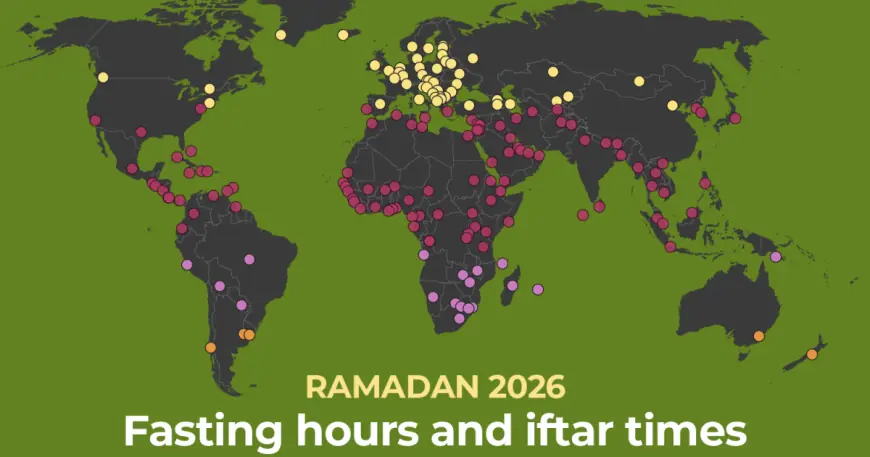
With the crescent moon sighted on Tuesday, Feb. 17, Muslims preparing for dawn meals and the traditional sehri dua will begin fasting on Wednesday, February 18, 2026, Saudi authorities announced — a start that sets the rhythm for suhoor and iftar across the globe.
Sehri Dua and the confirmed first day
The moon-sighting committee verified the waxing crescent on Tuesday, and Saudi Arabia announced that the first day of fasting will be Wednesday, February 18. Observant Muslims will wake before dawn for suhoor — the pre-dawn meal — and recite the sehri dua as fasting begins at dawn each day during the month, which will last 29 or 30 days.
How long the fasts will be and where they’re longest
The dawn-to-dusk fast will last anywhere from 11. 5 to 15. 5 hours depending on location. For nearly 90 percent of the world’s population living in the Northern Hemisphere, fasting hours will be shorter this year — roughly 12 to 13 hours on the first day — while people in southern countries such as Chile, New Zealand and South Africa will face longer fasts of about 14 to 15 hours on the first day.
Crescent sighting, rituals and community practices
Confirmation of the holy month follows the traditional sighting of the thin waxing crescent that starts every Islamic month. During Ramadan, Muslims abstain from eating, drinking, smoking and sexual relations during daylight hours to pursue greater taqwa. Even those exempt from fasting for health or age reasons still join other observances: reading the Quran, evening prayers such as Taraweeh, and communal iftar at sunset.
Ramadan moves earlier each year on the Gregorian calendar by about 10 to 12 days because the Islamic Hijri calendar follows a lunar cycle of 29 or 30 days. That cycle means Ramadan will fall around the winter solstice in 2031, and the month may be observed twice in the year 2030, beginning on January 5 and again on December 26.
What comes next: Eid timing and community observances
The festival that ends Ramadan, Eid al-Fitr, is expected to follow at the close of the 29- or 30-day month; Islamic Relief projects Eid al-Fitr will likely begin on the night of March 18, 2026. Nearly 2 billion Muslims worldwide will mark the month with daily fasting beginning at dawn, the sehri dua before suhoor, and evening iftar gatherings at sunset.
Religious leaders and community groups in local areas will publish exact suhoor and iftar times for cities and towns; the first- and last-day timings vary by location and will be used to schedule daily prayers and community meals throughout Ramadan 2026.