

























Suhoor Time and Fasting Hours: Ramadan 2026 Begins After Crescent Sighting

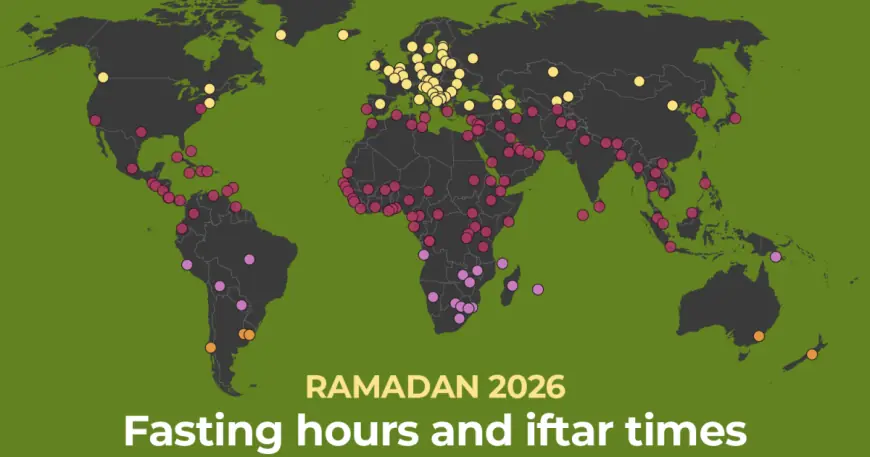
Saudi Arabia confirmed the start of Ramadan 2026 following the sighting of the crescent moon on Tuesday, Feb. 17, making the first day of fasting Wednesday, Feb. 18. The announcement sets the schedule for suhoor time and daily fasts that will vary widely around the world, from roughly 11. 5 to 15. 5 hours depending on location.
Suhoor Time: The pre-dawn meal and what to expect
Muslims observing Ramadan begin each fast by waking before dawn to eat a meal called suhoor. After suhoor time, fasting begins when day breaks and continues until sunset, when the fast is broken with iftar. The rhythm of suhoor time and iftar shapes daily routines for nearly 2 billion Muslims worldwide during the month.
Fasting hours and global variations in Ramadan 2026
The dawn-to-dusk fast will last anywhere from about 11. 5 to 15. 5 hours depending on where people live. In many places the typical period will be roughly 12 to 15 hours, with regional patterns driven by seasonal daylight differences:
- For nearly 90% of the world’s population in the Northern Hemisphere, fasting hours will be shorter this year and will continue to decrease until 2031, when Ramadan will align with the winter solstice. On the first day, many in the Northern Hemisphere can expect fasts of about 12 to 13 hours, with durations increasing throughout the month.
- People living south of the equator will experience longer fasting hours than last year. Examples of southern countries expected to have some of the longest first-day fasts include Chile, New Zealand, and South Africa, where initial fasts will be about 14 to 15 hours, though those durations will decrease as the month progresses.
- The total length of Ramadan will be either 29 or 30 days, as the Islamic calendar months are determined by lunar observation.
Because the Islamic Hijri calendar is lunar, Ramadan shifts earlier by about 10 to 12 days each Gregorian year. That shift means the timing of daylight hours during Ramadan changes year to year; the lunar year is approximately 11 days shorter than the solar year, a pattern that will lead to Ramadan being observed twice in the calendar year 2030.
Daily practice, exemptions and the festival that follows
During daylight hours in Ramadan, those who fast abstain from eating, drinking, smoking and sexual relations to cultivate greater spiritual consciousness. In addition to fasting, many use the month to read the Quran, practice gratitude and charity, and perform additional nightly prayers.
Exemptions from fasting exist for those who are not required to fast for health or other valid reasons; individuals who cannot make up missed fasts later may provide a meal for someone else in lieu of each missed day. The month concludes with the festival of Eid al-Fitr, which is likely to begin on the night of March 18, 2026. On Eid morning, communities gather for a communal prayer and greetings of celebration.
Practical details such as exact suhoor time and local iftar moments will vary by city and are governed by local sunrise and sunset times. Muslims and communities planning observances will follow local announcements for precise daily schedules.
Recent confirmations around the crescent sighting establish the start date for Ramadan 2026; details about the month’s daily timings will unfold in local timetables as communities publish exact dawn and dusk moments.