

























Sehri Dua: Ramadan 2026 Confirmed — What the Crescent Sighting Means for Fasting Hours, Suhoor and Iftar

The crescent sighting that announces Ramadan 2026 has been confirmed, and observers preparing for pre-dawn rituals like sehri dua will begin the month with staggered fasting hours across the globe. Saudi authorities verified the crescent moon, setting the first day of fasting for Wednesday, February 18, with the observation made on the evening of Tuesday, February 17.
Ramadan 2026 start and the crescent sighting
The start of Ramadan this year followed the visual confirmation of the waxing crescent moon. Moon spotters observed the thin crescent on the evening referenced above, which marks the official start of the month at sundown. With that sighting, the first day of daylight fasting is set for the next calendar day.
Ramadan will last either 29 or 30 days, following the lunar pattern that determines the Islamic months. The sequence of sighting then fasting is unchanged: the holy month begins with the crescent, the community observes a month of dawn-to-dusk fasting, and the month concludes once the next crescent is established.
Global fasting hours, suhoor (sehri) and iftar times
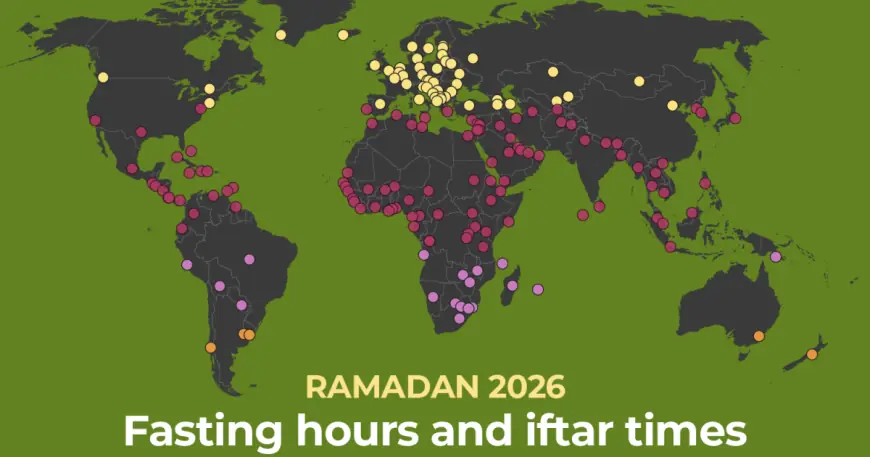
The duration of the dawn-to-dusk fast this year ranges roughly between 11. 5 and 15. 5 hours depending on geographic location. Many locations will experience typical first-day fasts of about 12 to 15 hours, with variation tied directly to latitude and season.
- For much of the Northern Hemisphere, fasting hours on the first day will be shorter—around 12 to 13 hours—and will generally grow longer during the month as the season progresses.
- Communities south of the equator will begin with longer fasts on the first day, around 14 to 15 hours, with durations changing over the course of the month.
Each local timetable includes a pre-dawn meal (commonly called suhoor or sehri) and the evening fast-breaking meal (iftar). A comprehensive table of fasting hours, suhoor and iftar times is made available for cities worldwide so observers can identify local dawn and dusk times; schedules are subject to local sighting practices and may be updated as needed.
Sehri Dua: timing, practice and relevance this Ramadan
Many observers refer to pre-dawn routines around suhoor with the search term sehri dua when planning their mornings. The pre-dawn meal takes place before dawn, and fasting begins at daybreak; the fast then ends at sunset with iftar. Those observing the fast follow daylight abstentions from eating and drinking, and from other activities traditionally suspended during fasting hours.
Beyond timing, the month is framed by spiritual aims: abstention during daylight to cultivate greater consciousness of God. Ramadan commemorates the period when the first verses of the Quran were revealed, a milestone remembered by communities worldwide who mark the month with daily rituals and increased devotional practice.
How the lunar calendar shapes the coming years
Because the Islamic calendar is lunar, Ramadan shifts earlier by about 10 to 12 days each Gregorian year. That shift explains broader multi-year patterns: this year most northern communities will experience shorter fasting hours, a trend that will continue until 2031 when Ramadan will coincide with the winter solstice and the shortest day of the year.
The shorter lunar year also produces calendar quirks farther ahead; for example, the same lunar month can appear twice in a single Gregorian year when timing aligns in a particular way. Local communities will continue to rely on crescent observations to set precise start and end dates for the holy month.
Practical planning for Ramadan 2026 centers on confirmed sighting dates, local suhoor and iftar schedules, and personal health and exemption rules for those who are unable to fast. Observers are advised to follow local timetables for dawn and dusk and to note that schedules may change with further local announcements.