

























Iftar Dua as Ramadan 2026 Begins: Saudi Arabia Sets First Day After Crescent Sighting

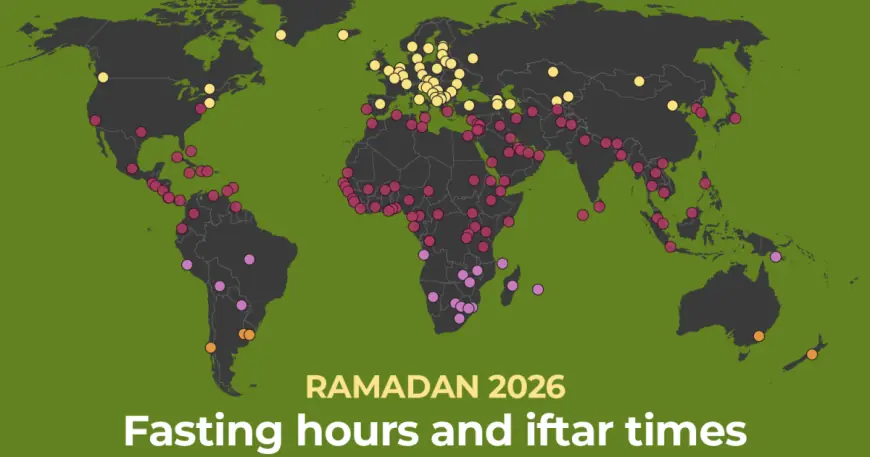
Iftar Dua marks the moment observers break their fast at dusk, and this year the timing will vary sharply after Saudi Arabia announced that the first day of fasting will be Wednesday, February 18, 2026 ET following a crescent sighting on Tuesday. The dawn-to-dusk fast will last anywhere from 11. 5 to 15. 5 hours depending on location, shaping suhoor and iftar schedules for millions worldwide.
Iftar Dua: Timing shifts across hemispheres
The global range of fasting hours is one of the clearest concrete developments for Ramadan 2026. Observers will face fasts ranging roughly between 11. 5 and 15. 5 hours on the first day. For nearly 90 percent of the world’s population living in the Northern Hemisphere, fasting hours will be shorter this year—about 12 to 13 hours on the first day—while people in southern countries such as Chile, New Zealand and South Africa will begin with longer fasts of about 14 to 15 hours. Those variations will alter the local suhoor and iftar schedules that determine when Iftar Dua and the breaking of the fast occur.
Moon sighting drives the start—and what it means for the month
The decision to begin Ramadan this year followed a crescent sighting by the moon-sighting committee on Tuesday, prompting the announcement that fasting starts Wednesday, February 18, 2026 ET. The lunar nature of the Hijri calendar remains central: Ramadan lasts either 29 or 30 days, and the month shifts earlier each year by about 10 to 12 days because the lunar year is shorter than the solar year by roughly 11 days.
That movement of dates has further implications: fasting hours for those in the Northern Hemisphere will generally continue to shorten through the coming years until 2031, when Ramadan will encompass the winter solstice and fasting hours reach their shortest. Conversely, southern-hemisphere observers will see longer days earlier in the cycle. The calendar dynamics also explain why Ramadan will be observed twice in 2030, beginning first on January 5 and again on December 26.
Practical impacts for observant communities
Because the fast entails abstaining from eating, drinking, smoking and sexual relations from dawn to dusk to pursue greater "taqwa, " the shifting daylight hours directly affect daily routines and communal rhythms across regions. Local tables of suhoor and iftar times—referenced for many cities—will be essential tools for planning the exact moment to break the fast and for scheduling evening meals, community iftars and other observances linked to dusk.
For those tracking the month, the first-day timings set the pattern: Northern Hemisphere communities should expect slightly shorter fasts on day one with durations increasing as the month progresses, while many southern communities will begin with longer fasts that decrease over the month. The variability in daylight hours means that the moment for Iftar Dua and other iftar-time observances will look different from place to place.
Traditional greetings for the period remain in use, with commonly exchanged phrases wishing a blessed or generous month. Practical planning—timing of suhoor, work and communal meals—will hinge on the precise local dawn and dusk times laid out in town-by-town timetables as the month unfolds.