























Olympic Hockey Overtime Rules Revamped as Milan Quarterfinals Deliver Mayhem

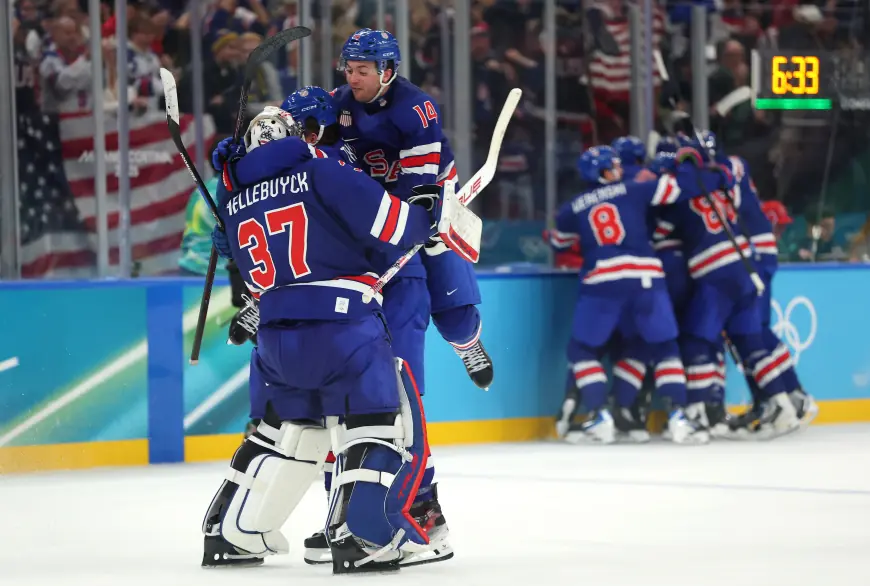
The IIHF's new Olympic Hockey Overtime Rules are in the spotlight as the tournament moves into its knockout phase, with dramatic quarterfinals in Milan producing three overtime games and a high-profile injury that clouds the road to the medals.
Olympic Hockey Overtime Rules: What Changed for the Gold Medal Game
The federation has eliminated the shootout for the gold-medal game and replaced it with full, sudden-death 20-minute periods played three-on-three until a winning goal is scored. This change guarantees that any championship game that goes beyond regulation will end with a golden goal. The rest of the tournament uses staged overtime windows: preliminary-round ties go to five minutes of sudden-death three-on-three followed by a five-round shootout if needed; knockout-round ties now extend that three-on-three sudden-death to 10 minutes before a five-round shootout determines the outcome. Another notable adjustment in the Olympic format allows teams to reuse the same shooter after the fifth round in a shootout, a departure from the restriction used in other competitions for the men’s side.
Knockout Mayhem in Milan: Three OTs, Comebacks and an Injury
The playoff slate in Milan produced four quarterfinals, three of which required overtime to settle winners and set up the semifinal pairings. Slovakia, Finland, Canada, and the United States advanced and are now guaranteed a shot at a medal. Several games featured late drama — including frantic late equalizers that forced extra time — and momentum swings that highlighted the stakes of knockout hockey.
One of the standout moments came in Finland’s game, where a frantic finish produced two late goals to force overtime and then Artturi Lehkonen delivered an overtime strike, hitting bar down to propel Finland into the semifinal. In another contest, the United States held a 1-0 lead until a late tying goal sent that game to extra time, where Quinn Hughes set up the winning sequence that punched the U. S. ticket to the next round.
Canada also needed late heroics to survive a scare from Czechia, with Nick Suzuki and Mitch Marner stepping up to advance their team into the semifinals against Finland. While those results will dominate conversation about the bracket, one development will likely overshadow on-ice theatrics: a top player left a quarterfinal in the second period with a lower-body injury after a hit and did not return, leaving his status uncertain as teams prepare for the semifinals.
The combination of the IIHF's rule changes and the surge of overtime contests in Milan creates a layered narrative. The extended three-on-three window in knockout games and the elimination of a gold-medal shootout mean that some tight matches that might once have been decided on individual shootout skill will instead be settled in open-ice, sudden-death play. That shift matters to teams and coaches as they manage fatigue and strategy late in games with medal stakes.
With the playoff bracket now set and intense knockout hockey on display, the tournament faces a compelling crossroads: the new overtime framework could produce extended, decisive golden-goal finishes in the championship game, while the packed schedule and recent injuries raise questions about roster health heading into the semifinals. For fans following the headlines, the interplay between the updated Olympic Hockey Overtime Rules and the on-ice mayhem in Milan will be the story to watch as the medal rounds approach.