





















bbc adaptation of Lord of the Flies stirs debate over colour‑blind casting as global deals roll in

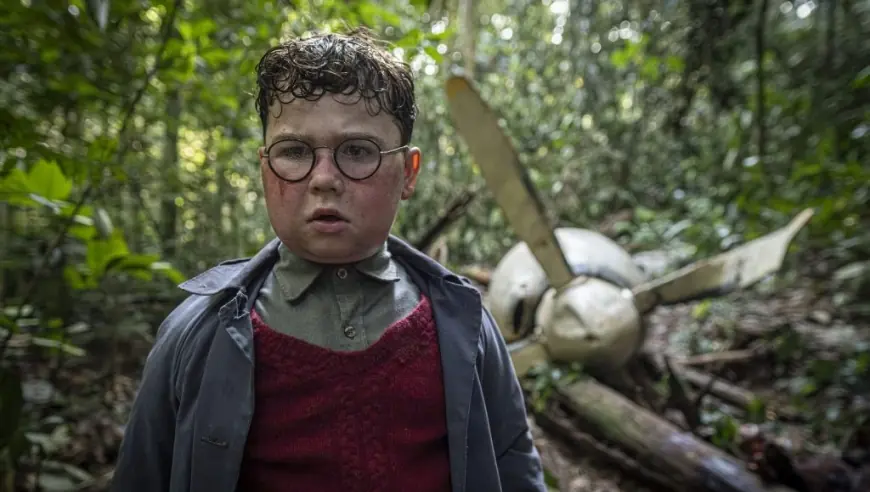
Jack Thorne’s four‑part television adaptation of Lord of the Flies premiered on February 8, 2026 (ET), prompting a lively discussion about casting, faithfulness to William Golding’s themes, and the series’ rapid international uptake. The production — filmed on location in Malaysia and led by director Marc Munden — mixes strong individual performances with a deliberate, contemporary aesthetic. But its colour‑blind casting choices have divided opinion over whether they obscure the novel’s original commentary on empire and racial hierarchy.
Casting choices and the politics of the island
The series places a diverse group of young actors at the centre of Golding’s allegory about civilisation collapsing into savagery. Supporters see that move as overdue representation: a broader range of actors gain access to roles that have historically been dominated by white performers. The lead performance as Ralph has drawn particular notice for its clarity and emotional weight.
Yet some commentators argue that this approach flattens one of the novel’s sharper edges. Golding’s story grows out of the Robinsonade tradition, which often framed Englishness and colonial hierarchies as givens. Key moments in the book rely on the language and assumptions of racial difference to sharpen the moral and political stakes; critics contend that removing or abstracting that racial context risks diluting the text’s critique of imperial self‑assurance. The tension is not about representation for its own sake, but about whether a colour‑blind reading changes the story’s original architecture — the ways in which identity, othering and power are embedded in the narrative.
Proponents of the series counter that contemporary adaptation can reframe those themes for a modern audience, making the terror of breakdown and the dynamics of peer leadership resonant without reproducing historic language of exclusion. The debate has become a proxy for larger questions about adaptation: should a retelling preserve every historical marker of its source, or can it reshape context to reflect contemporary casting ethics and audience expectations?
Production, young actors and international momentum
Behind the debate is a production that has already earned significant commercial traction. The show’s shooting in Malaysia provided a remote, tactile island environment for the ensemble, and local and international casting efforts turned up young performers who carried the narrative’s emotional burdens. One of the participants, a child from Kent who was six at the start of filming and is now eight, spent several months on location and was among thirty boys chosen from thousands of applicants for the ensemble.
Industry interest has been substantial. U. S. rights were secured by a major streaming service, and distribution agreements span numerous territories, helping the series reach audiences across Europe, Asia, Oceania and the Middle East and North Africa. The drama is also slated to screen at an international film festival in Berlin, where its cinematic treatment and production design will be on display to critics and buyers.
Key creative credits underline the series’ high ambitions: Thorne adapted the novel for television, Munden directed, and the music includes work from an acclaimed composer alongside contributions from a widely recognised film composer for the main theme. Executive producers and a significant creative team positioned the adaptation as both a dramatic event and a commercial product built for global viewership.
Whatever the verdict on casting choices, the series has reopened conversation about how canonical texts are retold in a changing cultural landscape. For some viewers, the adaptation’s casting represents welcome inclusivity; for others, it raises hard questions about how much an update should preserve the historical and racial dynamics that helped form the original moral argument. Both responses suggest the adaptation has succeeded at its basic task: forcing audiences to confront the novel’s uncomfortable questions, anew.