























madrid flight emergency and mid‑February airport chaos disrupt Ryanair, Iberia and Vueling

Spain’s major airports endured a wave of disruption in mid‑February 2026, with a high‑profile madrid flight emergency on February 14 and widespread delays and cancellations the next day. Passengers faced long queues, missed connections and a scramble for hotel rooms as airlines and ground operations struggled to keep schedules on track.
What unfolded over mid‑February
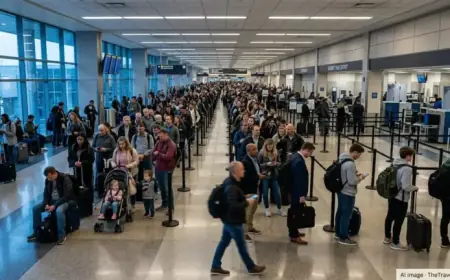
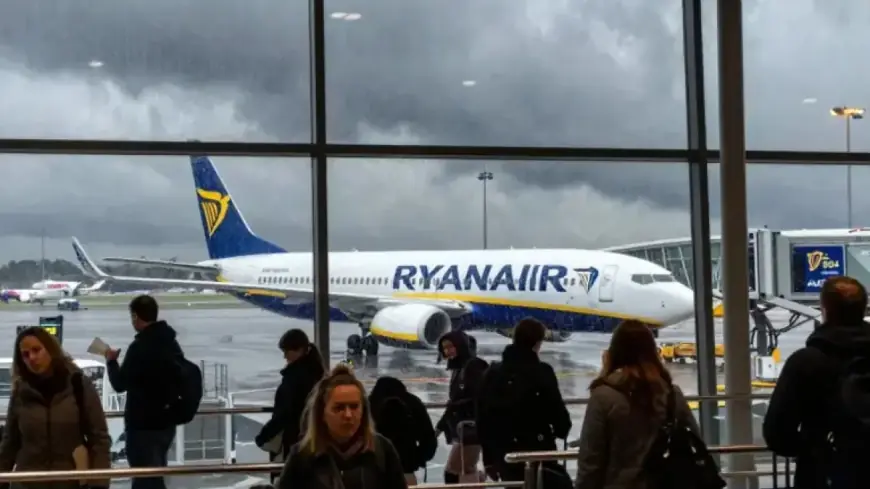
On February 14, 2026 (ET), Ryanair Flight FR9448 diverted to Madrid after a mid‑flight technical failure while traveling from Malaga to Newquay. The emergency landing heightened concern for travelers already coping with adverse conditions. The following day, airports across Spain recorded hundreds of schedule disruptions: more than 390 delays and roughly a dozen cancellations were logged nationwide on February 15 (ET), with local tallies showing Madrid bearing the brunt.
Weather played a major role. Heavy rain and fog repeatedly hampered arrivals and departures, limiting runway capacity and slowing turnaround times. At the same time, passenger volumes remained high, stretching terminal facilities and security checkpoints. Staffing shortfalls in check‑in, security and baggage handling compounded the problem, producing long lines and slower processing times that reverberated through the network.
Airlines, airports and hospitality under strain
Low‑cost and legacy carriers alike saw major reputational and operational hits. The emergency landing and ensuing disruptions added pressure on Ryanair’s already scrutinized customer service performance during irregular operations. National and regional carriers also faced scrutiny for the number of delays and cancellations tied to gate and crew availability.
Airport operators had to juggle reduced runway throughput in poor visibility with surging traveler demand, creating bottlenecks at check‑in and baggage reclaim. Ground handling shortages led to delayed luggage delivery for many passengers, triggering complaints and extra workload for frontline staff attempting to reroute bags and rebook travelers.
Local hotels near key airports experienced a sharp spike in last‑minute bookings as stranded passengers sought lodging. That surge quickly exceeded available capacity at many properties, leaving some travelers searching farther afield and paying premium rates. The hospitality squeeze amplified frustration and added to the visible strain on the travel ecosystem.
What travelers should do now
For those planning trips to or within Spain, practical preparation can reduce the stress of potential interruptions. Check your flight status frequently on your airline’s app or mobile notifications, and allow extra time for connections. When possible, book flexible fares or tickets that permit free or low‑cost changes to minimize fees if plans shift.
Pack essentials in hand luggage: snacks, water, chargers and a change of clothes can make long waits more bearable. Have a short list of nearby hotels and emergency contacts ready, and keep receipts for any out‑of‑pocket expenses in case you need to pursue reimbursement. Travel insurance that covers cancellations and missed connections can be particularly useful during periods of operational turbulence.
From an industry perspective, the immediate challenge will be restoring confidence and improving contingency planning. Operators will need to shore up staffing, refine communication with passengers during disruptions, and maintain flexibility in schedules to absorb future shocks. For travelers, a little extra planning and patience will go a long way while Spain’s air network stabilizes.