




















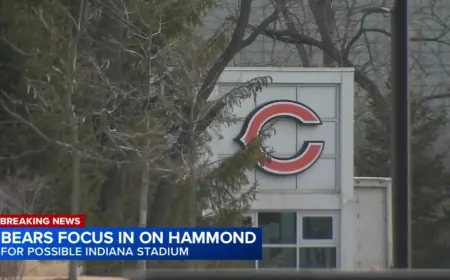




chicago bears weigh Hammond stadium push as Indiana committee advances bill

The Chicago Bears issued a fresh statement this week after Indiana lawmakers moved forward with legislation that could pave the way for a new Bears stadium in Hammond. Legislators unanimously advanced SB 27 out of a committee, creating a framework that would establish a stadium authority, new local taxes and a pathway for major public/private investment toward a proposed facility near Wolf Lake.
Bears signal commitment while due diligence continues
The team described the passage of SB 27 as “the most meaningful step forward in our stadium planning efforts to date” and said it is committed to completing site‑specific due diligence to support its vision for a world‑class stadium in Hammond. The statement thanked state leaders for establishing what it called a “critical framework and path forward” and emphasized an interest in building a working relationship with Indiana officials.
That language underscores the franchise’s continued interest while making clear that major technical, environmental and financial reviews remain. Moving from legislative progress to shovels in the ground will require the Bears’ internal approvals, the completion of engineering and environmental studies, and negotiation of detailed public/private financing terms.
What SB 27 would do and who’s backing it
Lawmakers in the Ways and Means Committee voted unanimously Thursday morning to advance the bill that would create the Northwest Indiana Stadium Authority, modeled on similar sports facility authorities in other states. The proposal envisions a stadium financed in part by the team, with the Bears expected to contribute roughly $2 billion toward construction costs under the current outline.
To support debt service and infrastructure for the project, the plan would authorize new food, beverage and innkeeper taxes in northwest Indiana counties. Local leaders framed the effort as a regional economic development opportunity. Hammond’s mayor told the committee that the city is prepared to “do whatever it takes” to help make the project successful and argued that Hammond’s location within the Chicagoland region positions it uniquely for a major stadium.
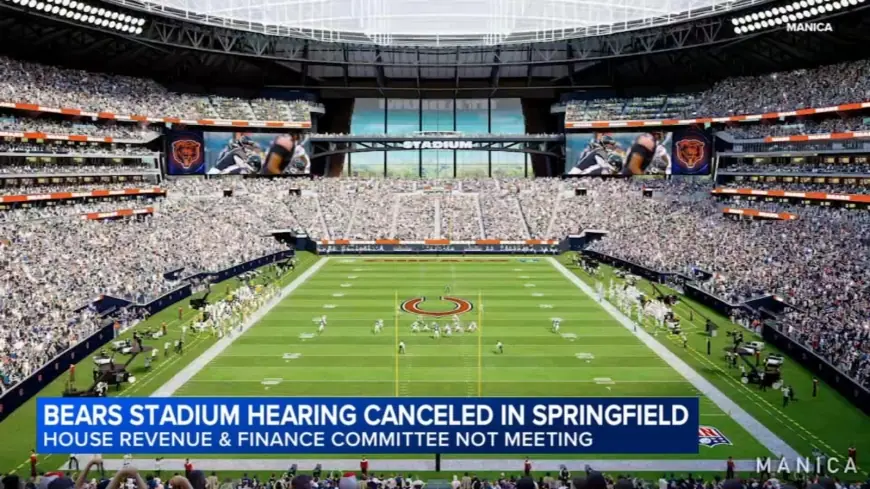
State legislative leaders highlighted ongoing conversations with the team and framed the bill as the foundation of a potential public/private partnership centered on stadium construction. At the same time, another path toward a Bears stadium in Illinois saw a procedural setback when an Illinois House committee canceled a hearing on a separate “mega project” bill that could have offered long‑term property tax breaks for a proposed site in the suburbs.
The competing developments in Indiana and Illinois reflect a high‑stakes tug of war: Indiana lawmakers moving to create statutory tools and new local revenue streams, and Illinois officials continuing private discussions with team leadership about keeping the franchise in state.
Implications, obstacles and what’s next
Passage of SB 27 would not finalize a stadium move but would clear a significant policy hurdle and provide a vehicle for financing and governance. Key hurdles remain, including completion of the Bears’ due diligence, voter or municipal approvals for local tax changes where required, permitting and environmental reviews, and detailed negotiation of who covers cost overruns and long‑term operating obligations.
Moving the team across state lines would carry political sensitivity and economic consequences for both Illinois and northwest Indiana. If momentum continues, expect incremental developments: additional committee votes, public hearings on tax measures, released studies tied to the Wolf Lake site, and follow‑up statements from elected officials and team leadership. For now, the legislature’s vote marks a clear step forward in Indiana’s bid, while Illinois leaders say they remain engaged in efforts to retain the franchise.