












Stephen Colbert Buys Toy for Viral Star punch the monkey After Abandonment Story

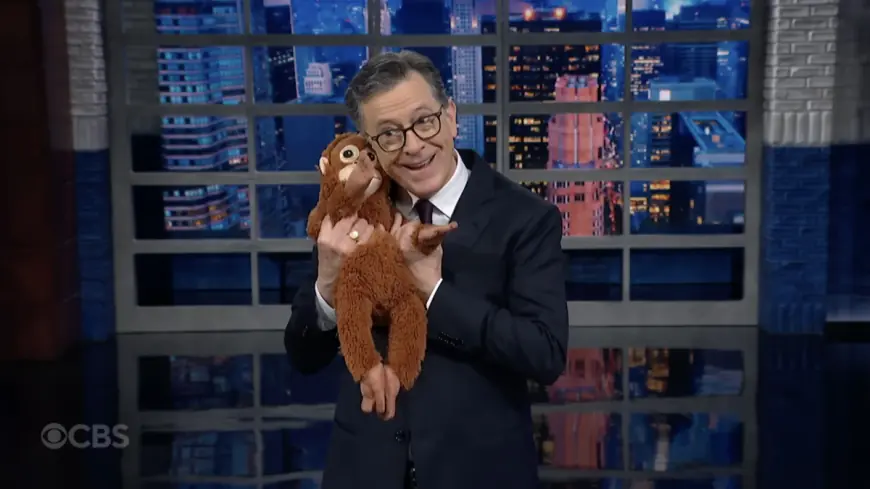
Stephen Colbert stepped into a small, heart-tugging animal story this week, announcing he purchased the stuffed orangutan that a rejected baby macaque has been clinging to for comfort. The monkey, nicknamed Punch, was abandoned by his mother at a zoo in Japan and has been hand-reared by staff. Images of Punch carrying the plush toy everywhere have drawn widespread attention, and the late-night host turned that viral affection into a simple gesture of empathy.
How Punch became a global emotional touchpoint
The baby macaque, known as Punch, was rejected by his mother shortly after birth at a zoo in Ichikawa City. Rather than surviving in the wild, Punch was given round-the-clock care by zookeepers who hand-reared him to keep him warm, fed, and safe. Staff also provided a stuffed orangutan — a plush companion that Punch has used as an emotional anchor while adjusting to life in the exhibit and attempting to make social connections with other monkeys.
Photographs of Punch clutching the toy sparked an outpouring of public sympathy and affection. The images struck a chord: they are both heartbreaking and tender, a reminder of the small comforts that can mean everything to a young animal in distress. The narrative has prompted conversations about animal welfare, neonatal care in zoos, and the emotional lives of primates.
Colbert’s on-air purchase and the broader response
On Wednesday night (ET), the host brought the story to his audience, recounting Punch’s plight and making light-hearted jokes before announcing he had bought a similar plush companion for himself as a show of solidarity. He described the toy, noted its modest retail price, and framed the purchase as a small, comforting act — something many viewers reacted to with equal parts amusement and warmth.
The move underscores how quickly intimate animal stories can travel and how public figures can amplify them. For Punch, the gesture translated into more attention for the zoo’s caretakers and their efforts, and for viewers it provided a moment of levity amid heavier news cycles. The stuffed toy has become a symbol in this tale: a tangible, inexpensive object that nonetheless provides a visible sign of solace and connection.
What comes next for Punch and the zoo
Zoo staff continue to monitor Punch’s interactions with other monkeys in the exhibit while maintaining his specialized care routine. Hand-rearing an infant primate is resource-intensive, and zookeepers balance attempts at social integration with the need to ensure Punch’s health and psychological well-being. The stuffed companion has played a role in easing transitions, but long-term plans focus on slowly encouraging natural social bonds with peers as he matures.
Animal welfare experts note that surrogate objects can be effective short-term supports for orphaned or rejected juveniles, but they also stress the importance of human-led interventions that foster species-typical behaviors. For now, Punch’s story remains a small but resonant reminder of the fragility of young animals and the care systems that step in when nature fails them.
Public reaction to the case — from viral shares to celebrity attention — has generated renewed curiosity about the zoo’s practices and the fate of animals like Punch. As the zoo continues its work, the images of the tiny macaque clutching his plush companion will likely endure as an emblem of both vulnerability and the unexpected comforts that can help an animal survive.