





















2026 winter olympics women single skating free skating: Dramatic finish looms with Alysa Liu leading U.S. in third

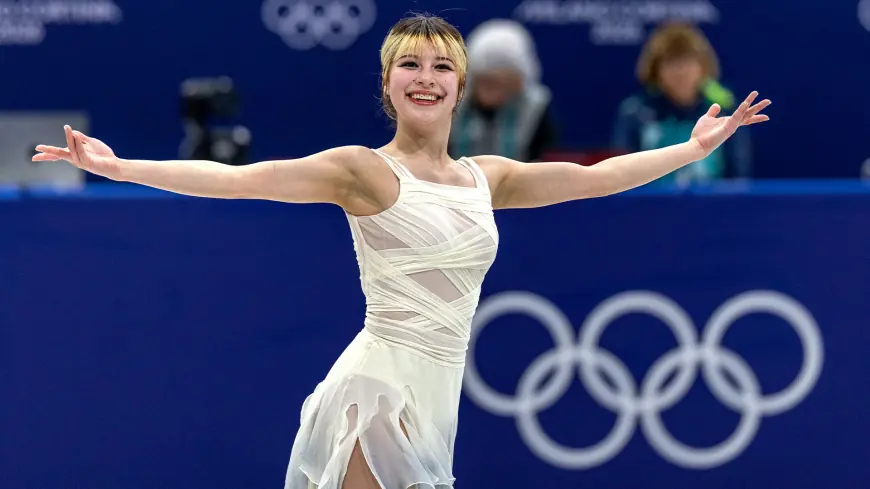
The women's singles competition in Milan Cortina heads into its decisive free skate on Thursday at 1 p. m. ET, and the podium picture remains wide open. Seventeen-year-old Ami Nakai sits in first after a high-risk, high-reward short program, veteran Kaori Sakamoto follows closely, and U. S. world champion Alysa Liu is third — but with technically demanding free programs still to come, the final result is far from certain.
Podium favorites and the pressure of the free skate
Nakai surged to the top after landing a triple Axel and a triple-Lutz–triple-toe-loop combination, delivering a youthful, energetic short program that highlighted her technical ceiling. Close behind, Sakamoto — skating in what she has signaled will be her final competitive season — produced an emotional short that leaned on polish and consistency. Her track record this week has been steady, and she remains the most likely candidate to deliver a clean, composed free skate under pressure.
Alysa Liu arrives to the free skate with serious momentum after another elegant short program. Her consistency this season at major events gives her a plausible route to the top of the podium if she can replicate the control and technical content she showed at the World Championships last year and the Grand Prix Final in December. Commentators and former champions have highlighted Liu's ability to skate with freedom and joy — traits that can be decisive on Olympic night — and she has said she relishes the chance to perform without letting results dictate her mindset.
Contenders attempting seismic moves
Beyond the top three, several skaters possess the firepower to overturn standings in the free skate. Adeliya Petrosian, sitting fifth after the short, has publicly entertained the idea of attempting two quadruple jumps in her free program — a plan that, if executed cleanly, could vault her into gold-medal contention. Yet this season has been marred by injury setbacks and uneven quad execution in competition and practice, making that gamble a true high-risk, high-reward scenario.
Japan's Mone Chiba, in fourth, and Anastasiia Gubanova, currently sixth, also have the technical and artistic tools to move up. The nature of the free skate — with its longer program and greater jump inventory — often produces dramatic reshuffles, and several athletes ranked outside the top five remain realistic medal threats if they deliver near-flawless performances.
U. S. prospects, mistakes and mindset
Team USA's trio carries both promise and pressure into the free skate. Alysa Liu is the clearest medal hopeful; Isabeau Levito, sitting eighth, and Amber Glenn, down in 13th after a costly error, complete the nation's contingent.
Glenn's short program featured an electrifying triple Axel, but she then doubled a planned triple loop. Under International Skating Union rules, any solo jump other than an Axel must be a triple in the short program to count, so that error was invalidated and proved consequential to her placement. Glenn has shown she can produce dominant free skates in other competitions, and she has the technical depth to climb the standings if she skates cleanly and confidently.
For Levito and Glenn, coaches and former champions alike emphasize process over placement: treat the free skate as an opportunity to perform for themselves, manage nerves, and embrace the ice rather than overthink consequences. With points so tightly clustered near the top, small margins and emotional composure will likely determine who stands on which step of the podium when the event concludes.
Thursday's free skate at 1 p. m. ET will settle the women's singles results, but history shows figure skating finals are rarely decided until the last skater exits the ice. Expect bold technical attempts, strategic program content, and performances driven as much by heart as by scorecards.