


















2026 winter olympics women single skating free skating: Dramatic finish looms with Ami Nakai leading, Alysa Liu third

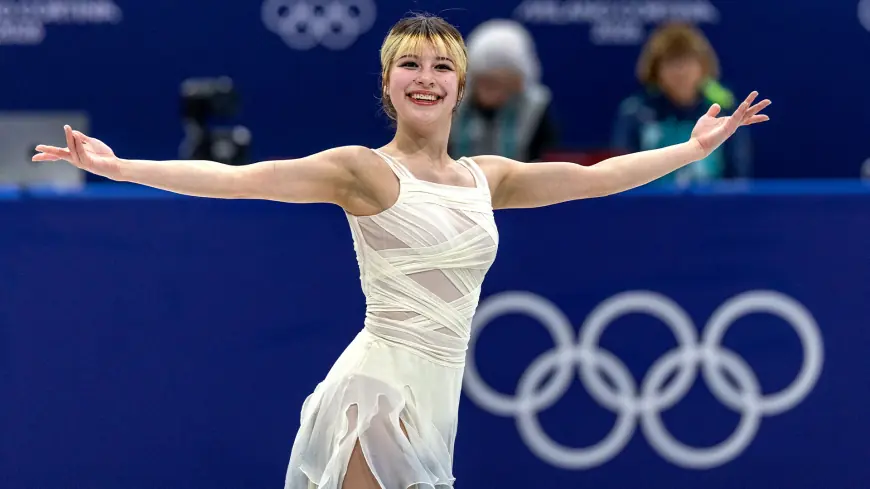
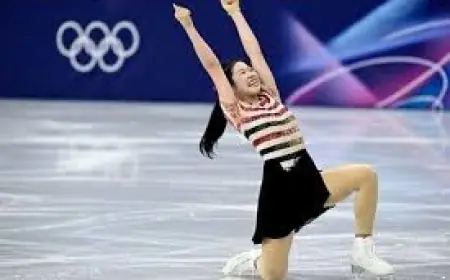
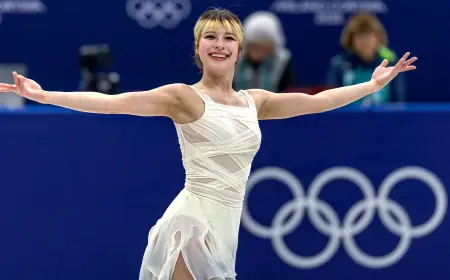
After an electrifying short program segment, the women's singles competition at the Milan Cortina Games moves to its decisive free skate on Thursday (ET), with the podium far from locked. Japan's Ami Nakai holds the lead, veteran Kaori Sakamoto is close behind, and U. S. world champion Alysa Liu sits third — but the long program traditionally opens the door for major movement.
Leaders and medal favorites
Seventeen-year-old Ami Nakai stunned the field with a high-energy short program built around a triple Axel and a triple-Lutz–triple-toe-loop combination, vaulting her into first place. Her performance showcased rare technical bravado for a skater so young and put her in prime position, though the mental challenge of closing out an Olympic free skate remains substantial.
Just behind Nakai is Kaori Sakamoto, the experienced campaigner skating what is expected to be her final competitive season. Sakamoto delivered an emotional short program set to "Time to Say Goodbye, " and her consistency throughout the Games — including two wins in the team event earlier in the fortnight — makes her the strongest single contender for gold on paper. Her ability to combine polish with powerful technique will be central in the free skate.
American Alysa Liu sits less than a point off the leaders after a clean short program that emphasized artistry and speed. Liu arrives in Milan with the recent resume of a world title and the Grand Prix Final behind her; when she taps into the technical level she showed at those events, she is a clear threat for a podium finish, and potentially higher. Liu has expressed a desire for more time on ice after the short, signaling confidence and eagerness heading into the free skate.
Contenders and potential shake-ups
The free skate is the realm of dramatic comebacks, and a number of skaters outside the top three have the technical weapons to change the standings. Adeliya Petrosian sits fifth but is rumored to be planning an ambitious free program that could include two quadruple jumps. If she lands them cleanly — something she has struggled to do consistently this season — she could leap into medal contention in a single performance.
Japan's Mone Chiba, currently fourth, and Anastasiia Gubanova, in sixth, both possess elements that could vault them onto the podium with a near-perfect long program. Meanwhile, skaters further down the order will need near-flawless performances and some missteps from those above to make a true push for hardware; history shows the free skate often reorders the leaderboard in surprising ways.
For U. S. fans, one difficult moment from the short program came when three-time national champion Amber Glenn popped a planned triple loop, converting it to a double and invalidating the element under technical rules. She finished 13th but has displayed the capacity for a major comeback in recent domestic competition and could rise significantly with a dominant long program.
What to watch in the free skate
The long program will be a test of stamina, strategy and nerve. Expect coaches and skaters to weigh risk versus reward: technicians aiming for quads and triple Axels will chase big base values, while others will prioritize clean execution and component scores to maximize their totals. Judges will also scrutinize levels on spins and step sequences, with small differences in grade of execution likely to determine medal positions.
Emotional factors will matter, too. Veterans with one last season in them will try to harness Olympic pressure into precision, while rising stars will seek to channel youthful fearlessness. With the free skate scheduled for Thursday (ET), the final chapter of women's singles is set to deliver drama, and every rotation will matter in the race for Olympic hardware.