





















2026 winter olympics women's single skating free skating: Ami Nakai's short-program shock sets up must-see finale

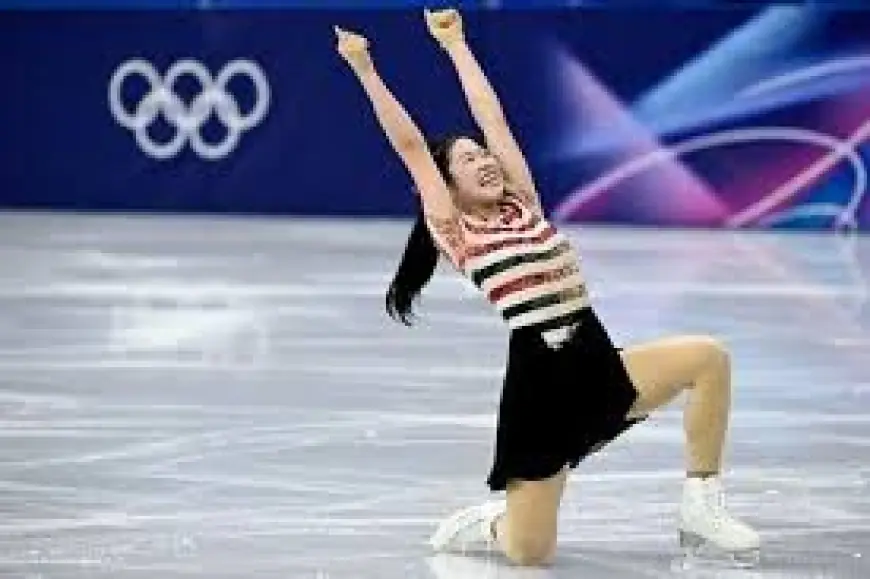
Seventeen-year-old Ami Nakai stormed to the top of the leaderboard in the short program, turning the 2026 winter olympics women's single skating free skating into one of the most unpredictable and compelling events of the Games. With medals to be decided in the free skate on Thursday (ET), the final showdown now carries added drama: a rising debutant, a veteran bidding farewell, and the chance for a dominant national performance.
Nakai's rise from the middle of the pack
Nakai arrived in Milan-Cortina as a relative newcomer on the senior world tour this season. The International Skating Union's move to raise the minimum competitor age to 17 meant she is among the youngest fielded, and with a modest world ranking she drew an early start spot, skating 18th of 29. That mid-pack placement might have obscured her medal potential for casual viewers, but Nakai had the technical scores and a season-best of 78. 00 to back a podium push.
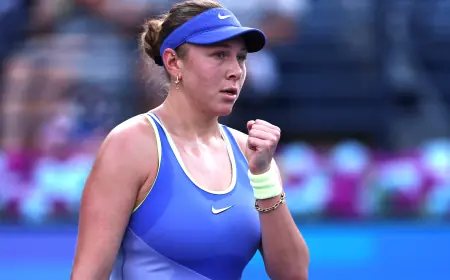
On the night of the short program she delivered a performance that combined crisp elements with an infectious sense of fun and confidence. Her broad smile and visible celebration at the end signalled not only a successful skate but the arrival of a serious contender on the Olympic stage. The result throws a curveball into expectations and forces the favourites to respond under the bright lights of the free skate.
Sakamoto, farewell pressure and Japan's medal chance
Kaori Sakamoto remains Nakai's chief rival for gold. The 25-year-old has dominated the sport in recent seasons, capturing three consecutive world titles and entering this event as a proven champion. This Olympic campaign is her final season; she has said she will step away from competition after Thursday's free skate (ET), adding emotional weight to her performance.
Sakamoto's short-program choice, an evocative rendition of Time to Say Goodbye, aimed to connect with the crowd and the moment. That blend of experience and heart makes her dangerous: she can skate with championship composure while chasing one more career-defining result. For Japan as a whole, the figure-skating program has been a source of strength at these Games. With multiple medals already in the bank and podium finishes in other skating disciplines, a sweep in the women's event is a realistic — if ambitious — scenario.
What the free skate will decide
The free skate on Thursday (ET) will settle the medals and test which storyline prevails: youthful daring or seasoned mastery. For Nakai, the task is to translate short-program momentum into a 4-minute free skate that houses the length, technical content and endurance judges expect at the Olympic level. For Sakamoto, it is about delivering one final, polished program under the pressure of both expectations and farewell sentiment.
Beyond those two, the field contains skaters who have the ability to leap into medal contention with one error-free free program, making the event unpredictable through the final warm-up. The format ensures that the leader after the short program is not guaranteed victory; the free skate has rewritten Olympic outcomes before, and the mix of experience, scoring potential and nerves will determine which skaters stand on the podium.
Fans should tune in Thursday evening (ET) for the concluding chapter of the women's event: a free skate that promises not only technical fireworks but the kind of human stories — coming-of-age, retirement, national pride — that make Olympic figure skating compelling.