





















ramadan time table 2026: Communities plan, leaders urge unity as disputes over start persist

Muslim communities are already preparing for the next annual period of fasting, reflection and communal prayer, with local leaders stressing that the ramadan time table 2026 will be shaped by both tradition and local practice. Organisers in smaller island communities say the month brings a renewed sense of belonging, while wider debates continue over when the month should begin.
Channel Islands communities report growth and shared Iftar
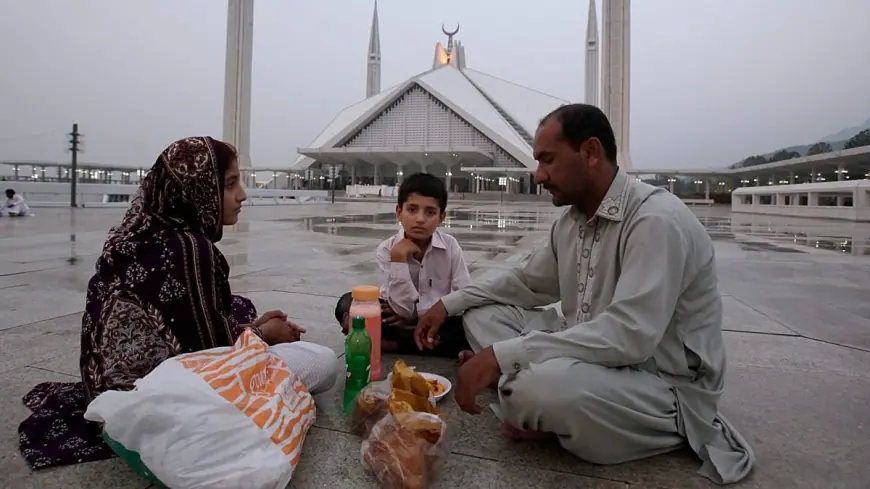
In island communities, leaders describe Ramadan as a time to "super-fast charge yourself spiritually and mentally" for the year ahead. Mosques and community groups are organising daily Iftar meals after sunset to bring people together, particularly those who live far from their families.
One trustee at a local Islamic centre noted a significant increase in attendance at evening meals, with roughly 65 to 70 people gathering some nights. The trustee said the shared meals foster a strong sense of belonging and highlighted volunteers who make large communal gatherings possible in limited space.
A community organiser from another island group said Ramadan is a personal journey to reset and refocus values, but that planned events at the mosque and outreach activities help people feel part of a wider community. He compared the month to a spiritual "fast charge" that ideally supports people until the next Ramadan.
Why the ramadan time table 2026 will look different by place
Disagreements over the exact start of Ramadan are long-standing and stem from two main approaches: local moon sighting and astronomical calculation. These differing methods mean communities often begin fasting on different days, which directly affects any published ramadan time table 2026.
Local sighting can produce variation even across neighbouring regions, while calculation-based timetables provide a single, predictable schedule. Both approaches are used by mosques and organisations, and the choice often reflects local tradition, community ties and religious guidance.
The practical outcome is that families and mosques should expect official start and end dates for 2026 to be confirmed close to the lunar sighting or by the governing religious body they follow. That confirmation will set the daily prayer and fasting schedule — from Fajr (pre-dawn) through Maghrib (sunset) when Iftar is taken — with times varying by location and by day. Any advertised timetable should therefore be checked locally for updates and will be expressed in the local time zone; for audiences in the United States, convert prayer and Iftar times to Eastern Time (ET) when planning.
How communities and individuals can use the ramadan time table 2026
Organisers recommend that residents watch for announcements from their local mosque or community group as the month approaches. For planning purposes, a typical daily pattern during Ramadan includes:
- Fajr: the pre-dawn prayer before the fast begins each day;
- Maghrib: the sunset prayer that marks the end of the fast and the time for Iftar;
- Evening prayers and community gatherings, often including charity drives and shared meals.
Smaller communities say that Iftar gatherings are particularly important for people who are away from family, and organisers are preparing extra space and volunteers to meet rising demand. Leaders also emphasise patience and calm during the month, noting that hunger or tiredness should be met with restraint and community support.
As the calendar for 2026 is finalised by local authorities and religious bodies, communities are urging respect for differing practices and encouraging joint activities where possible to reinforce the communal spirit that defines the month.