













New film divides readers — responses to the wuthering heights book on screen

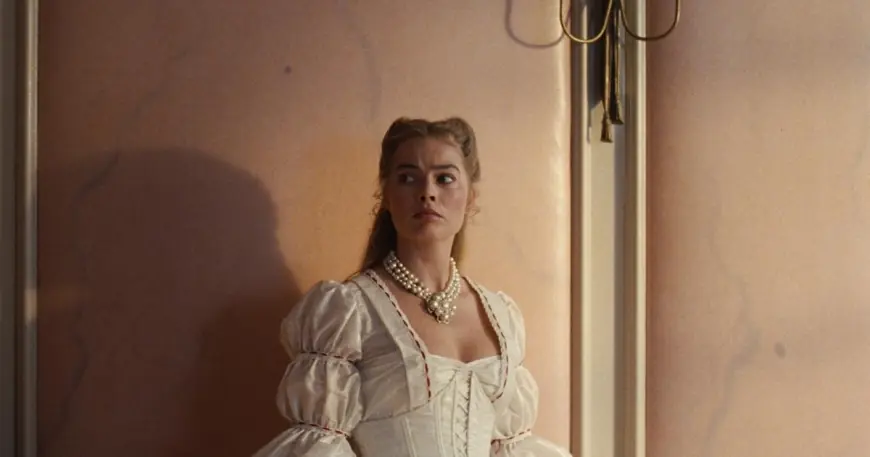
Emerald Fennell’s dramatic reimagining of Emily Brontë’s novel has prompted intense debate among readers and critics, with responses split between praise for its visual bravado and frustration over changes to character, race and narrative focus.
Audience reactions: spectacle, sex and shifting sympathy
Early viewers have described the film as a colour-saturated, baroque spectacle that thrills in its production design while frustrating those who wanted a closer emotional match to the original novel. Many praised the contrast between sumptuous costumes and stark moorland, saying the visuals often landed with a delightful shock. The modern soundtrack choices were noted for evoking landscape and mood, and several screenings drew packed houses on opening night.
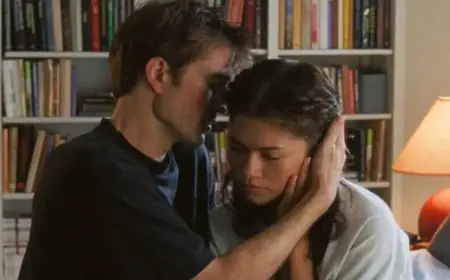
But enthusiasm is not uniform. Some long-time fans and teachers who read the book in groups said the adaptation’s emphasis on sex and sensuality felt more like adolescent fantasy than a faithful rendering of the novel’s intense psychological currents. While those scenes entertained parts of the audience, others argued they reduced complex longing and vengeance to something lighter and less resonant. A recurring critique is that the film minimizes the book’s unreliable narration, recasting the story into a more straightforward—if stylised—romance rather than a layered study of obsession and social otherness.
Casting and race debate reignited
The choice of a white actor in the lead role has reopened discussions about the character’s racial identity. Readers and scholars have long debated Brontë’s original descriptions, which include references that could suggest darker skin or mixed heritage. Passages in the novel hint at otherness through descriptors and narrative speculation about origins; some interpret these cues as pointing to a character who is not plainly white, while others note the ambiguity leaves room for multiple readings.
Onscreen history has often presented the character as white, and that tradition continues to shape expectations. For many viewers, the new casting decision resurrected a broader conversation about authenticity, representation and how much a director can alter notions of identity while claiming fidelity to a classic text. The debate has become one of the dominant talking points around the film, intersecting with arguments about what counts as a necessary or permissible adaptation choice.
Creative decisions: spectacle over the novel’s subtleties
Critical responses point to substantive structural changes: entire swathes of the novel’s second half and a number of supporting characters are absent from the screen, and some figures have been conflated to streamline the story. The director’s stated intent to channel a youthful, visceral reading of the book is evident in staging choices that foreground fetishistic props—dolls, hairwork and theatrical tableaux—and an adolescent perspective on desire and violence.
Design elements, from costumes that stylise female bodies to art-directorial flourishes, have won admiration for craft while drawing criticism for flattening the novel’s darkness into set-piece glamour. Some viewers felt the film lost crucial textures—supernatural hints, the novel’s class and racial tensions, and the narratorial ambiguity that makes the source material unsettling—sacrificing them to boost momentum and visual drama. Others counter that the film’s intense focus creates a memorable, if partial, experience that will provoke renewed interest in the book itself; there are reports of bookshops seeing spikes in sales and book clubs using the adaptation as a prompt to revisit the text.
Whether audiences view the film as a bold reimagining or an over-styled misreading, the conversation is likely to continue. The adaptation has succeeded in one clear respect: it has forced readers and newcomers alike to reexamine what the novel means about obsession, class and otherness in the light of contemporary concerns.