
















FCC chair Brendan Carr says media were ‘lied to’ in james talarico broadcast row

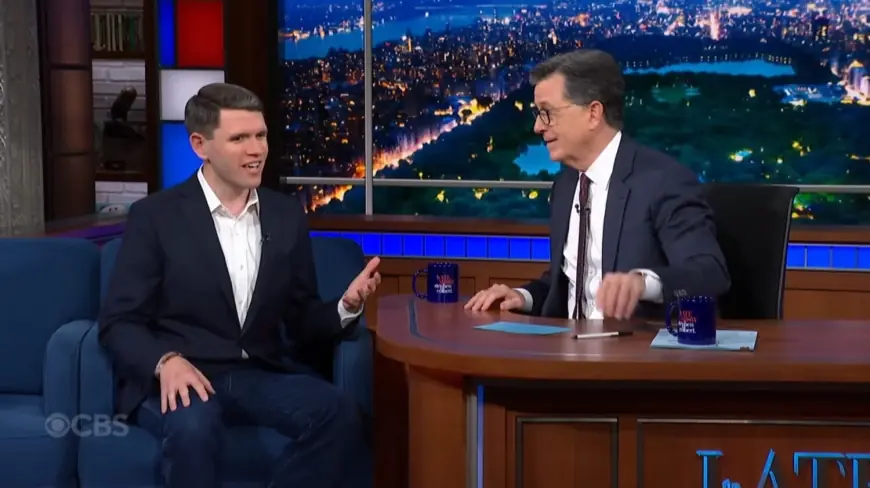
At a tense Federal Communications Commission meeting on Wednesday, Feb. 18, 2026 (ET), FCC chair Brendan Carr publicly accused journalists of being misled over claims that a late-night network blocked an interview with Senate candidate james talarico. Carr defended the agency’s enforcement of the century-old equal-time rule and confirmed an enforcement action into a daytime talk program connected to the episode.
Carr defends enforcement, blasts media for coverage
Speaking in his first public comments on the controversy, Carr said journalists had been tricked by an account presented on late-night television that the network had engaged in censorship. He framed the agency’s actions as routine enforcement of existing law, emphasizing that the equal-time provision in the Communications Act requires comparable airtime for legally qualified candidates when one appears on a broadcaster.
"If you have a legally qualified candidate on, you have to give comparable air time to all other legally qualified candidates, and we’re going to apply that law, " Carr said. He added that the episode was not censorship and criticized the initial media narrative, saying reporters had been fed falsehoods and then amplified them.
Carr also confirmed the FCC has opened an enforcement action into a daytime talk program that aired an appearance by james talarico earlier in the month. He declined to elaborate on the nature of that inquiry but warned broadcasters that they remain responsible for ensuring their programming complies with the agency’s rules.
Networks offered legal guidance; comedian aired interview online
The row began when a late-night host claimed network attorneys had told him he could not air an interview with james talarico on broadcast television because it might trigger equal-time obligations for rival candidates. Network representatives pushed back, saying the show had received legal guidance warning that a broadcast interview with a legally qualified candidate could create obligations to provide comparable time to other campaign rivals unless an exception applied.
Broadcasters can seek exemptions when an appearance qualifies as a bona fide news interview, but Carr said the company in question had not requested such an exception. That left the program with options: either forgo broadcasting the interview on television or take steps to ensure comparable time for other candidates.
Rather than airing the segment in its televised late-night slot, the host posted the conversation online, where it drew massive attention. By midweek the interview had accumulated roughly 6. 1 million views, far outstripping typical television audience figures for the program.
Political fallout: fundraising surge and partisan pushback
The controversy proved an unexpected boon for james talarico’s campaign. The campaign reported raising $2. 5 million in the 24 hours after the broadcast dispute surfaced, a flood of donations the campaign framed as a defense of free speech and a rebuke of heavy-handed censorship fears.
The episode has produced sharp disagreement inside the commission and on the political stage. The lone Democratic commissioner dissented from Carr’s line, warning that the equal-time escalation is part of a broader pattern in which the FCC is being used to target content some officials dislike. That dissent underscores the partisan split over how aggressively the agency should enforce broadcast rules in politically charged contexts.
As early voting proceeded in the March 3 Democratic primary in Texas, the dispute added new attention to a contest that already features high-profile lawmakers. Campaign operatives and outside observers are watching whether the fundraising spike and the viral interview will change the dynamics of the race or simply amplify existing trends.
For now, the FCC’s move to open an enforcement action into the daytime appearance and Carr’s public rebuke of media coverage signal that the agency intends to apply the equal-time rule firmly—while the political and media fallout from the episode continues to play out.