























ramadan brings sense of belonging for Channel Islands Muslims

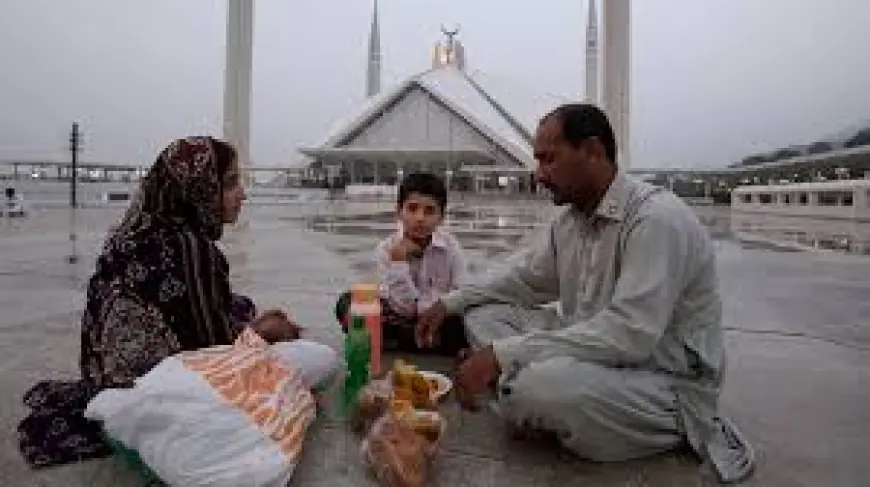
Muslim leaders in the Channel Islands say this year's ramadan is a time for spiritual renewal and community bonding, with nightly Iftar gatherings helping people who are far from family feel connected. Organisers in both Jersey and Guernsey describe growing attendance and an effort to expand communal activities to meet demand.
Evening Iftars create practical and emotional community space
Across the islands, Muslims observe the holy month by fasting from dawn to sunset and breaking the fast each evening with an Iftar meal. In Jersey, the Islamic centre's trustees estimate between 65 and 70 people now turn up for Iftar on many nights, a figure that has pushed organisers to reconsider how they use available space.
Dr Sarfaraz Jamali, a trustee at the Jersey Islamic Centre, said the shared meal does more than fill a practical need — it provides a "sense of belonging" for participants. He noted the community has expanded significantly since he helped establish the centre and is now dealing with the challenge of accommodating more people during peak evenings.
Those gatherings include people from diverse backgrounds and age groups, and volunteers from the wider community are playing a role in preparing and serving food. The communal element, organisers say, reduces isolation for many who live far from relatives and for new arrivals adapting to life on the islands.
Ramadan framed as a spiritual reset and test of patience
Leaders describe ramadan as a concentrated period for spiritual practice and personal reflection. Imraan Moolla, a representative of the Guernsey Muslim Initiative, likened the fast to "super-fast charging" yourself mentally and spiritually, a process intended to refocus values and carry participants through the year ahead.
He acknowledged that fasting can be physically demanding and that participants sometimes feel tired or irritable, but emphasised that the discipline is intended to cultivate calm and self-control. For smaller and more dispersed communities, planned mosque events and outreach activities are designed to reinforce that discipline with social support.
Guernsey organisers have scheduled activities inside and outside the mosque to bring people together. Those events are particularly important for people who cannot travel home for the month, offering a structure of shared prayer, meals and conversation that mirrors family life.
Local patterns reflect wider global observance
The Channel Islands' experience mirrors broader patterns seen where ramadan is observed: communal meals, increased prayer activity and local photo and media coverage documenting the rhythms of pre-dawn meals and evening gatherings. Because the Islamic calendar is lunar, communities across the world sometimes begin ramadan on different days, which can shift the cadence of local observances.
Organisers in the islands say they hope to expand space and services in future years to accommodate continued growth. For now, volunteers and local trustees are focused on ensuring everyone who wants to take part has the opportunity to join nightly Iftars and the mosque-led programmes that underpin this period of spiritual renewal.
Leaders stressed that the practical work of hosting meals and arranging prayers dovetails with ramadan's deeper objectives: patience, empathy and a renewed sense of belonging for a community that continues to grow and adapt on the islands.