














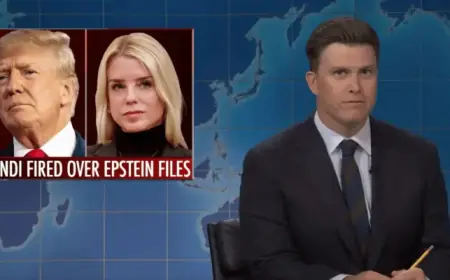










pam bondi's Hearing Draws Fire Over Mishandled Epstein Files


The attorney general’s appearance before Congress this week escalated scrutiny over how Justice Department files tied to Jeffrey Epstein were handled. Survivors in the hearing room described fresh indignities after a document release that exposed sensitive images, while lawmakers and advocates pressed for answers about why large portions of the files remain heavily redacted.
What unfolded at the hearing
The hearing presented a tense scene: survivors of Epstein’s abuse in the gallery, House members demanding accountability, and the attorney general on the hot seat. When asked to apologize to victims for the department’s handling of the files, the attorney general declined and instead rebuked Democratic members, at times responding with taunts that members called inappropriate and distracting.
Beyond the rhetoric, committee members from both parties raised sharp objections to how the Justice Department executed the release mandate it had been given. Lawmakers emphasized that victims deserve protection and clarity — not further exposure — and pressed the attorney general on steps the department took to prevent disclosure of explicit materials.
Errors in the document release and the fallout
In a troubling sequence, the department uploaded dozens of unredacted items, including intimate images that survivors said should have been shielded. Those mistakes prompted immediate outrage from advocates and members of Congress who said the release re-victimized people who had already endured trauma. Survivors and witnesses described the lapse as a catastrophic failure of basic victim protections.
At the same time, committee review of the released material showed that a large share of the files remains redacted, including the identities of several wealthy and powerful men mentioned in the documents. That contrast — careless exposure of sensitive photos alongside careful withholding of names tied to elites — raised questions about whether decisions about disclosure were driven by politics or uneven application of privacy standards.
Lawmakers who helped force the document release into the public record said they had been granted access to unredacted materials and found that the department kept nearly 80 percent of the content obscured. That level of redaction, coupled with the unintentional posting of private images, deepened skepticism about the department’s competence and motives.
Implications and next steps
The political and legal consequences are still unfolding. Members of Congress signaled they will press for reforms to document-release procedures and for clearer standards to protect victims and ongoing investigations. Oversight options on the table include follow-up hearings, demands for internal reviews, and potential legislative fixes that would tighten protocols for handling sensitive material.
Advocates for survivors said the episode exposed larger structural failures: a system that has historically prioritized powerful figures over victims, and an agency that failed simultaneously to be transparent and to safeguard dignity. Critics argued the department’s selective protection of reputations while mishandling victims’ privacy illustrates a deeper erosion of trust in institutions charged with administering justice.
The attorney general defended her actions during the hearing, emphasizing decisions she characterized as consistent with legal obligations and the need to balance transparency with privacy and security. But for many observers, that defense did little to address why images were released unredacted or why vast swaths of the record remain concealed from the public eye.
As oversight continues, the core demand from survivors and several lawmakers is straightforward: a thorough account of how the errors occurred, meaningful safeguards to prevent a repeat, and accountability for decisions that further harmed victims. The unfolding debate about the files has reframed questions about transparency, power and who gets protected when institutions fail.