













How the wuthering heights movie Opened a New Front in the Debate Over Love, Violence and Casting

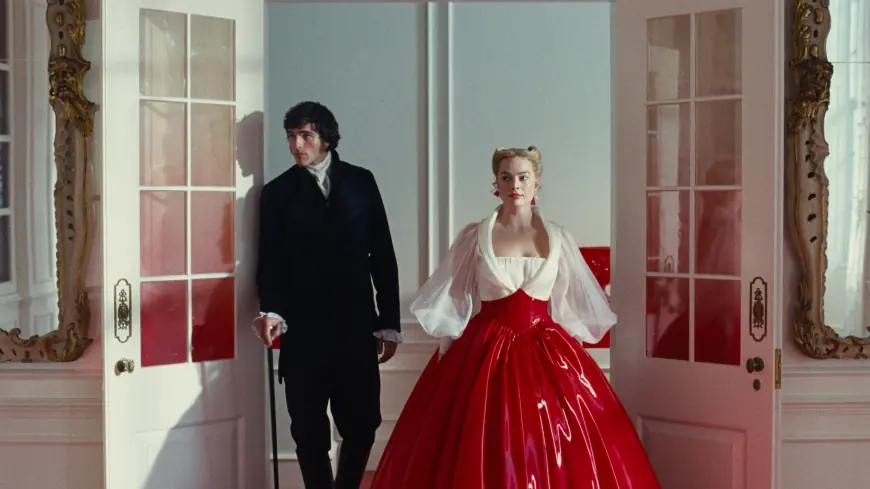
Emerald Fennell’s interpretation of Wuthering Heights arrived in theaters Feb. 14, 2026 (ET) and quickly became the center of fierce discussion. Some viewers praised the film’s glossy, kinky aesthetic and lead chemistry; others argued it strips away the novel’s moral complexity and tamps down the cruelty that makes Emily Brontë’s story unsettling and unforgettable.
What changed from the novel — and why that matters
The original novel is built on contradictions: an obsessive, destructive passion that also promises a kind of redemptive continuity across generations. The book’s capacity to be both monstrous and deeply romantic is what has made it a touchstone for readers and critics for nearly two centuries. The new film selects and amplifies a handful of those elements, favoring theatrical design, heightened sensuality and a bravura lead pairing over the novel’s pervasive squalor and moral ambiguity.
Certain brutal aspects of the source material — prolonged cycles of coercion, domestic abuse and the transmission of trauma — are present in outline but are less central in the film’s dramaturgy. Where the book punishes readers for rooting for two terrifying people who also happen to be ardent lovers, the movie often invites a different response: admiration for the couple’s looks and style rather than a sustained grappling with their culpability. That tonal shift is the core of many objections: when the monsters are softened, the novel’s most arresting feature — that love can be both annihilating and transcendent — becomes harder to find.
Audience reactions and the casting conversation
Early audience screenings and a mid-February private showing produced starkly mixed responses. Some viewers cheered and hooted at the leads’ chemistry and the film’s audacious production design, describing the experience as unexpectedly fun and sex-forward. Others found the depiction of passion dangerously romanticized, a version of the story that minimizes harm and centers spectacle over stakes.
Casting choices have been another flashpoint. The director’s decision to present the male lead as conventionally handsome and physically commanding prompted debate about the novel’s original depiction of the character as a racially ambiguous outsider. Critics of that choice argue it erases a crucial dimension of social otherness that fuels the character’s cruelty and resentments. Supporters counter that the performance and the film’s stylized approach reframe the character for contemporary audiences, emphasizing erotic magnetism and melodrama.
Why this adaptation still matters
Beyond fan squabbles, the conversation reveals how adaptations force modern viewers to choose which parts of a classic to preserve and which to reimagine. A novel that was labeled strange on publication remains strange because it resists tidy moral or emotional categorization. Filmmakers who insist they are creating a fantasia or a fragment of a larger work are making a deliberate trade: clarity and spectacle for the book’s diffuse cruelty and generational scope.
That trade will keep the film in cultural conversation. For some, the movie will be a gateway to rereading the novel with fresh questions about responsibility and desire. For others, it will be an emblem of how commercial aesthetics can domesticate difficult stories. Either way, the release has reignited debates about adaptation, aesthetics and whether modern cinema can — or should — preserve the moral nastiness that made the original so disquieting.
As the film continues its run, the dispute is unlikely to settle quickly. The core tension at play is not merely whether the movie is faithful, but whether a new, sexed-up fantasia can capture the twin forces that make the source material both repellent and unforgettable: love as ruin, and love as the miracle that sometimes survives the ruin it creates.