


















look mum no computer eurovision song: UK picks electronic inventor for Vienna

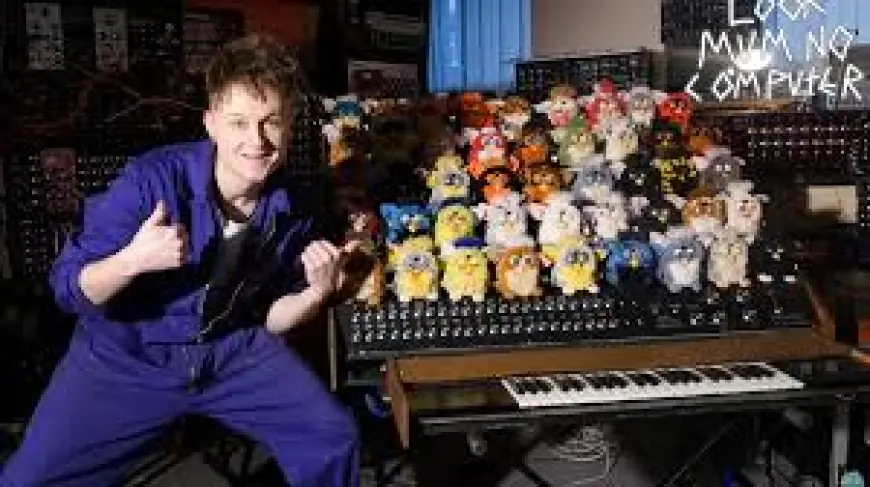
Britain has selected electronic artist and tech creator Look Mum No Computer to represent the country at this year’s Eurovision Song Contest in Vienna. The announcement casts a spotlight on an unconventional performer known for building bespoke instruments, DIY synthesiser projects and a museum dedicated to obsolete musical technology.
Who is Look Mum No Computer?
Look Mum No Computer is the stage name of Sam Battle, a musician, inventor and online creator who first emerged as frontman of an indie band in the mid-2010s. Since moving into solo work he has built a distinctive profile combining songwriting with hands-on instrument design. His portfolio includes organs made from Furby toys, Game Boy–based organs, synthesisers mounted on bicycles and even flame-throwing keyboards. He also holds a Guinness World Record for constructing the world’s largest drone synthesiser.
Based in Kent, Battle has translated his studio experiments into a live aesthetic that mixes theatre, humour and technical spectacle. He runs a small museum called This Museum is (Not) Obsolete, described as a home for experimental and obsolete scientific and musical technology, where bespoke instruments and restored gear are displayed and played.
What the entry looks like and what to expect in Vienna
Battle has not released the song title or full production details yet. He has said he is taking the assignment seriously and plans to bring “every ounce” of his creativity to the stage. Fans can expect a blend of electronic songwriting and the kind of inventive hardware he documents in his videos, with a strong visual element designed to make an impact in a crowded field.
The performer has amassed a sizable online following through long-form videos that document the process of building and performing with unusual instruments. That audience reach—more than a million followers across social platforms—gives him direct lines to fans and a platform to showcase the song and its live staging ahead of the contest in May (drawn in the usual Eurovision calendar). The broadcaster selecting the entry chose it through an internal process with industry input, and organisers have signalled they wanted a distinctive, creative act for the international stage.
Why this choice matters for the UK
The pick represents a deliberate swing toward experimentation. After several years of trying different approaches, selectors appear to have opted for risk and originality rather than conventional pop acts. That strategy aims to stand out in a competition increasingly known for genre-bending performances and theatrical staging.
Observers say the entry will test whether a tech-forward, inventor-led performance can translate across the Eurovision voting public. If staging, songwriting and production align, the unique instrumentation and visual hooks could win attention from international viewers and juries. If it falters, the move will still underline a willingness to change tack from more mainstream entries of the past.
Battle describes himself as a longtime Eurovision fan and called the opportunity “completely bonkers” but an honour. He vows to document the process and bring his live, experimental showmanship to Vienna. The song will be unveiled closer to the contest, with rehearsals and staging plans to follow. For now, the UK is betting that a DIY inventor with a flair for the theatrical can make the country’s most memorable contribution to the contest this year.