






















Tiny Stowaway Forces U-Turn: stockholm flights Disrupted After Rodent Spotted

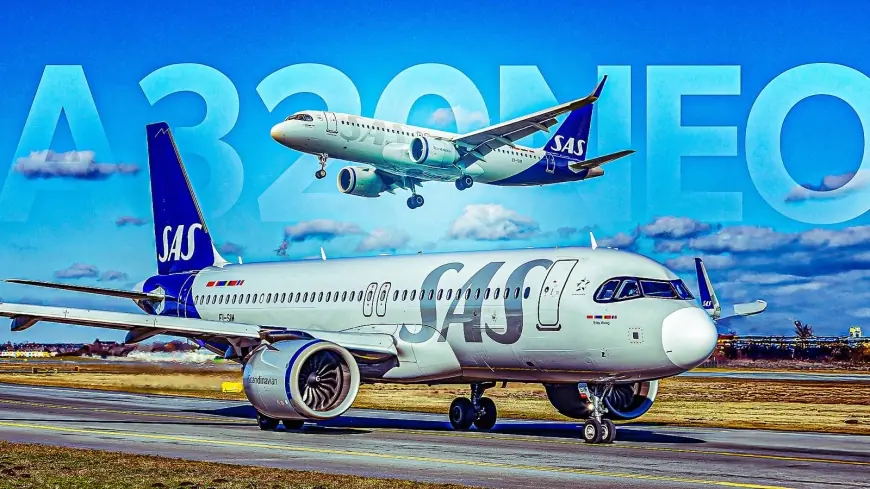
On Feb. 7 (ET) an international flight departing Stockholm was forced to return to its origin after a small rodent was seen onboard, creating a lengthy delay for holidaymakers bound for southern Spain. The airline removed the aircraft from service for inspection and arranged a replacement so passengers could continue their journey.
What happened midflight
Flight 1583, an Airbus A320neo, departed Stockholm Arlanda Airport for Malaga and was well into its crossing over northwestern Europe when passengers spotted a mouse in the cabin. The crew chose to turn the aircraft back; the jet made a U-turn over Belgian airspace and landed back in Stockholm roughly three and a half hours after its original departure.
The carrier stated it followed standard procedures and returned the aircraft to allow engineers to conduct thorough checks of the cabin, systems and relevant supplier processes. Passengers were moved onto a replacement aircraft and eventually reached Malaga, but not until several hours later than planned — the second aircraft arrived about five hours after the original scheduled landing.
Why a single mouse can ground a plane
Rodents are not merely a nuisance on board. They pose specific safety risks to aviation equipment: their teeth can gnaw through wiring and insulation, potentially compromising avionics, communications or engine-related electrical systems. Damage that starts small and hidden inside panels or cargo holds can lead to serious operational vulnerabilities or, in worst-case scenarios, electrical faults and fire hazards.
Because of those risks, flight crews and engineering teams treat any confirmed or suspected rodent presence seriously. Returning the aircraft allows maintenance crews with access to complete inspection facilities to clear the aircraft and verify no critical systems were affected before it returns to commercial service.
Passenger disruption and operational fallout
For travellers, the decision to divert produced prolonged inconvenience: a multi-hour round trip in the air that ended in a delay on the ground while a replacement aircraft was readied. Cabin crews and ground staff rebooked passengers onto the follow-up service, which departed later and reached the destination with an extended delay.
The airline also removed the affected A320neo from service for the remainder of the day while engineers completed the inspections. Flight-tracking data shows the aircraft returned to normal operations shortly afterward, indicating no lasting damage was found during the checks.
This episode follows similar events in recent months involving small mammals on board, underscoring the unusual but real operational impact of pest incursions. When incidents like this occur, airlines typically review not only the aircraft but also catering and ground-handling processes to limit any recurrence.
While rare, these occurrences spotlight an unexpected vulnerability in air transport operations. Ensuring passengers can travel safely sometimes means accepting lengthy delays on the tarmac — a small animal can, in a matter of minutes, create a chain of decisions that ripples through schedules, maintenance resources and passenger plans.