







tyra banks faces renewed scrutiny as new docuseries and an alum’s blistering rebuttal reopen old wounds

The three-part documentary Reality Check: Inside America’s Next Top Model has prompted a fresh round of criticism of Tyra Banks, who built her public profile on the early 2000s reality juggernaut. With extensive interviews from former staff and contestants, the series revisits the show’s most notorious moments — and a former contestant’s recent social-media blast adds an immediate, personal response to the program’s legacy.
Documentary pulls back the curtain on humiliation and harmful practices
The documentary assembles on-camera testimony from former judges, creative staff and dozens of past contestants, offering unusually candid recollections of the show’s inner workings. The series underscores how high-concept photoshoots and shock-value makeovers produced viral moments, but it also shows a pattern of body-shaming, humiliating challenges and decisions that left lasting emotional scars.
Interviewees describe being weighed on camera and having their bodies singled out for public critique. In several segments a contestant cast partly for perceived diversity is later mocked for her shape. Other sequences that once played as edgy television now read as exploitative: contestants pressured into shoot concepts tied to violence or posed as identities other than their own have described those experiences as painful and dehumanising. One former creative lead in the series calls a particular shoot “a mistake” and a misplaced celebration of violence, while other senior figures accept varying degrees of responsibility or distance from editorial choices.
The series is uneven in pacing — sprawling across three hours where a tighter film might have sufficed — and its energetic, fast-cut editing occasionally blunts its capacity to dwell on the moments that demand deeper scrutiny. Still, the cumulative testimony paints a consistent picture: contestants, many from disadvantaged backgrounds, were led to believe the show would open doors, only to face public humiliation and limited professional payoff. Multiple participants say they expressed distress at the time and felt pressured to continue despite discomfort.
Former contestant’s public attack revives a viral confrontation
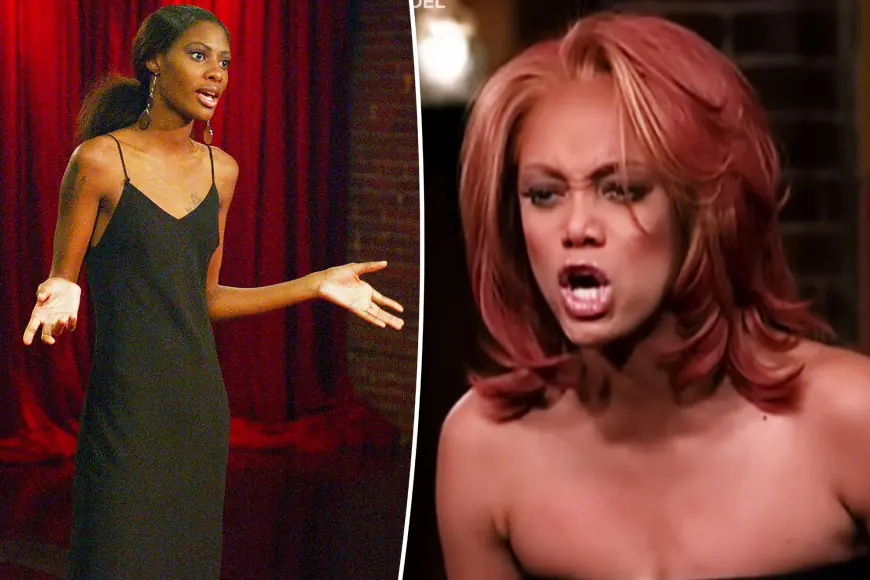
Adding fuel to the current debate, an alum from an early cycle used social media to excoriate Banks, revisiting their heated on-set confrontation that became one of the show’s most enduring viral moments. The alum accused Banks of sustained bullying both on and off camera and disputed how the encounter was later edited and framed.
Banks is shown in the documentary reflecting on that clash, acknowledging she “went too far” and characterising the outburst as tied to a larger set of pressures and identities she felt she was defending at the time. Other former staff offer recollections of the incident as among the most fraught moments on set and say production intervened immediately afterward. The exchange between host and contestant, once a single clip traded as a meme, is recontextualised in the series as symptomatic of wider tensions within the show’s culture.
What the reckoning means for a cultural touchstone
The renewed attention forces a broader question about the show’s legacy: was it a democratising force that opened modelling to a wider range of women, or a highly produced format that replicated industry harms while monetising contestants’ vulnerability? Participants in the series — and the alum who recently spoke out — suggest it was often the latter.
Those who worked on the show express varying degrees of contrition and distance. Some acknowledge missteps and the gap between intent and impact; others appear less attuned to individual harms described by former contestants. For viewers who grew up with the series and younger audiences encountering it now, the documentary functions as a long-overdue reality check: a reminder that television’s most memorable moments often come at a human cost, and that revisiting them requires more than viral clips and punchy soundbites.
The conversation opened by the series and the alum’s renewed statements is likely to persist as former contestants press for fuller acknowledgement of their experiences and as the cultural assessment of early reality television evolves.