














Year of the Fire Horse ushers in intense prospects for lunar new year

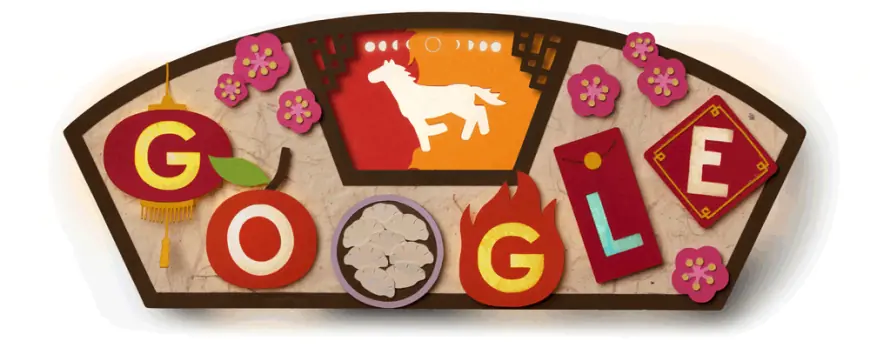
The lunar new year has opened a rare chapter in the Chinese zodiac: the Year of the Fire Horse. Long steeped in metaphysical tradition, this once-every-60-years combination is being framed as a period of heightened energy, fast change and amplified personalities — as celebrations across Asia unfold and commentators advise caution alongside optimism.
What the Fire Horse means in the zodiac
The Chinese zodiac pairs a 12-animal cycle with five elemental forces — wood, fire, earth, metal and water — each appearing in yin and yang forms to create a 60-year rotation. When the horse is matched with the fire element, the result is commonly described as a turbocharged version of the horse’s traits: dynamism, independence and a readiness to lead. Those born under horse years are traditionally viewed as forthright, quick-thinking and eloquent, while fire intensifies those qualities into marked drive, passion and sometimes impatience.
Practitioners of feng shui and Chinese metaphysics caution that the Fire Horse’s energy is double-edged. The element’s heat can foster creativity, rapid development and bold leadership but also risk instability if momentum is unchecked. Observers point to the last Fire Horse year in 1966 — a momentous year tied to political and social upheaval — as evidence that this zodiac pairing often coincides with turbulent periods on both personal and national levels.
Celebrations, modern twists and cultural notes
The lunar new year is a 15-day festival that moves with the lunar calendar; the period of observance falls between January 21 and February 20 each year (ET). Across the Asia Pacific, festivities range from traditional temple rites and ancestral offerings to citywide parades, dragon dances and family feasts. Food maintains a central role: in some countries families prepare sticky rice cakes, whole boiled chickens symbolizing completeness, and tossed salads that are shared as communal wishes for prosperity.
Modernity is reshaping rituals. Technology and entertainment have become visible parts of celebrations, with humanoid robots appearing in variety shows and gala performances in recent events. This blend of ancient symbolism and contemporary spectacle highlights how the lunar new year continues to evolve while keeping its core emphasis on reunions, renewal and aspirations for the year ahead.
Navigating a high-energy year: risks and opportunities
Commentators advise that the Year of the Fire Horse will reward deliberate direction of energy. Practitioners recommend slowing before major decisions, cultivating emotional steadiness and channeling passion into sustained plans rather than impulsive moves. Left unchecked, the amplified force of fire can produce recklessness or burnout; managed well, it can accelerate projects, leadership breakthroughs and rapid innovation.
Economically and culturally, sectors tied to movement, heat and rapid change — including technology, finance, transportation, energy and entertainment — may feel the year’s momentum most strongly. The fire element’s association with heat and motion suggests faster cycles, intense competition and sudden pivots in markets and public life. Historical patterns point to a mix of disruption and growth: breakthroughs and heated development can sit beside volatility and contestation.
For many who celebrate, the message is pragmatic: harness the Fire Horse’s drive without letting it run unchecked. Families will mark the festival with time-honored dishes and gatherings, while communities watch closely for the ways the year’s intensified rhythm will shape politics, business and culture. Whether the months ahead deliver bold progress or sharp upheaval will depend largely on how individuals and institutions choose to channel the fire’s force.