








Hollywood Farewell: robert duvall’s Scottish football fling and a friendship that shaped careers

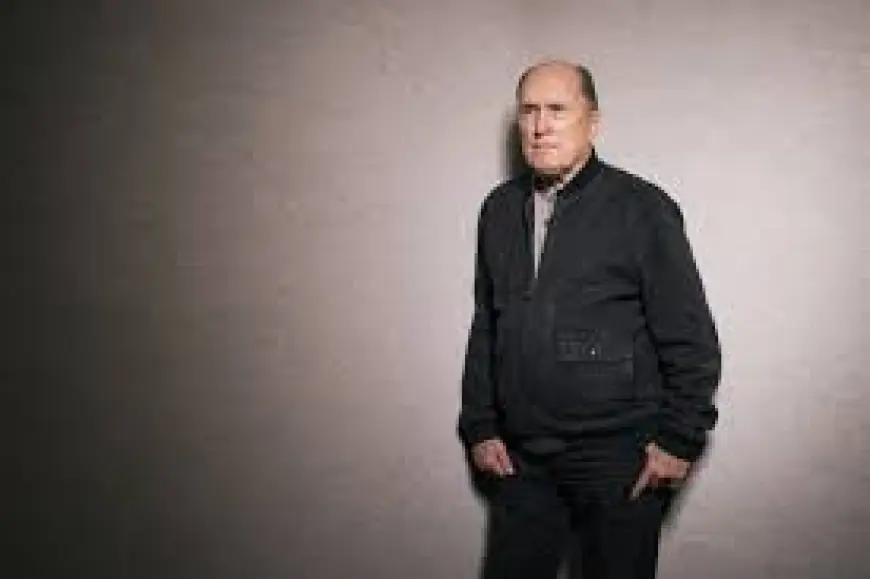
Robert Duvall’s death earlier this week prompted memories of two striking sides of the actor’s life: an unexpected, almost romantic devotion to Scottish football that brought him to small-town grounds, and a private generosity that turned up-and-coming creatives into lifelong collaborators. Both themes have surfaced in tributes and recollections as admirers and colleagues reflect on a long, restless career.
A Hollywood star at the gates of Scottish football
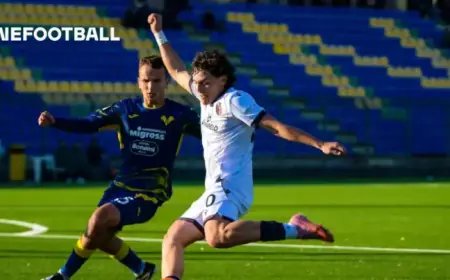
One of the more curious episodes in Duvall’s filmography saw him embrace a story steeped in the atmosphere of Scottish club football. In the late 1990s he arrived in Scotland to make a picture about a fictional team’s improbable cup run, steps that took him from national stadiums to the touchlines of provincial grounds. The project placed him alongside a well-known former striker who played the lead player role, and it turned routine matchdays into filming events that drew thousands of local spectators.
Local journalists and fans still recall the surreal sight of an Oscar-winning American pacing the sidelines at grounds that rarely hosted celebrity visitors. He visited stadiums such as Palmerston Park to see if they matched a director’s vision, and returned the following season to shoot scenes that turned a small town into the set for a football fable. For many supporters the memory is not about the critical reception of the finished film, but the sheer novelty of seeing a screen legend engage with the game as a fan and participant. Those matchday crowds — attempts at overhead kicks captured over and over for cinematic takes — were emblematic of his willingness to immerse himself in an unfamiliar culture in pursuit of authenticity.
A private mentor and model of restraint
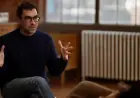
Beyond the kits and stadium lights, recollections have highlighted Duvall’s influence on other artists. Years after a civil-war set encounter, a young actor and future filmmaker described how a single invitation to dinner turned into a decades-long friendship. That relationship, he says, changed the course of his career: a quiet appraisal of an early performance, followed by a clear nudge to write, ultimately helped catalyze a celebrated film about a down-and-out musician.
Those close to Duvall portray him as someone who prized truth in performance and offered terse, incisive guidance rather than wide-ranging praise. He defended craft fiercely and rewarded honesty with mentorship. Colleagues recall a soft, unmistakable voice that could both steady and expose an actor, and the sort of simple encouragement — you didn’t push the emotion — that gave others permission to trust restraint and stillness. He also modelled artistic independence by writing and producing personal projects, leaving a blueprint for actors who wanted to take creative control of their work.
Taken together, these memories sketch a picture of an artist who combined curiosity with rigour: a man who would fly across an ocean to walk a muddy pitch and who would quietly sit down with a nervous young performer to suggest a different path. The football film may not be the peak of his craft in the eyes of critics, but for those small communities it left an indelible, affectionate mark. For the filmmakers and actors he mentored, his influence can be measured in careers redirected and creative risks taken.
In the wake of his passing, those disparate threads — the touchline wanderer and the private mentor — offer a fuller sense of a complex career. His work introduced generations to characters who wore their truths badly and beautifully; his off-camera generosity helped others tell their stories. For fans in stadium stands and protégés in rehearsal rooms, those contributions are what linger now.