



















dire wolf siblings Romulus and Remus hit new milestones as pack matures

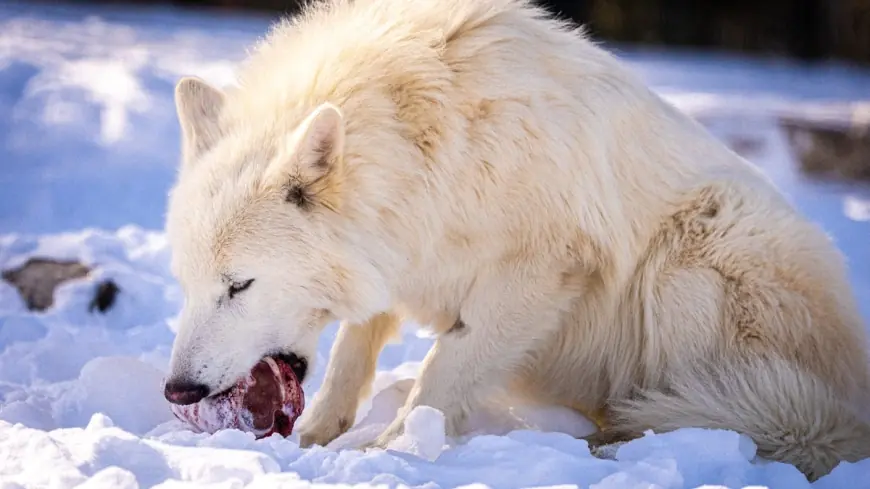
Two of the first modern-era dire wolves have moved past their puppy phase and into active pack life. Born Oct. 1, 2024 (ET) from fertilized dire wolf eggs implanted into surrogate dog mothers, the males—named Romulus and Remus—are now around 16 months old and are showing key developmental changes as they learn to hunt, feed and live together with a younger female companion.
Growing up on the preserve: size, diet and milestones
Romulus and Remus are continuing to fill out but will not reach full physical maturity until roughly age three. Care staff note distinct physical differences between the brothers: Romulus is broader and stockier, while Remus is a bit taller and lankier. Those differences are already influencing how the pair moves and interacts on the landscape.
A recent feeding marked a notable step in their maturation: the pair was allowed to dine on a deer carcass for the first time. That meal followed smaller hunting practice runs and earlier attempts at small prey; the animals have been catching rodents and rabbits that enter their enclosure. Staff describe hunting ability as developing quickly—effective at pursuit but still refining the killing technique that adult predators display.
Behavioral notes and safety considerations
Handlers emphasize that, while the young dire wolves are calm with caretakers who feed them, they do not behave like domestic dogs. "They are wolf, " said the manager of animal husbandry. The team cautions that wild predatory instincts remain strong: sudden movement in the enclosure would trigger pursuit and a rapid, predatory response if a human were present in the animals' territory.
Interactions between the animals and staff rely on careful protocols. Familiarity from routine feeding makes the wolves tolerant of human presence, but the animals’ responses to unfamiliar stimuli—running figures, fast motions—remain those of a large wild canid rather than a pet. This mix of trust and wild instinct is a constant focus of the care team's daily work.
Pack dynamics and what comes next
The two males now share their preserve with a female named Khaleesi, who was born in January 2025 (ET). The three are being monitored as a developing pack and have been observed playing and testing social bonds in supervised settings. Bringing multiple individuals together is part of a planned effort to study natural behaviors in a managed habitat.
Staff members say more pups are in development as part of a longer-term plan to expand the group. Observers will continue to track growth, hunting proficiency and social structure as the animals age toward adulthood. The preserve—spanning more than 2, 000 acres—offers space for the wolves to hone hunting techniques while enabling caretakers to maintain safety and oversight.
As Romulus and Remus mature, their progress will be watched both for animal welfare and for insights into how revived or closely reconstructed species behave when reintroduced into large, semi-natural areas. For now, the focus remains on responsible husbandry: measured feeding, controlled social introductions, and a steady path toward independence within the pack.