

























Short Program Sets Stage for womens figure skating medals as Liu Leads U.S. Hopes

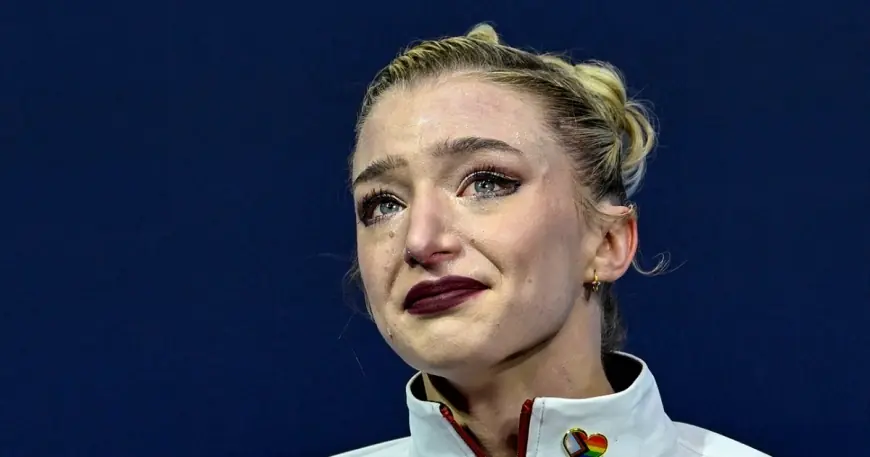
The short program reshaped the leaderboard and tightened the race for womens figure skating medals, with Japan’s top two skaters narrowly ahead and Alysa Liu anchoring Team USA’s hopes in third. Isabeau Levito delivered a polished Olympic debut and sits inside the top 10, while Amber Glenn’s costly error pushed her down the standings and left her fighting for a comeback in Thursday’s free skate (ET).
Alysa Liu’s calm performance puts the U. S. in contention
Liu produced one of the day’s cleanest short programs, completing a high-difficulty triple lutz–triple loop combination on her way to a score of 76. 59. Her performance drew praise for its fluidity and technical ambition; she emphasized a composed mindset after the skate, saying she felt confident and that being on the ice mattered most. Liu’s short program positions her as the United States’ best shot at reclaiming Olympic gold in women’s singles — a title the U. S. has not held in more than two decades.
Podium picture: slim margins at the top
The top of the leaderboard is tightly packed. Ami Nakai leads with a 78. 71, followed by Kaori Sakamoto at 77. 23. Their narrow advantage over Liu means the free skate will be decisive: technical content, under-rotation calls and program components can flip the standings quickly. Isabeau Levito, whose routine showcased strong spins and confident presentation, sits eighth and has room to climb with a strong free skate. The current order leaves the door open for both favorites and dark horses to challenge for womens figure skating medals on Thursday (ET).
Redemption and risk: what to watch in the free skate (ET)
Free skates typically reward stamina, consistency and willingness to include high-value elements. For Liu, maintaining clean landings and preserving her signature combinations will be key. Levito can move up by delivering a technically solid long program with clean spins and step sequences to boost her program components score.
Amber Glenn’s short program ended in tears when a triple loop was marked invalid after she landed a double loop, costing her points and dropping her to 13th. She did land a triple axel earlier in the routine, showing the front-end difficulty that can vault skaters up the ranks if clean. Glenn has the chance to recover with a strong free skate, but she’ll need to manage risk carefully: high-scoring jumps can produce big lifts in the standings, while errors are costly.
Judges will be watching jump rotations, edge calls and levels on spins and sequences closely. With several competitors separated by fractions of a point, even small grade-of-execution differences could decide who stands on the podium. Skaters who choose ambitious technical layouts will gamble for higher reward; those who skate conservatively and cleanly can capitalize on mistakes by others.
Thursday’s free skate (ET) will resolve much of the suspense. Expect an emotional, strategically layered contest as skaters weigh risk and execution in pursuit of womens figure skating medals. Team positions and personal narratives will hinge on how competitors handle the longer program under Olympic pressure.