














Vinicius halts match after alleged abuse from prestianni as debate over racism in football intensifies

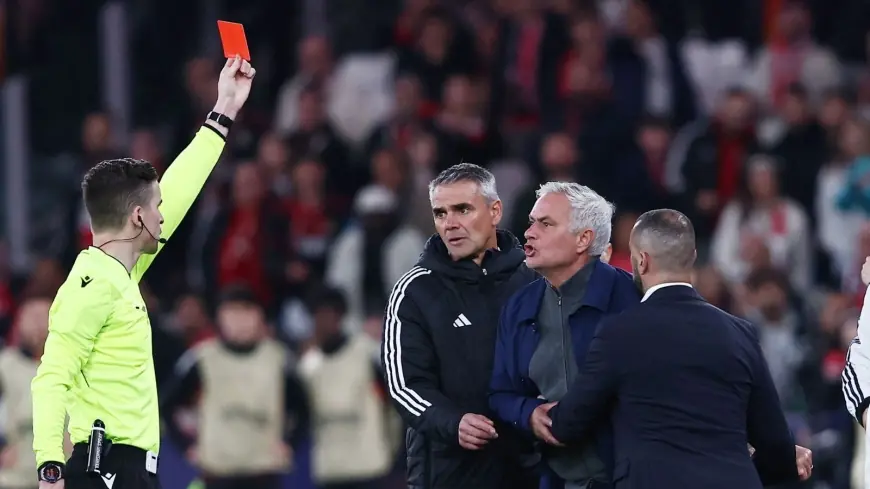
Real Madrid forward Vinicius Jr walked off the pitch and forced a 10-minute stoppage on Tuesday (ET) after alleging he was racially abused by Benfica player prestianni. The incident — which the forward says is the 20th such episode he has faced in eight years at the club — has generated sharp reactions from players, former professionals and commentators and reopened an argument about how the sport responds to racism.
Match interruption and immediate reactions
The Champions League play-off tie at the Estadio da Luz was paused for roughly 10 minutes after Vinicius reported an incident involving prestianni. The 25-year-old had earlier scored a moment of individual brilliance that many praised, but celebrations were overshadowed when he said an opponent used a racial slur. prestianni denies the allegation and says he was misunderstood.
Teammates rallied around Vinicius. One high-profile colleague said he heard the term multiple times, amplifying the squad's public support for the Brazilian. The accused player retains the right to a full and impartial process as football authorities consider the claims and any potential disciplinary steps.
Benfica's manager publicly suggested Vinicius could have handled the situation differently, framing the episode as partially provoked by the striker's celebration. Those comments have been criticised by former players and observers who say they deflect from the seriousness of alleged racial abuse and place blame on the victim for expressing anger and distress.
Wider fallout and the recurring pattern
Observers and commentators have pointed to a wider pattern: Vinicius has repeatedly been the target of racial abuse during his time in Europe, and this latest accusation marks the 20th such claimed incident. That history has turned the forward into a symbol in the fight against discrimination on the pitch, but it has also placed him at the centre of a media narrative that often questions his reactions while too rarely confronting the alleged perpetrators.
Several voices in the football community have criticised the tendency to treat racism as a reputational risk rather than a lived reality that affects players every week. Some analysts argue the public debate often gets bogged down in demands for incontrovertible proof, calls to avoid hasty judgments and concern for the accused’s future. Critics say that framing shifts attention away from the immediate harm caused to the target and the systemic problems that allow such episodes to recur.
Former professionals have been particularly blunt in their assessments, saying that comments which suggest a victim 'should have behaved better' are both tone-deaf and damaging. Supporters of Vinicius stress that celebrating a spectacular goal should never be conflated with inviting abuse, and they call for governing bodies to deliver transparent, decisive action when allegations arise.
What comes next: investigations and consequences
Football authorities will need to conduct a thorough review of the incident, weighing video, audio and witness testimony before determining whether rules on discrimination and player conduct were breached. Disciplinary options for proven racist behaviour can be severe, including multi-match bans, but any sanction depends on the strength of the case built by prosecutors and investigators.
Beyond punishments, many voices pressed for cultural change: clearer stadium protocols, robust education programmes, and a refusal to normalise or excuse abuse as part of fandom. For Vinicius, the immediate concern is personal safety and dignity; for the game, the challenge is whether it will move beyond ritual condemnation and implement measures that actually reduce, rather than repeatedly highlight, these episodes.
As the post-match debate continues, the clash in Lisbon stands as another test for football's institutions — and a reminder that a spectacular goal should not have to be followed by a fight to be treated with basic respect.