




















isabeau levito practices ahead of her Olympic free skate

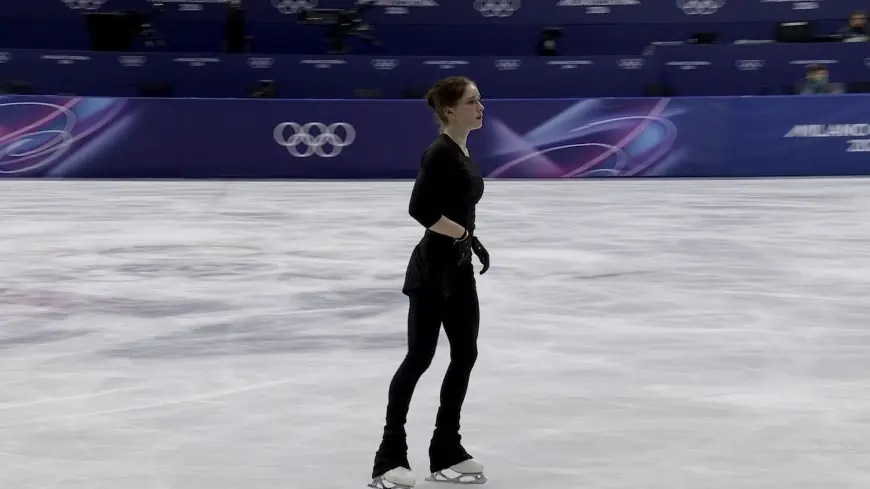
Isabeau Levito, the 18-year-old American making her Olympic debut, spent a focused practice session on the ice as she prepared for the free skate portion of the women's figure skating event. With the team event behind her and the women's short program set to begin on Tuesday, Feb. 17, 2026 ET, attention has shifted to Levito's bid for an individual podium finish.
On-ice prep: polishing the free program
Levito used the practice session to run elements and sharpen transitions in her free program, emphasizing consistency and musical timing. Coaches and choreographers typically lean on these sessions to fine-tune jump entries, spins and footwork sequences; Levito's team prioritized clean takeoffs and secure landings while maintaining the performance intensity that her choreography demands.
For a young skater in her first Olympic Games, these runs are as much about building rhythm and confidence as they are about technical work. Skaters often alternate full run-throughs with isolated reps of risky combinations to protect against fatigue and injury while keeping the body in competition mode. Observers noted Levito appeared composed and methodical, focusing on the core elements that will carry the program's base value and component score.
Context and stakes: from team gold to individual ambitions
The United States entered the competition buoyed by success in the team event, and that momentum now turns to the individual women's field. Levito joins teammates Amber Glenn and Alysa Liu—often referenced together as a close-knit trio—as they aim to convert team success into individual medals. For Levito, the Olympics represent a major milestone at age 18: a chance to test her long program under the brightest spotlight of her young career.
The broader narrative adds urgency. The United States has not stood on the Olympic podium in the women's singles event since 2006, and the last American Olympic gold in the discipline came in 2002. That history frames every skate for American contenders and elevates expectations around consistency, technical ambition and presentation.
What to watch in the free skate
Key indicators for Levito's free skate will be her jump content and stamina across the program. Judges reward not only the difficulty of jumps and combinations but also how cleanly they are executed and how well they fit into the musical and choreographic flow. Spins and step sequences contribute to the program components score, so maintaining performance quality between jumps is essential.
Beyond elements on the technical sheet, the Olympic setting tests mental resilience. Managing adrenaline, reacting to the crowd, and delivering under a compressed schedule are part of what separates podium contenders from the rest. Levito's practice work suggests a focus on calm repetition and steady run-throughs designed to simulate competition pressure while keeping the body fresh for the event itself.
With the women's short program slated for Feb. 17, 2026 ET, Levito's free skate will follow as the competition unfolds. Fans and judges alike will be watching whether the 18-year-old can translate practiced precision into a polished Olympic performance that pushes her into contention for an individual medal.




![Florida Panthers Face Off Against [Team Name] on April 4, 2026](https://www.filmogaz.com/uploads/images/202604/image_430x256_69d2395a47e1f.webp)