
























irs shutdown risk could slow some refunds — what taxpayers need to know

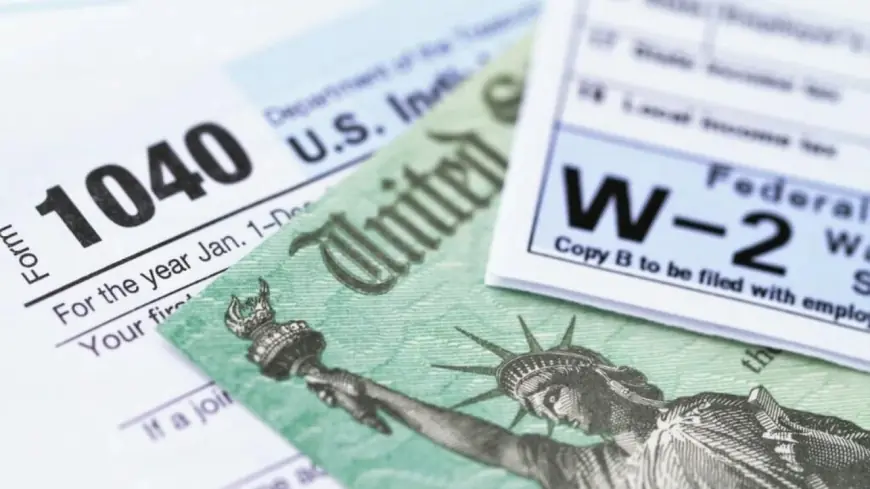
As tax season approaches, a partial federal shutdown raises fresh concerns for households counting on refunds. Automated systems that process most returns remain active, but staffing reductions and legally mandated verification for certain credits can lengthen wait times. Here’s how the process works and what taxpayers can do to avoid unnecessary delays.
How a shutdown can affect federal refunds
The Internal Revenue Service’s automated processing systems continue to operate during a partial shutdown, so electronically filed returns with direct deposit and no errors generally move through the system within the standard 21-day window. That means many taxpayers who e-file and use direct deposit should still see refunds on a familiar timetable.
Problems typically arise when a return requires manual review. Staffing levels are often reduced in a shutdown, and returns pulled for human verification can sit longer than usual. By law, refunds that include certain refundable credits — most notably the Earned Income Tax Credit (EITC) and the Additional Child Tax Credit (ACTC) — must undergo extra checks before funds are released. Federal rules also require the IRS to hold refunds tied to those credits until mid-February 2026 (ET) even if a return is filed early.
Other situations that commonly prompt manual intervention include returns with identity verification questions, suspected errors, or attached forms such as Form 8379 (Injured Spouse Allocation). Those returns can be delayed regardless of whether a shutdown is in effect, and a staffing shortfall makes the backlog harder to clear.
Separately, recent tax-law changes promoted by the administration have been presented as likely to boost refunds for many filers. Provisions cited include altered tax treatment for tips, certain Social Security benefits, overtime pay, and new deductions. While those changes could increase refunds for some taxpayers, they do not eliminate the verification steps required for refundable credits that typically trigger holds and manual reviews.
What taxpayers should do now to avoid delays
Take these practical steps to reduce the odds of a holdup and to track any movement on your refund:
- File electronically and choose direct deposit. Electronic filing paired with direct deposit remains the fastest route for refunds that don’t require extra checks.
- Double-check identifying information. Simple errors in Social Security numbers, names, or bank account details are common causes of manual review and returned deposits.
- Know which credits trigger holds. If your return claims the EITC, ACTC, or includes Form 8379, expect additional verification and potential delays through mid-February 2026 (ET).
- Use the IRS “Where’s My Refund?” tracking tool. The tool updates once daily and usually reflects status changes within 24 hours of e-file acceptance. Check it before making any call to the agency.
- Wait before calling. If more than 21 days have passed since your return was accepted with no status change, use the tracking tool first. If there’s still no movement after four to five weeks, contact the IRS directly to inquire.
- Watch out for scams. Tax season brings heightened scam activity. The IRS will not demand immediate payment over the phone or by text, and unfamiliar contacts requesting personal or financial data should be treated with extreme caution.
Finally, state tax systems operate independently of federal staffing decisions. For example, taxpayers in Oklahoma can check their state refund through the state’s portal. If you’re unsure whether a delay is federal or state, consult your state tax agency’s online tools or guidance.
For many households a refund is an important financial lifeline. Filing accurately, choosing electronic options, and monitoring the official tracking tool are the simplest ways to reduce the risk of added delays if a partial federal shutdown limits staffing hours for manual reviews.