






















Being gordon ramsay review — did we really need six hours of him setting up restaurants?

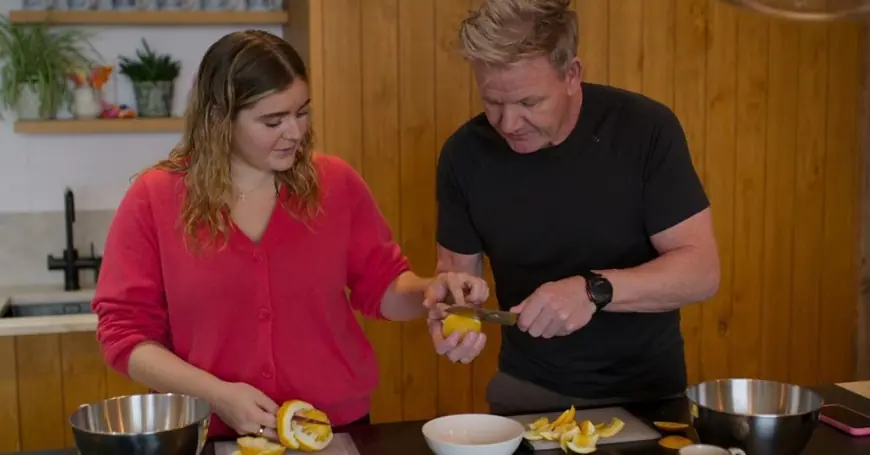
The six-part documentary follows a familiar figure as he attempts one of the most ambitious restaurant launches of his career: five distinct businesses across the top floors of a London tower. Clocking in at roughly six hours, the series blends intimate family access with granular footage of menu tastings, design squabbles and the kind of last‑minute crises that define large-scale openings. The question for viewers is whether the breadth of detail justifies the runtime — or if much of it functions as an extended piece of self-promotion.
A lavish, high-risk launch mapped in excruciating detail
The project at the heart of the series is substantial. Over 27, 000 square feet on the upper floors of a City skyscraper are set to house a rooftop garden with a retractable roof, a 250-seat Asian-inflected restaurant called Lucky Cat, a branch of a well-known brasserie concept, a private dining proposition and a culinary academy. The endeavour carries a reported multi-million-pound price tag that the chef says he is funding personally with bank backing. Stretching a single opening across five distinct hospitality models makes for plenty of drama: construction delays, design disputes, prototype menus that won’t behave and the small, obsessive choices — like apron pocket placement or whether leather seating looks too worn after a week — that will determine how each venue feels to guests.
The camera lingers on those details, sometimes to the series’ benefit. Watching teams iterate on a rum baba’s size so it aerates correctly or witnessing a tense tasting where a canapé is dismissed in blunt terms shows how much of restaurant success rests on tiny, technical decisions. But the same focus also exposes the show’s promotional impulse. Much of the footage doubles as a behind-the-scenes sales pitch: polished rehearsals, strategic influencer invitations and rooftop parties staged before the dust has fully settled.
Family access softens the hard edges
Intercut with the frantic, all-hands-on-deck world of openings are scenes of home life that aim to humanise. The chef’s interactions with his wife and six children are a reminder of the private man beneath the public persona: playful breakfasts turned critique of pancake thickness, family preparations for weddings and the blurred line between parenting and mentoring for children already working in the business. Those quieter moments give the series heart, showing a man who can be disarmingly tender and whose perfectionism appears to be driven as much by fear of loss as by ego.
The programme doesn’t shy away from personal history either. Viewers see reflections on a childhood marked by financial precarity and the fear that success could be lost — material that helps explain the compulsive drive behind constant expansion. This psychological thread is one of the series’ more compelling throughlines: the idea that relentless work can be both a refuge and a trap.
Too much of a good thing — and not always illuminating
Six hours allows for rare operational depth, but also exposes repetition. Multiple episodes revisit the same design arguments and staffing headaches from slightly different angles until the novelty wears thin. The series often reads as an extended branding exercise; executive interference, staged interviews and the presence of production crews are never far from view, which makes it hard to fully trust the spontaneity of some scenes. Yet for viewers fascinated by hospitality mechanics, there is a lot to learn: how menus are calibrated, how service flow is plotted and how reputation management becomes part of launch strategy.
In the end, the documentary is best judged by what you expect from it. If you want quick-fire television, sharp critique and the messy unpredictability of new restaurants on condensed terms, this is overlong. If you crave a methodical look at what it takes to open multiple dining concepts simultaneously — and you don’t mind a fair bit of self-promotion — it delivers useful, sometimes engrossing material. Either way, the series confirms that for its subject, quitting is never really an option: even when surrounded by luxury and success, the engine that drives him keeps revving.