























Why james talarico's interview triggered an FCC equal-time confrontation

A high-profile interview with Texas state representative james talarico set off a chain of events this week that underscores tensions between broadcasters, regulators and talent. Network legal teams warned that airing the segment could invoke the century-old equal-time rule, a government letter from the agency's chair heightened concern, and a late-night host publicly defied the network's guidance by publishing the conversation online.
How the equal-time rule entered the fray
The equal-time rule requires that when a broadcast station provides time to one political candidate, it must offer equivalent opportunities to other legally qualified candidates for the same office. Historically, there has been a longstanding exemption for bona fide news programming, which has allowed interviews on entertainment and talk shows to proceed without triggering the requirement. That precedent has been relied on for decades by producers booking politicians across formats that are not strictly traditional news broadcasts.
But earlier this month (ET), the Federal Communications Commission issued a notice calling into question whether interviews on many late night and daytime talk programs would still fall under that exemption. The agency's chair followed with a written communication to at least one broadcaster raising concerns about compliance, signaling a shift in enforcement posture that left executives and legal departments scrambling to reassess long-settled assumptions about candidate appearances.
Network caution and the host's response
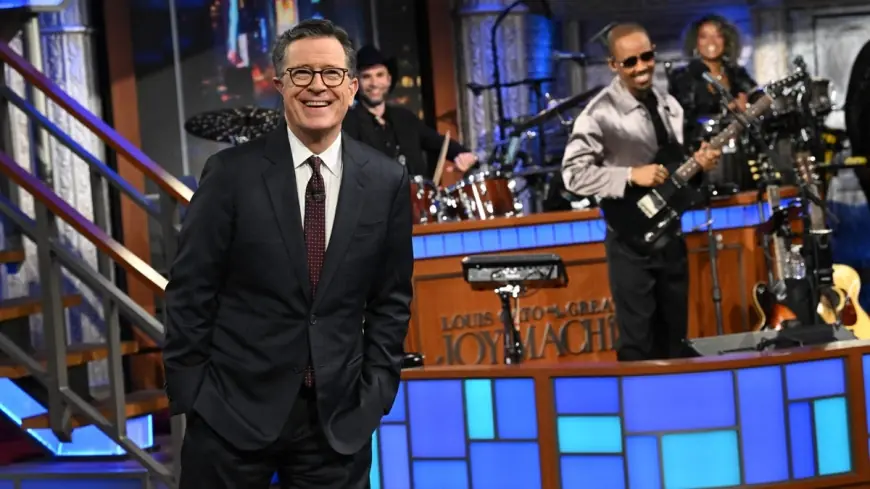
In the immediate wake of the agency's letter, network lawyers advised their late-night operations that airing an interview with james talarico might require providing equal time to other candidates, including additional members of the same race. That guidance prompted a decision by network leadership to counsel against broadcasting the interview as part of the televised program this week; the host pushed back, publicly calling out the intervention and asserting editorial independence.
When the network's advice prevented the segment from airing in its scheduled slot, the host chose to make the interview available through his show's online channels. The move highlighted a growing reality: when traditional broadcast avenues are constrained, content can still reach audiences through digital distribution, complicating regulator intentions and enforcement mechanisms. The public disagreement also intensified scrutiny of how much influence a regulator's nonbinding communications exert over editorial decisions at major networks.
What this means for media independence and campaigns
The dustup over james talarico's interview is more than a single programming dispute. It raises immediate questions about whether regulatory pressure can chill coverage or shape what broadcasters feel safe airing—especially in a charged political environment where both parties have criticized major media institutions. Legal teams at broadcast outlets are now weighing the risk of potential enforcement actions against the reputational and commercial consequences of limiting on-air political discourse.
For campaigns and candidates, the incident serves as a reminder that booking appearances on prominent shows can now carry unpredictable downstream effects. Producers must now consider not only editorial fit and audience reach, but also the possibility that a regulatory inquiry could alter distribution plans at the last minute. That creates practical headaches for campaigns trying to reach voters and for programs seeking to maintain a mix of commentary, entertainment and public affairs content.
Ultimately, the confrontation over the interview spotlights a fraught intersection: age-old broadcast regulation, newly assertive oversight, and a media ecosystem where digital distribution limits how much a network can control what viewers see. As networks, hosts and regulators navigate these tensions, the outcome will shape not only where and how candidates appear, but also how resilient editorial independence is in the face of regulatory pressure.