























Tyreek Hill Released by the Miami Dolphins: Injury Fallout, Contract Numbers, and What the Move Means for NFL News in 2026

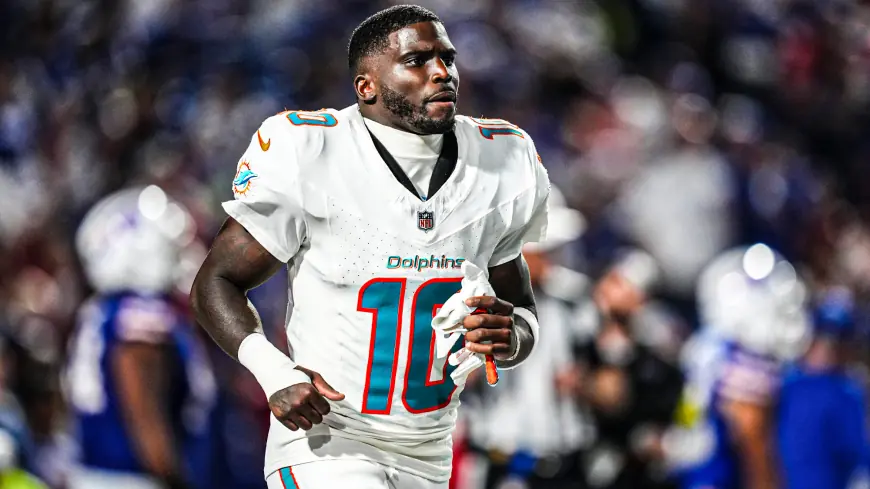
Tyreek Hill is no longer a Miami Dolphin. Miami released the star wide receiver on Monday, February 16, 2026, a franchise-altering decision that ties together two realities at once: Hill’s recovery timeline after a major knee injury and the Dolphins’ urgent need to reshape their 2026 salary-cap picture ahead of the new league year on Wednesday, March 11, 2026.
For fans searching “Tyreek Hill released,” “Tyreek Hill injury,” and “Tyreek Hill contract,” the headline is simple, but the implications are messy. Miami is moving on from one of the league’s most explosive playmakers while he is still rehabbing, and Hill is entering free agency with medical questions that will heavily influence both his market and his next contract structure.
What happened: Tyreek Hill released by Miami
Miami made Hill’s release official on February 16, 2026. The transaction was tied to his medical status, with the team listing him as a failed physical. In practical terms, that signals the Dolphins were not willing to carry his contract into the next league year while he continues rehab from a significant knee injury.
This is not a quiet, routine cut. Hill has been a centerpiece of Miami’s offense since arriving in 2022, and moving on from him is an unmistakable “reset” move that reshapes how defenses will treat the Dolphins’ passing game in 2026.
Tyreek Hill injury: what we know about the knee situation
Hill’s release is inseparable from the injury. He suffered a dislocated knee and a torn ACL early in the 2025 season and underwent surgery. The recovery arc for an ACL is typically measured in months, and even when a player returns, performance and durability can lag behind the calendar.
That is why the “Tyreek Hill injury” question now functions as a free-agency question: teams will want the same thing before they commit meaningful money or guarantees, which is clarity on his readiness for football activities, his projected return-to-play window, and how confident doctors feel about lateral burst and top-end speed returning.
There is also a second layer here: when a player’s game is built on acceleration and cutting, medical risk isn’t abstract. It’s directly tied to the skill that makes him special.
Tyreek Hill contract: why Miami made the move now
Miami’s decision is fundamentally a cap-and-timing play.
The release is expected to free roughly $22.8 million in 2026 cap space while leaving about $28.25 million in dead money on the books. That’s a painful financial tradeoff, but it can still be rational if the team believes the alternative is worse: carrying a massive number into March while Hill’s health remains uncertain and other roster needs remain unresolved.
This is also why the phrase “ahead of guarantees” keeps popping up in fan chatter. In many big contracts, dates in March trigger roster bonuses or injury guarantees. Teams often make decisions before those dates to avoid converting uncertainty into locked-in cash.
Behind the headline: incentives, stakeholders, and why this became a flashpoint
This isn’t just about one player. It’s about leverage, timelines, and risk tolerance.
Miami’s incentives:
-
Regain cap flexibility before the new league year
-
Avoid rolling injury uncertainty into guaranteed money
-
Rebalance an offense that has leaned heavily on elite speed
Hill’s incentives:
-
Prove health as quickly and safely as possible
-
Hit the market before teams spend their top dollars elsewhere
-
Find an offense that will feature him, not rotate him
Stakeholders who feel the impact immediately:
-
Miami’s quarterback and offensive staff, who must redesign the passing game without a coverage-altering threat
-
The remaining receiver room, which will inherit targets and tougher defensive looks
-
Rival teams, which may see a rare opportunity to add top-end speed without a trade package
Second-order effects are real. Miami’s move can shift draft strategy, free-agency priorities, and even how opponents game-plan Miami’s offense. For Hill, the release can compress his timeline: he now has to be ready not only to return, but to pass a new team’s physical and convince decision-makers he’ll be available when games matter.
What happens next: realistic scenarios for Tyreek Hill and the Dolphins
-
Short-term, incentive-heavy contract
Trigger: teams want upside but won’t assume medical risk with full guarantees. Expect a deal with per-game roster bonuses, playtime escalators, and performance triggers. -
A delayed signing into late spring or summer
Trigger: Hill’s rehab timeline may push teams to wait for clearer medical checkpoints before committing. -
A contender takes the swing
Trigger: a team with cap room and a stable quarterback may decide the upside is worth it if doctors project a clean return. -
Miami replaces speed by committee
Trigger: instead of one dominant field-tilter, Miami spreads the role across multiple receivers, motion packages, and quicker timing concepts. -
Miami targets a new primary receiver through the draft or early free agency
Trigger: the offense still needs someone defenses fear, even if the profile is different from Hill’s game-breaking style.
Why it matters in NFL news right now
Tyreek Hill’s release is one of those rare moves that changes two markets at once: the Dolphins’ roster construction and the league’s wide-receiver landscape. Miami is betting that cap flexibility and roster balance matter more than holding a star through rehab. Hill is betting that his rehab will speak louder than a transaction label and that teams will still pay for the possibility of getting one of football’s most dangerous weapons back at full speed.
The next major turning point comes as March roster decisions accelerate in ET. That’s when teams will make their biggest spending bets—and when Hill’s medical updates will matter most.