



















Slovakia Olympic Hockey Team Surges Into the Milano Cortina 2026 Medal Round as Regenda Powers a Quarterfinal Win

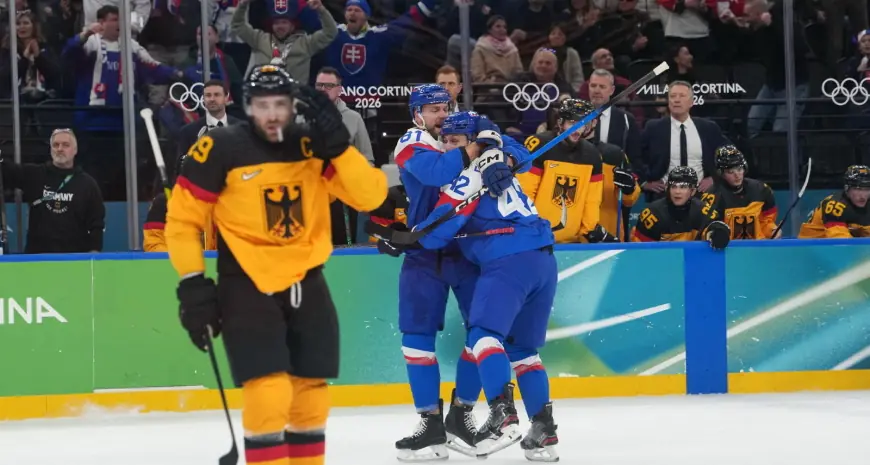
Slovakia’s Olympic hockey run at Milano Cortina 2026 took a major step forward on Wednesday, February 18, 2026 ET, with a quarterfinal victory over Germany that pushed the Slovaks into the semifinals. Forward Pavol Regenda drove the result with two goals and an assist, giving Slovakia both the scoring punch and momentum that tends to separate medal contenders from the rest once the bracket stage begins.
The win matters beyond a single night. Slovakia arrived at these Games carrying the weight of recent Olympic history and fresh expectations created by the return of top players from the world’s best league to the Olympics for the first time in more than a decade. In that environment, every knockout game becomes a referendum on preparation, depth, and whether a team can translate talent into tournament-grade structure.
What happened in the Slovakia Olympic hockey quarterfinal
Germany’s path into the quarterfinals set up a classic matchup: a disciplined opponent against a Slovakia side built to create offense in waves. Slovakia broke the game open with timely finishing and sustained pressure, and Regenda’s three-point performance provided the headline production. Just as important, the Slovaks avoided the trap of letting a quarterfinal turn into a one-bounce coin flip, controlling key stretches and limiting the kind of chaos Germany thrives on.
Advancing to the semifinals shifts the conversation from “nice run” to “real medal chance,” because one more win guarantees Slovakia a shot at gold or silver, and even a semifinal loss often still keeps a medal within reach depending on the format and placement game.
What’s behind the headline: why Slovakia is built for this moment
Slovakia’s men’s program has been climbing for years, but the modern peak came with its Olympic bronze in 2022. That result raised the baseline expectation: not just participation, but contention. Milano Cortina 2026 adds a different pressure point because the player pool is stronger at the top end, and the public can reasonably ask why Slovakia shouldn’t threaten the podium again.
The incentives are aligned for a deep run:
-
Players: This is a rare Olympic window for many prime-age stars. The Olympics are legacy currency, and for smaller hockey nations, a medal can define a generation.
-
Federation and coaches: A semifinal run validates development pipelines and earns leverage for funding, youth participation, and domestic league visibility.
-
Team identity: Slovakia’s roster construction is typically a mix of high-end skill, mobile defense, and goaltending that can steal a game. In knockout hockey, that combination is gold.
Regenda’s impact is also revealing. Contenders usually need more than their biggest names; they need secondary scorers who can turn tight games. A quarterfinal line like two goals and an assist is exactly the kind of “unexpected star” swing that wins tournaments.
Stakeholders and pressure points heading into the semifinals
Now the stakes widen:
-
Opponents will game-plan to deny Slovakia’s controlled entries and force low-percentage shots, betting that frustration leads to penalties or risky pinches.
-
Slovakia’s defense group faces the hardest assignment: breaking pressure cleanly without gifting transition chances.
-
Goaltending and special teams become the quiet deciders. At this stage, even a strong team can get undone by one leaky goal or a stagnant power play.
There’s also reputational pressure. When a team has already proven it can medal at the Olympics, reaching the semifinals creates an implicit promise to finish the job.
What we still don’t know
Even with the quarterfinal win, several pieces remain unclear and will shape the semifinal outlook:
-
Lineup health: Late-tournament bumps and bruises often determine ice time more than tactics. Any limitation to a top forward or top-pair defender can change matchups dramatically.
-
Sustainability of scoring: Regenda delivered in the quarterfinal, but Slovakia will need continued multi-line offense to survive another elite opponent.
-
Discipline under pressure: Semifinals tighten, refs call the game differently from shift to shift, and emotional swings are bigger. How Slovakia responds after a bad bounce will matter.
What happens next: realistic scenarios and triggers
-
Slovakia wins the semifinal if it scores first and forces the opponent to open up, creating counterattack lanes for skilled finishers.
-
Slovakia loses a tight one if the game stays 0–0 or 1–1 deep into the third period and a single special-teams moment flips it.
-
Overtime coin-flip if both teams clamp down through the neutral zone; in that case, faceoff execution and net-front rebounds become decisive.
-
Goalie-driven upset either way if one goaltender gets hot and the other allows an early soft goal that changes the entire risk profile.
Why it matters
For Slovakia, this is bigger than one Olympic cycle. A medal-round run strengthens the sport’s pull at home, keeps young players in the pipeline, and reinforces the idea that Slovakia can routinely compete with the traditional giants when its best players are available. The quarterfinal win over Germany, powered by Regenda’s breakout performance, is the kind of moment that turns a tournament into a story — and now Slovakia is two games away from writing the ending it wants.