


















Vinicius allegation against prestianni halts Lisbon tie, raises fresh racism debate

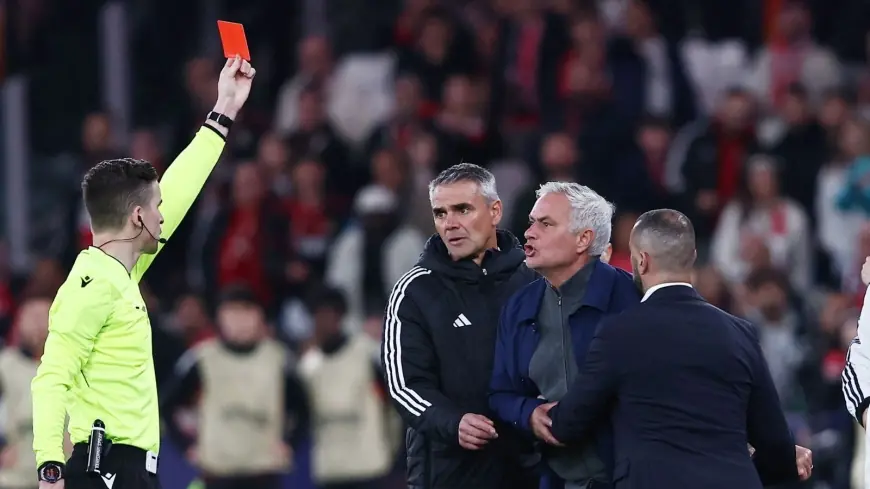
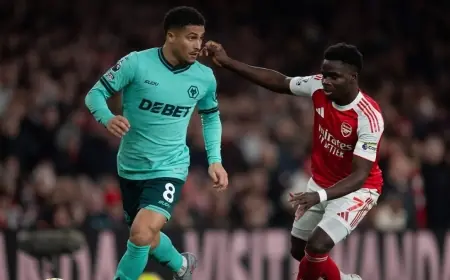
Real Madrid forward Vinicius Jr walked off the pitch during a Champions League tie in Lisbon on Tuesday (ET) after alleging racist abuse by Benfica’s Gianluca Prestianni, forcing a 10-minute stoppage and reigniting a long-running debate about discrimination in football.
What unfolded at the Estadio da Luz
The match was interrupted in the second half when the 25-year-old forward signalled to the referee and left the field with teammates following an exchange with Benfica winger Gianluca Prestianni. The game had already seen Vinicius produce a spectacular goal that should have dominated headlines; instead the focus shifted to claims of racial abuse. The stoppage lasted around 10 minutes while officials dealt with the incident.
Vinicius, who has spoken publicly about repeated incidents over his eight years at Real Madrid, described the episode as another episode in a pattern of mistreatment that he has endured on multiple occasions. This marks the 20th incident he has cited since joining the club.
Prestianni has denied using racist language and says he was misunderstood. Club officials have defended him and argue that distance and noise in the stadium make it difficult to establish what was said. UEFA has opened an investigation and the player could face a minimum 10-match ban in European competition if found guilty of racist abuse.
Reactions, responsibility and what comes next
Reactions were swift and polarised. Several of Vinicius’s teammates expressed support, with one teammate saying he had heard a racist term used multiple times. Former players and public figures also condemned what happened and criticised comments from Benfica’s manager, who suggested Vinicius’s celebration after his goal had provoked the reaction.
Those words drew particular ire. Critics argued that centring the discussion on a player’s on-field celebration deflects from the central issue: whether racist language was used and how authorities and clubs respond when allegations surface. A former international defender went further, saying the manager had “failed” in his duty to lead responsibly, and urged clearer leadership against discrimination at the highest level of the game.
One pundit who was covering the match apologised for initial remarks that downplayed the seriousness of the situation, calling his own comments clumsy and saying he had learned from the episode. Meanwhile, calls have grown for the governing body’s investigation to be rigorous and for any disciplinary action to be beyond reproach.
Broader implications for football’s anti-racism fight
For Vinicius, the incident is part of a pattern that has made him a global symbol in the fight against racism in sport. Critics say the repeated nature of these episodes exposes persistent cultural and institutional failures: from crowd behaviour and club responses to the consistency of sanctions and the quality of investigations.
Supporters of a tougher line argue that the game needs both preventative measures and unambiguous sanctions that deter future incidents. Others warn that due process for the accused is essential and that investigations must be watertight before imposing the sport’s most serious penalties.
Whatever the outcome of the inquiry, the episode has intensified pressure on football’s authorities, clubs and managers to show leadership. The intersection of a moment of brilliance on the pitch and an allegation of abuse off it underlines how sport continues to struggle with problems that linger far beyond 90 minutes of play. The next steps—clarity from the investigation and a coherent response from those in charge—will be watched closely in the coming days.