





















tahoe avalanche in Castle Peak kills at least eight, deadliest U.S. slide in decades

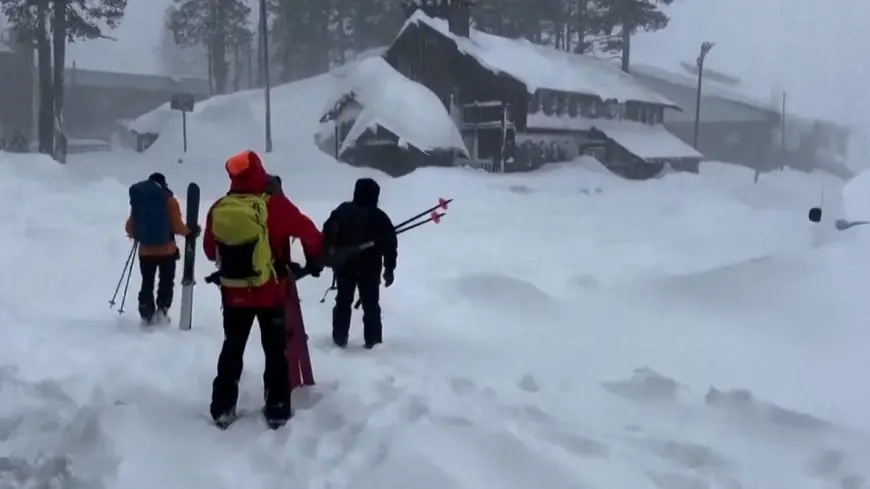
An avalanche that struck the Castle Peak area northwest of Lake Tahoe on Feb. 17 left at least eight people dead and marked the deadliest avalanche-related incident in the United States in nearly 45 years. The slide involved a single backcountry party and unfolded amid heavy snow and blizzard conditions that hampered rescue operations.
Rescue timeline and immediate aftermath
Search-and-rescue teams responded after a mountain guide service alerted authorities to the slide about 2: 30 p. m. ET on Feb. 17. Emergency crews reached six surviving skiers and moved them to safety; two of those survivors were transported to hospital for treatment. Local officials confirmed at least eight fatalities, and one person remained missing and was presumed dead as of Feb. 18.
The group caught in the slide numbered 15 and included clients and guides returning to the trailhead at the conclusion of a three-day backcountry trip. Members of the party had been staying at Frog Lake Backcountry Huts earlier in the week. Rescuers relied on satellite messaging to maintain contact with survivors while working cautiously around ongoing avalanche risk.
Weather and terrain complicated efforts. A nearby resort measured roughly 30 inches of new snow in the 24 hours before the slide, and forecasters reported snowfall rates in some parts of the Sierra at 3 to 4 inches per hour. Rescue leaders said teams had to advance slowly to avoid triggering additional slides and that whiteout conditions limited visibility and hampered travel by road and by air.
Backcountry hazards and historical context
Winter backcountry travel carries inherent avalanche risk that can escalate rapidly during heavy storms and high wind events. The Colorado Avalanche Information Center noted this slide ranked among the deadliest in the U. S. in decades. Over the last decade, avalanches in the United States have averaged dozens of fatalities annually, and major multi-fatality incidents have occurred at several well-known alpine locations.
Historically, the most lethal avalanche-related disaster on U. S. soil took place on March 1, 1910, when a massive wall of snow struck trains near Stevens Pass, Washington, killing 96 people. More recent multi-fatal incidents include a June 21, 1981, avalanche on Mount Rainier that claimed 11 lives, as well as fatal slides on Mount Rainier in 2014 and in Colorado in 2013.
Officials emphasized that proper preparation, route selection, real-time avalanche forecasting, and conservative decision-making are critical when traveling in avalanche terrain. Guide services and rescue teams urged backcountry travelers to carry and know how to use transceivers, probes, and shovels, to monitor advisories, and to exercise heightened caution during and immediately after heavy snowfall.
Next steps and investigation
Local authorities continue to investigate the incident and work with search-and-rescue partners to recover the missing person and document the slide path. Officials have said weather may dictate the pace of operations and that safety remains the top priority for responders. The incident is expected to prompt renewed attention to avalanche education and risk management among backcountry groups in the Sierra Nevada.
Community members and outdoor professionals expressed condolences to the families affected and reiterated appeals for awareness and preparedness in high-snow conditions. As mountain conditions remain volatile through the winter storm cycle, officials urge those planning backcountry travel to reassess trips and to heed avalanche warnings before heading into the mountains.