



















jon cooper joke underscores Wilson’s protective value as McDavid praises forechecker

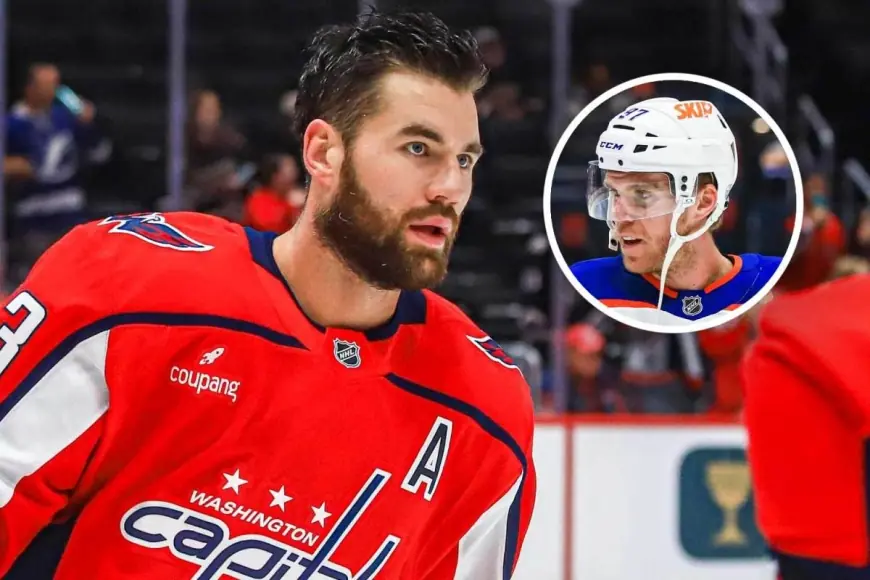
Feb. 18, 2026 ET — Team Canada’s top line has become the talk of the Olympic tournament, and not just for scoring. Tom Wilson’s role alongside Connor McDavid and Macklin Celebrini has prompted effusive praise from McDavid, candid reflection from Wilson and a wry remark from head coach jon cooper that highlights a deeper roster conversation: the value of a physical forechecking presence in front of elite playmakers.
McDavid crowns Wilson a ‘forechecking god, ’ and the ice shows why
McDavid has been dominant at the Games, leading the tournament with nine points through three games, and his assessment of Wilson was simple and emphatic: “Willie’s just a forechecking god. So hard on guys. Created so much space out there. ” That space is tangible — Wilson’s relentless pressure and willingness to engage defenders has repeatedly opened lanes for McDavid and 19-year-old Macklin Celebrini, who has also been a spark with six points.
Wilson himself has embraced the role and the learning opportunity. Playing on a line with two of the sport’s most dangerous offensive players has been a career highlight for him. He emphasized that his game won’t change — he’ll continue to rely on work ethic, speed and physicality, and trust that elite teammates will capitalize on opportunities. The numbers back up the chemistry: Wilson is a point-per-game player at the tournament with three points in three games and scored his first Olympic goal while McDavid and Celebrini have been piling up assists and goals.
On the ice, McDavid’s endorsement is more than locker-room praise. It’s a template for how a top scorer can thrive when freed from sticky coverage and harassment by a teammate who can tilt physical battles and push play deep into the offensive zone.
jon cooper’s joke highlights an NHL roster question
The head coach’s offhand joke about the protection benefit Wilson provides underscored a broader strategic point: teams with superstars need more than finesse scorers; they benefit from complementary, physical wingers who can harass defenders, win puck battles and create breathing room.
That observation immediately drew parallels to past NHL line constructions. McDavid’s comments and Wilson’s Olympic deployment rekindle the argument that a consistent forechecking machine can elevate a superstar’s effectiveness night after night. For some clubs, the dilemma is whether the personnel and cap flexibility exist to acquire or develop that profile of player. For others, the choice is whether to prioritize scoring depth or reclamation of a physical identity that can shield top scorers.
Wilson’s own NHL resume lends weight to the conversation. He leads his club in goals and points this season and brings a blend of offense and physicality that often forces opponents to account for him. Watching him toggle between finishing plays and initiating contact at international pace has offered a clear blueprint of how such a player can alter matchups and create opportunities for linemates.
Implications beyond the Olympics
The on-ice outcomes at the Olympics could ripple back to the NHL trade market and roster strategies. Teams chasing elite scorers might reassess the premium on players who bring gritty forechecking and physical enforcement alongside scoring touch. For McDavid and his team, the experiment has been a reminder: when the space is there, elite talent turns it into goals and chances. For Wilson, the tournament is both a showcase and a study — a chance to play his game against the world’s best and to absorb habits from perennial top performers.
Whether the conversation moves from anecdote to action will depend on how teams evaluate long-term fit, salary-cap realities and the available trade chips. For now, the Olympics have provided a live case study in the value of complementing generational offensive talent with a relentless forechecker — and a lighthearted coach’s quip has only amplified the debate.