

























How the irs shutdown risk could affect your tax refund and how to avoid delays

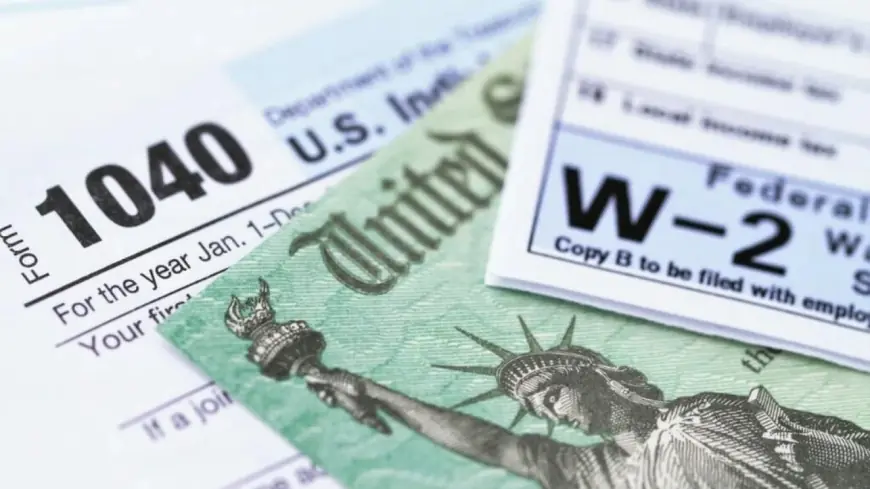
As taxpayers prepare for the 2026 filing season, a partial federal government shutdown raises fresh concerns about refund timing. Automated systems for federal tax processing remain active, but staffing limits and manual reviews could slow refunds for certain filers. Here’s what to expect and practical steps to reduce the chance of a hold.
How a shutdown can change refund timelines
Electronic returns that are clean—filed electronically, set for direct deposit and free of errors—generally move through electronic processing within the typical three-week window. Automated systems are still in operation during a partial shutdown, so many refunds should continue on schedule.
Delays are most likely when a return requires human intervention. If staffing is reduced in any affected federal agencies, returns pulled for manual review can sit longer than usual. That means even filers who normally receive refunds within about 21 days may face added wait time if their return is flagged.
Federal tax filing deadlines remain in effect. Individual returns for the 2025 tax year must generally be filed by April 15, 2026 (ET) unless an extension applies. Plan ahead for that date, especially if you depend on your refund for near-term expenses.
Which refunds are most at risk of delay
Certain refundable credits and specific forms routinely trigger additional verification steps that cannot be completed entirely by automation. Those returns are the most vulnerable to slowdowns during periods of limited staffing.
- Earned Income Tax Credit (EITC) and Additional Child Tax Credit (ACTC): Federal law requires extra verification for refunds that include these refundable credits. That process can create a legally mandated hold through mid‑February, and reduced staffing can extend the verification timeline.
- Injured Spouse Allocation (Form 8379): Joint filers who use this form to reclaim their portion of a refund seized for a spouse’s past-due debt may experience a delayed refund while the allocation is reviewed.
- Other identity and income mismatches: Any return flagged for identity verification, mismatched Social Security numbers, or inconsistent wage reporting can be pulled for manual review and face delays.
How to avoid delays and track your refund
Take steps now to reduce the odds that your return will be delayed and to monitor progress if a hold occurs:
- File electronically and choose direct deposit. Those filing methods are the fastest route through automated processing.
- Double-check identification data and Social Security numbers before filing. Simple errors are a common reason for manual reviews.
- If you expect to claim refundable credits like the EITC or ACTC, be prepared for longer verification timelines and plan cash flow accordingly.
- Use the IRS refund-tracking tool to get daily status updates. The tool typically reflects changes within 24 hours of electronic acceptance. If there’s no movement after 21 days, check the tracker first before initiating other steps. If the status shows no progress after four to five weeks, contact the IRS directly to inquire about your return.
- Remember that a partial federal shutdown does not affect state tax agencies in the same way. State refunds and processing timelines are handled separately; check your state tax portal for status updates if you filed a state return.
For many households a refund is a critical financial resource. Planning ahead, filing accurately and monitoring the refund tracker can reduce surprises during a shutdown-driven staffing crunch. If you rely on a refund for bills or yearly expenses, build in contingency plans in case verification processes take longer than usual.