






















Mardi Gras crowds pack St. Charles for fat tuesday finale

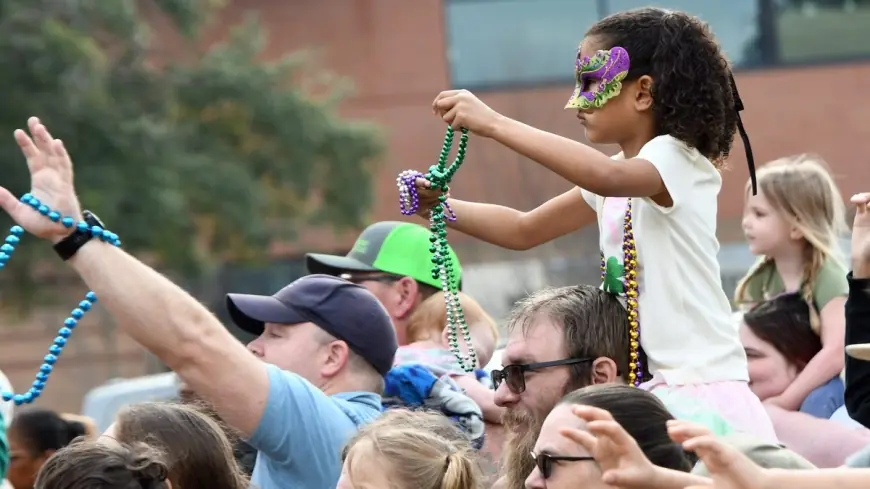
NEW ORLEANS — Parade-goers filled St. Charles Avenue on Tuesday morning (ET) for Fat Tuesday, the exuberant climax of Carnival that offers one last day of indulgence before the start of Lent. From wrought-iron balconies to the French Quarter, the city pulsed with music, costumes and the familiar cry, “Throw me something, Mister. ”
Street scenes and costumes
The revelry began at first light, with crowds staking out spots with folding chairs, coolers, grills and ladders for a better view. Marching bands, enormous floats and parade riders in green, gold and purple made their way along the historic avenue as thousands danced, cheered and raised arms for the signature throws. Some attendees favored sequins and store-bought finery; others showcased imaginative homemade outfits — a reminder that personal creativity is as much a part of the holiday as the floats themselves.
Elaborate ensembles were on full display, from floor-length capes and feathered headdresses to the beaded and bejeweled suits known locally as Black masking Indian regalia. One longtime reveler, Sue Mennino, wore an Egyptian-inspired white costume with a gold headpiece and glittered makeup. “The world will be here tomorrow, but today is a day off and a time to party, ” she said, describing why she returns year after year to celebrate in the city.
The day was not without incident; video captured the arrest of a high-profile actor during the festivities, underscoring that even amidst merriment law enforcement remained active.
Throws, traditions and statewide celebrations
Each krewe brings its own repertoire of throws: plastic beads, candy, doubloons, stuffed animals, themed cups and an array of trinkets that fans eagerly pursue. Zulu’s hand-decorated coconuts remain among the most prized keepsakes; when one parade-goer in a crawfish costume secured a coconut he waved it triumphantly, the gold glitter on the husk catching the sun.
Beyond the big-city parades, Carnival traditions ripple across Louisiana. Rural communities observe the Courir de Mardi Gras, a centuries-old Cajun run in which costumed participants travel house to house, sometimes chasing live chickens and collecting ingredients for a communal gumbo. Smaller Gulf Coast cities also host parades and parties, and the festive calendar includes quirky international ties — such as an annual Pancake Day contest that pits towns in the United States against counterparts in England, a tradition that nods to older customs for using up rich ingredients before Lent.
One last hurrah before Lent
Fat Tuesday marks the final day of Carnival and the immediate precursor to Ash Wednesday, when many Christians begin the 40-day Lenten season of fasting and reflection. For residents and visitors alike, the day is framed as a deliberate pause for indulgence: a last chance to eat, drink and celebrate in public spectacle before the quieter weeks ahead.
For many who live in or return regularly to the city, the appeal is as much communal as it is sensory. The music, choreography of the parades, and the exchange of throws create a shared ritual that draws multi-generational crowds. As floats rolled past and beads flew through the air, the feeling on the avenue was less like the end of something and more like a long-standing custom being renewed: a communal gesture to revel before turning attention to the season of restraint.
When the final floats left the avenue and the music faded, streets littered with beads and confetti bore witness to another chapter of Carnival — one that stitched together spectacle, tradition and the unmistakable energy that defines Mardi Gras in New Orleans.