


















look mum no computer eurovision song choice signals UK's experimental turn for Vienna

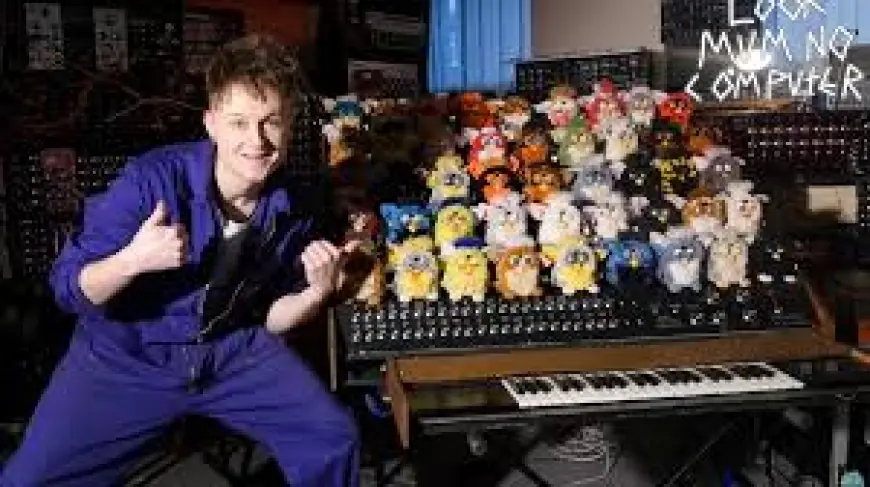
The UK has picked electronic artist and tech creator Look Mum No Computer to represent the country at the Eurovision Song Contest in Vienna in May 2026. The selection casts a spotlight on a performer best known for homemade synthesizers, unusual instruments and a sizable online following, and marks a distinctly experimental approach to the contest.
From DIY synths to the Eurovision stage
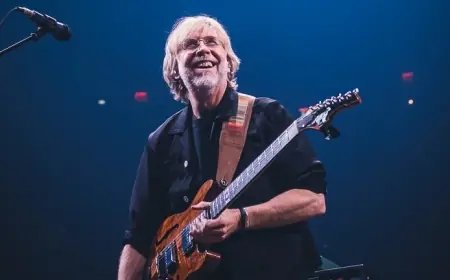
Look Mum No Computer is the stage name of Sam Battle, an inventor-musician who built a public profile by documenting hands-on instrument-making and experimental performances online. He holds a Guinness World Record for building the world's largest drone synthesizer and runs a museum in Ramsgate dedicated to obsolete musical and scientific technology. His toolkit includes organs made from Furby toys, hacked Game Boys programmed as church organs, synthesiser bicycles and flame-throwing keyboards — props that have become central to his live shows and videos.
Battle first emerged on the broader music scene in 2014 as frontman of an indie band, and went solo under his current moniker while documenting his creative process. He has said the Eurovision invitation is "completely bonkers" and called the opportunity an honour he is taking seriously. His entry song has not yet been released publicly, though a national radio figure has indicated they have heard it.
Why this selection matters
The pick is striking for two reasons. First, it signals a willingness to lean into risk and novelty rather than reverting to safe, mainstream pop templates. In recent years the UK has tried multiple strategies with limited returns, and this move reads as an embrace of a distinctive artistic identity — one built on invention as much as on songwriting.
Second, the choice arrives against an uneasy backdrop for the contest. The event this year faces boycotts from several countries over complex geopolitical issues, and television audiences across the continent have declined in recent cycles. That has created an environment in which unconventional entries can generate attention precisely because conventional approaches no longer guarantee impact.
What to expect in Vienna and the road ahead
Expect a performance centred on bespoke sonic rigging and theatricality. Battle has already promised to bring "every ounce" of his creativity to the stage and hinted at heavy use of live electronics and custom-built machines. His museum and past projects show a performer who merges showmanship with gadget-driven spectacle, which could translate into a memorable live presentation — for better or worse, depending on viewers' tastes.
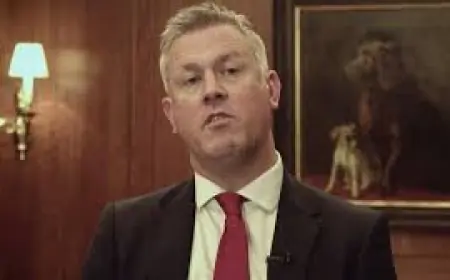
Logistics and staging will be crucial. Eurovision's rules and live broadcast environment mean that many of his more flamboyant inventions will need adaptation for a tight, televised slot. The internal selection process that chose him relied on industry expertise, and an entertainment executive involved in the decision described his work as embodying creativity, ambition and a distinctly British wit, predicting an unforgettable presence on the international stage.
Fans and detractors alike will be watching how the package — song, staging and performance — lands in May. With a built-in audience from his content channels and a reputation for making oddball instruments sing, Look Mum No Computer offers a clear alternative to formulaic entries and a test of whether bold creative risk can translate into points on Eurovision night.
For now, the UK waits for the song reveal and a rehearsal run-through that will give a first glimpse of how homebuilt electronics and Eurovision spectacle will be married for Vienna 2026.