




















robert duvall: From Godfather to unlikely Scottish football cult hero

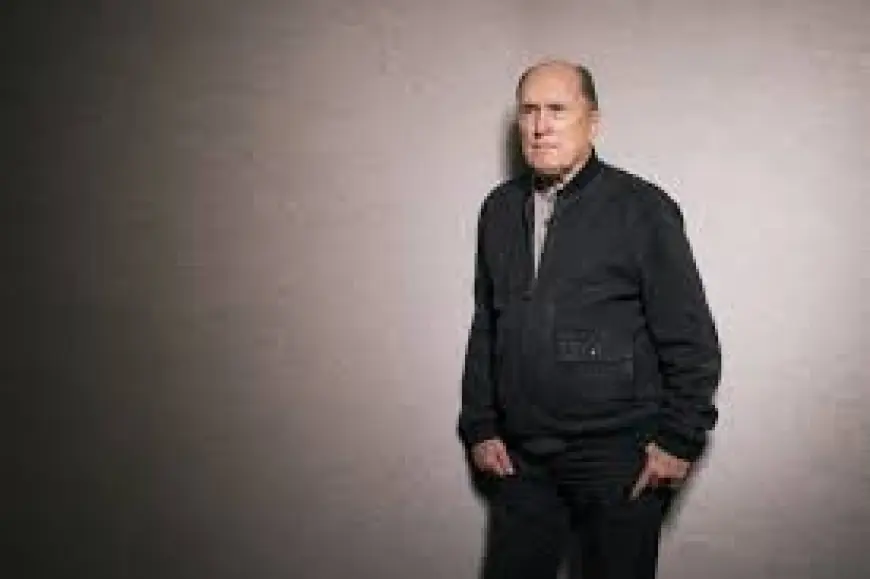
Robert Duvall, the Oscar-winning actor who died on Monday (ET) at the age of 95, is being remembered for a screen career that stretched from The Godfather and Apocalypse Now to quieter, surprising corners of popular culture. Beyond his towering Hollywood performances, Duvall earned an affectionate place in Scottish football lore after immersing himself in the game while making the 2000 drama A Shot at Glory.
Immersion in Scotland’s football landscape
Long before streaming algorithms made every production a global event, Duvall spent months on the ground in Scotland preparing to play Gordon McLeod, a beleaguered manager trying to lift small‑town Kilnockie FC to cup glory. He filmed at a string of real grounds — from Boghead Park to Rugby Park and Palmerston Park — and spent time in crowds at local matches as part of his research. That hands‑on approach, familiar from his best roles, made him a recognizable and warmly received figure among fans and players.
The film paired Duvall with Ally McCoist, who plays volatile striker Jackie McQuillan, and mixed Hollywood names with Scottish football professionals. On set, Duvall was reported to relish the camaraderie; he played tennis with cast members during breaks, joined dinners, and stayed in contact with colleagues off set. He even revealed years later that he had named a dog after a celebrated Scottish player, a small personal detail that amplified his local goodwill.
Quiet mentorship and off‑screen friendships
Duvall’s influence extended beyond the pitch and the camera. Young filmmakers and actors frequently recall his mentorship and the insistence he placed on truthfulness in performance. One director remembered being invited to dinner on set early in his career and receiving a few simple words that became pivotal: a reminder to trust restraint and stillness. That encouragement led the director to write and later make an acclaimed film, with Duvall supporting the project.
Colleagues describe Duvall as protective of the work and direct in his expectations, yet generous with time and attention where he saw potential. Those personal encounters — an offer of dinner after a long day in the mud, a brief but decisive compliment on a scene — proved formative for some who would go on to greater success in film. It was a pattern repeated across decades: Duvall could be exacting in rehearsal and unsparing of pretense, but he could also open doors and back new voices when he believed in them.
Legacy: big screen icons and small‑town memories
The news of Duvall’s death has prompted tributes from peers and proteges alike, highlighting a career that encompassed both landmark Hollywood films and unexpected cultural touchstones. For Scottish football fans who remember the making of A Shot at Glory, he was more than a visiting star: he was a figure who engaged sincerely with the local game, shared meals and jokes with cast and extras, and left behind anecdotes that endure in clubhouses and fan forums.
For the film community, his legacy is equally varied. His major roles remain benchmarks of screen acting; his work behind the camera as a writer and producer showed a willingness to shape material that mattered to him. And for a handful of younger creatives, his encouragement changed the course of careers.
Robert Duvall’s life in the public eye was notable for its breadth — from the moral complexities of mob drama to the muddy pitches of a Scottish football town — and for the human connections he forged along the way. Those small gestures and on‑set friendships are now part of the record he leaves behind: an artist of rare achievement who cared deeply about craft and about the people who shared his work.