

























lent 2026: Lunar New Year, Mardi Gras and a Solar Eclipse Fall on the Same Day

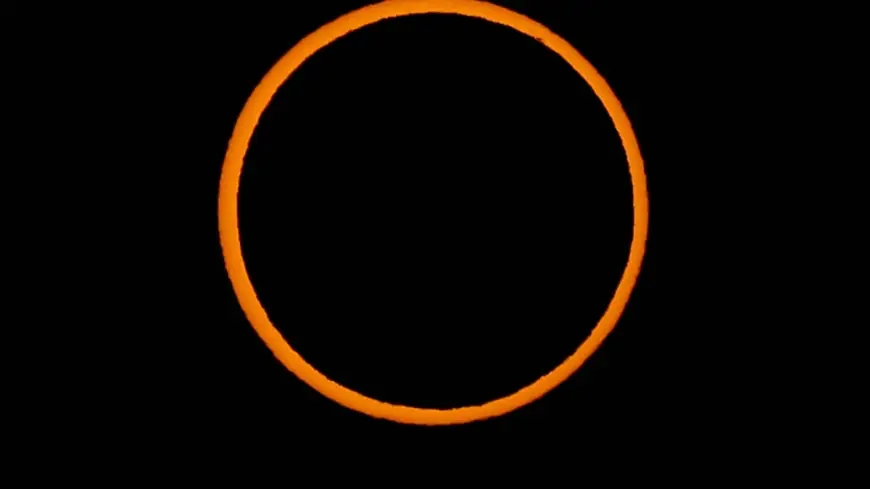
In an unusually packed stretch on the calendar, multiple major observances and an astronomical event converged in mid-February 2026. The new lunar year, Carnival's climax and an annular solar eclipse all fell on Feb. 17, 2026 (ET), with Ash Wednesday and the start of lent 2026 following on Feb. 18.
One day, many events: what happened Feb. 17
Tuesday, Feb. 17 brought an uncommon overlap. The lunar calendar placed the new moon that begins the Lunar New Year on that date, ushering in the Year of the Horse and launching a 15-day festival that runs through the Lantern Festival. At the same time, traditional Carnival seasons came to their conclusion with Mardi Gras (Fat Tuesday), a day of parades, music and community feasts in many cities.
On the same day the sky put on a show: an annular solar eclipse — the kind that can produce a visible “ring of fire” when the moon covers the sun’s center but leaves a bright ring around the edge. The eclipse reached its conclusion by 9: 37 a. m. ET on Feb. 17. Visibility was highly regional; much of Antarctica saw the most dramatic coverage, while locations such as Madagascar and the southern tips of South America and Africa experienced partial views.
How the week unfolded: Ash Wednesday, lent 2026 and Ramadan timing
The next day, Wednesday, Feb. 18 (ET), marked Ash Wednesday, the liturgical start of lent 2026 for many Christian communities. Lent is observed as a 40-day season of fasting, reflection and preparation leading up to Holy Week; in 2026 the period concludes with Holy Thursday on April 2 and Easter Sunday on April 5 (ET).
Muslim communities worldwide also watch the moon closely this week. The start of Ramadan follows the sighting of the waxing crescent and can vary by a day depending on local observations; many communities expected the holy month to begin either the night of Feb. 17 or on Feb. 18 or Feb. 19 (ET). Ramadan concludes roughly a month later with Eid al-Fitr, which could fall on March 19 or March 20 depending on lunar visibility.
Why these overlaps are rare — and what to expect
These holidays and events come from different calendars and traditions — the lunisolar calendar used for Lunar New Year, the movable date of Mardi Gras tied to the Christian calendar, and the lunar-based Islamic calendar — so simultaneous alignment is uncommon. Lunar New Year and Mardi Gras have coincided in the past but do not often land on the exact same day as Ramadan or an eclipse.
Where the eclipse was visible, observers were reminded to use proper eye protection when viewing any solar event. Communities marking Lunar New Year moved between ritual observances and public festivities: parades, family meals and lanterns extended through late February into early March. Cities known for Carnival traditions held final parades and street celebrations on Feb. 17 before the sober season of lent 2026 began the following day.
For many people the compressed calendar created both logistical challenges and opportunities for shared celebration. Some cities scheduled cultural events across multiple weekends — for example, parades and official Lunar New Year gatherings stretching through the end of February and into early March — so community rituals could be observed without forcing direct clashes between traditions.
Mid-February 2026 offered a striking reminder of how human calendars and celestial mechanics intersect: holidays tied to lunar cycles, seasons of faith, and a rare solar alignment all converged within a short span, producing a week that was exceptional both culturally and astronomically.